
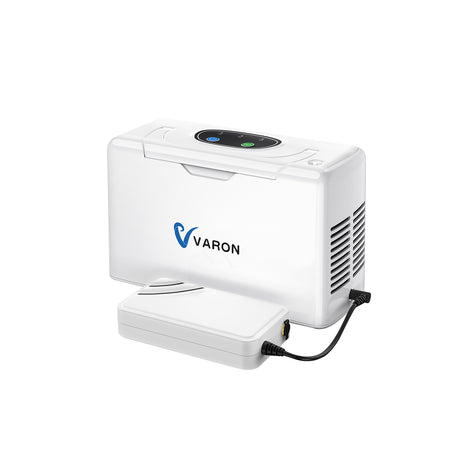
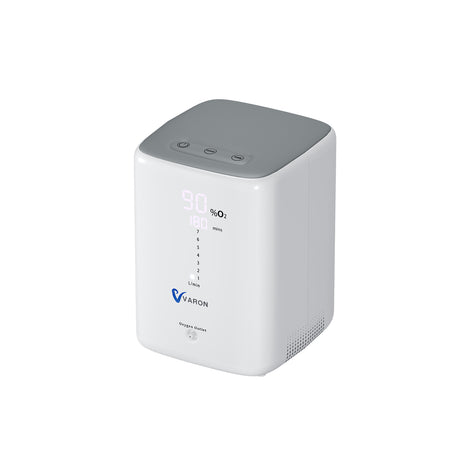
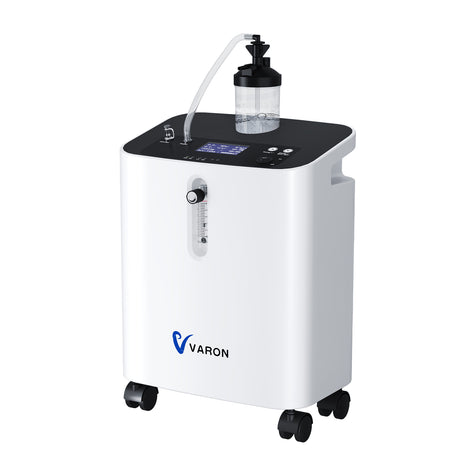
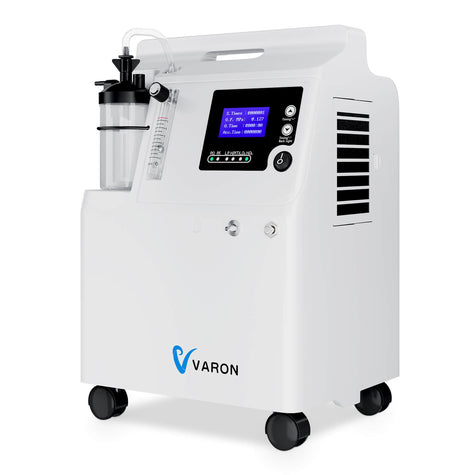

When a senior dog, a cat with asthma, or a pet recovering from surgery starts struggling to catch their breath, it can be terrifying. You want to make them comfortable as quickly as possible without triggering extra panic. That is why so many owners are now turning to home care solutions. Using a pet oxygen concentrator at home gives your companion the extra breathing support they need right from the comfort of their favorite rug or couch, saving them from stress-heavy trips to the emergency clinic.
That said, bringing medical-grade equipment into your home can feel a bit intimidating. Setting up an oxygen concentrator for pets isn't complicated, but it does require attention to detail to make sure your pet stays safe, calm, and well-supported throughout the process.

1. Get Clear Instructions from Your Vet First
Before you unpack any equipment, grab your phone and talk to your vet or veterinary specialist. Supplemental air is actually a prescribed medical treatment, and getting the dosage right matters. Too little won't help them rest, while too much can cause unnecessary complications.
Your veterinarian will give you exact instructions based on your pet’s weight, diagnosis, and stress levels:
-
Target Flow Rate: Measured in liters per minute (L/min).
-
Session Length: How many minutes or hours per session, and how many times a day.
-
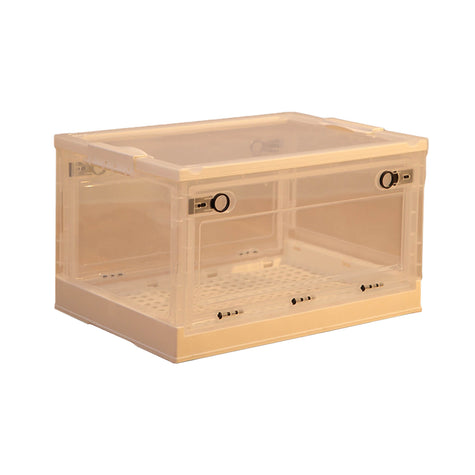
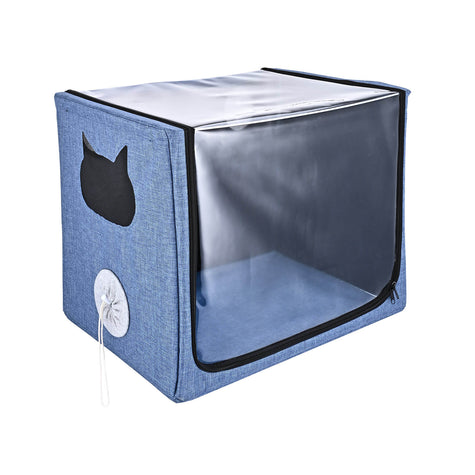
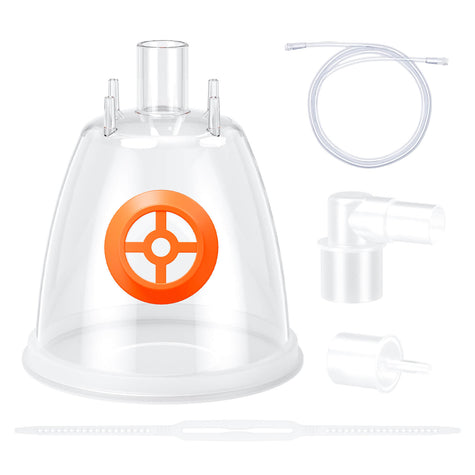
Delivery Method: Advice on whether a simple mask, nasal cannula, or an enclosed oxygen chamber is best for your pet's personality.
Quick Safety Reminder: Home care is meant for manageable, ongoing support and recovery. If your pet shows emergency signs—like blue or pale gums, severe gasping, open-mouthed breathing in cats, or sudden collapse—head straight to an emergency animal hospital rather than setting up your machine at home.

2. Setting Up a Safe, Relaxing Area
Because oxygen feeds combustion, location is the first thing you need to think about when starting oxygen therapy for pets at home. You'll want to pick a spot that's both safe from fire hazards and comfortable for your companion.
Pick an open corner of a room, keeping the machine at least a foot away from walls, couch backs, or heavy curtains so the air intake vents aren't blocked. Keep the unit far away from anything that produces heat or sparks—including gas stoves, space heaters, candles, and direct sunlight. Never smoke in the same room. Finally, pick a quiet area away from noisy kids or busy hallways and lay down their favorite blanket or bed so they feel completely at ease.

3. Step-by-Step Machine Setup
Setting up an oxygen machine for pets is pretty simple once you see how the parts connect:
Wall Outlet ➔ Concentrator Machine ➔ Humidifier Bottle ➔ Tubing ➔ Mask or Chamber
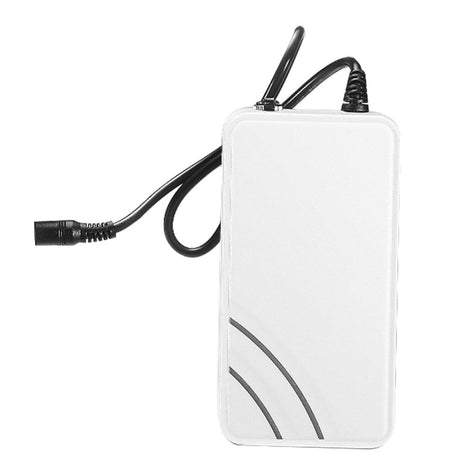
First, plug the machine directly into a grounded wall outlet rather than using a thin extension cord. Flip the switch and let it run for a few minutes so it reaches its full operating concentration.
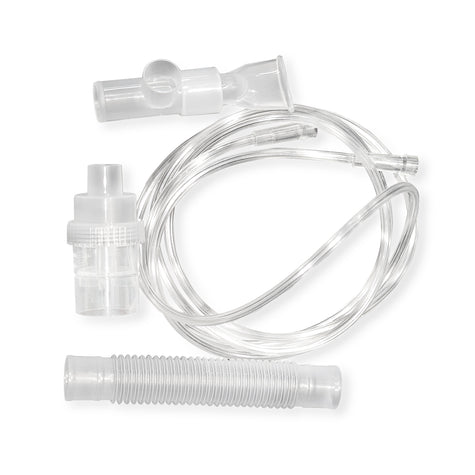
Next, add moisture. Dry gas can irritate your pet’s airway during longer sessions. Fill the humidifier bottle with pure distilled water up to the fill line, screw the cap on tight, and slide it onto the machine’s output port. Then attach your supply tubing securely to the humidifier bottle.
Now you can dial in your machine settings according to your vet's plan:
-
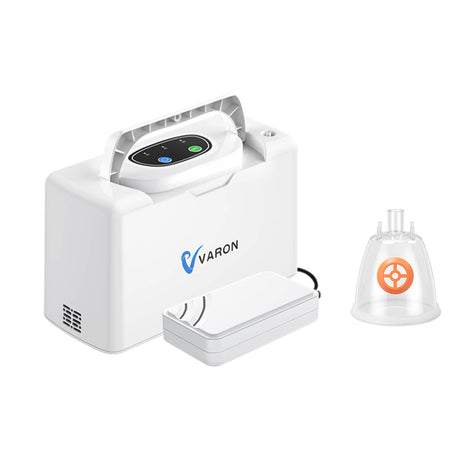
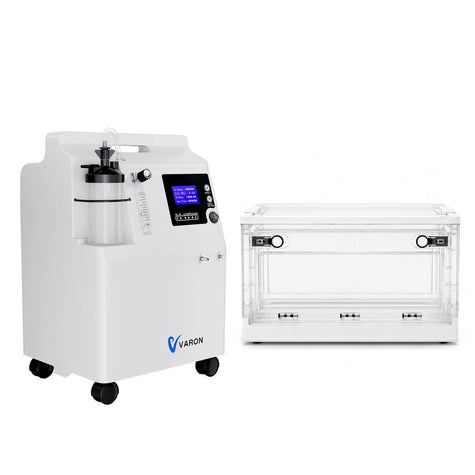
If your pet needs versatile flow choices or combined treatments, a machine like the VH-3 home pet oxygen concentrator works well because it gives you an adjustable 1–7 L/min flow rate along with a built-in nebulizer function.
-
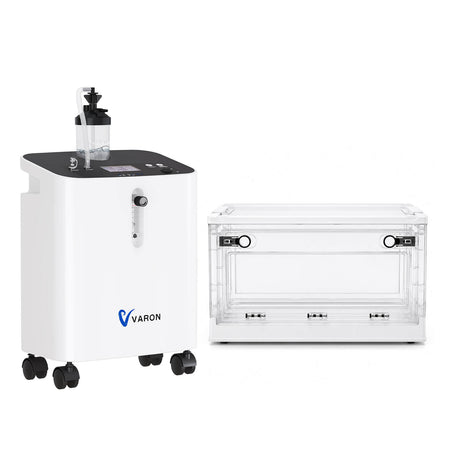
For pets with higher medical needs who require dense, steady concentration, units like the Serene 5 pet oxygen concentrator are built to deliver a consistent 93% (±3%) purity at 0.5–5 L/min for long-term or overnight care.
Turn the flow knob until the marker aligns with the exact L/min your vet recommended.
Grab a pet oxygen concentrator today—use code 41A7WES1JE3A at checkout to save!

4. Masks vs. Oxygen Chambers: Finding What Works
How you get the air to your pet comes down to what they will tolerate.
-
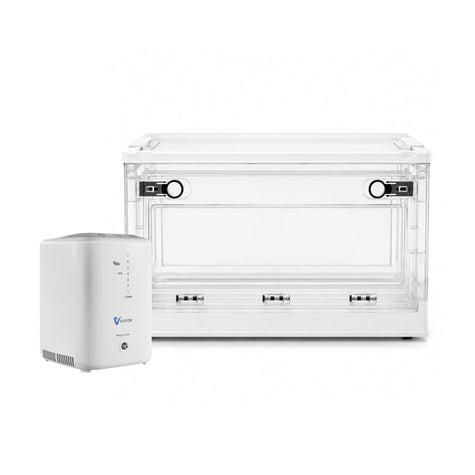
The Oxygen Chamber: This is usually the best choice for cats, small dogs, or naturally anxious pets. Instead of forcing something onto their face, you place them inside a clear, well-ventilated tent or box. You hook the main tube up to the chamber's port, check that the exhaust vents are open so carbon dioxide doesn't build up, and let them rest comfortably inside.
-
Handheld Masks: If you have a relaxed dog or only need to do brief 5-minute sessions, a soft pet mask works great. Hold it gently near their snout—don't jam it tight against their face—so excess gas can easily vent around the sides.

5. What to Watch During a Session
Never leave your dog or cat unattended while the machine is running. Hang out in the room, read a book, and keep an eye on them. You want to look for physical signs that the session is working: their breathing should slow down, their chest movements should smooth out, their gums should look a healthy pink, and their overall posture should relax.
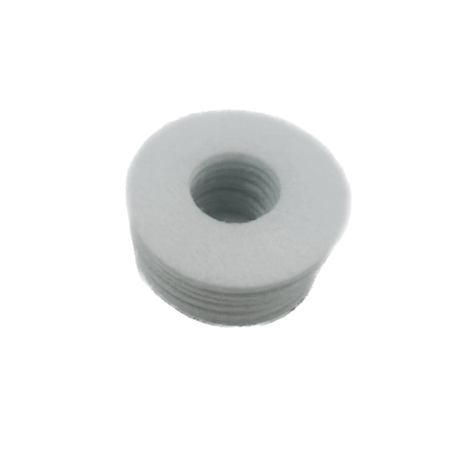
When time is up, turn off the machine, wipe down the mask or chamber with a pet-safe cleaner, and let everything air dry. Make sure to check the intake filters on your unit every few weeks, cleaning or replacing them as instructed in the manual so the airflow stays clean and fresh.
With clear guidance from your vet and a gentle setup routine, a pet oxygen concentrator can take away a lot of respiratory stress and give your furry family member a much higher quality of life right at home. Give your pet easy breathing at home—order a pet oxygen concentrator with code 41A7WES1JE3A today!

Frequently Asked Questions
1. Can I leave my pet unattended while using an oxygen concentrator?
No. Always supervise your pet to ensure tubing stays secure, the chamber remains cool, and your pet stays calm.
2. How do I know if the flow rate is set correctly?
Follow your vet’s exact prescription based on your pet's size and condition. Never adjust the flow rate without consulting them first.
3. Why do I need to use distilled water in the humidifier bottle?
Distilled water prevents mineral buildup in the machine and stops harsh mineral dust from entering your pet's lungs.
4. What is the difference between a high-flow unit and a high-purity unit?
High-flow units offer higher volume output (up to 7 L/min) for larger chambers, while high-purity units deliver a continuous, medical-grade 93% oxygen concentration at standard flow rates.