

When your dog or cat relies on supplemental oxygen for a chronic respiratory condition or post-surgical recovery, power reliability ceases to be a minor convenience—it becomes a critical component of their medical care. A sudden blackout caused by severe weather, grid failure, or local maintenance can immediately halt continuous therapy. Knowing how to manage a pet oxygen concentrator power outage ensures that your companion remains safe, calm, and stable until the electricity returns.
Building a resilient home setup involves understanding your pet's immediate medical needs, preparing physical emergency supplies, and having adaptable equipment ready at a moment’s notice.

Understanding Your Pet’s Emergency Oxygen Needs
Pets receiving oxygen care often suffer from conditions like congestive heart failure, asthma, tracheal collapse, or pneumonia. For these animals, a sudden drop in oxygen concentration leads to rapid distress.
Before an emergency happens, consult your veterinarian to establish clear baselines:
-
Recognizing Stress: Monitor for signs of hypoxia, such as pale or bluish gums, open-mouth breathing, rapid chest movements, or severe restlessness.
-
Flow Guidance: Confirm whether your pet’s target flow rate can be temporarily adjusted during an emergency to extend portable battery life.
-
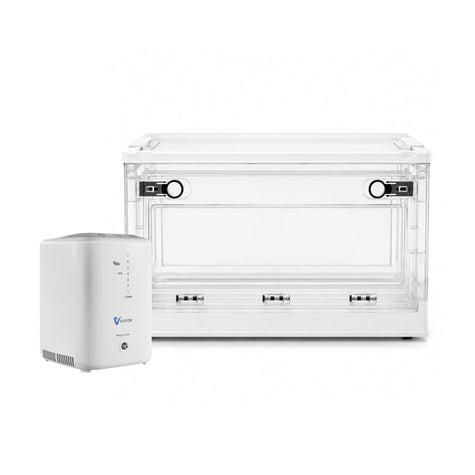
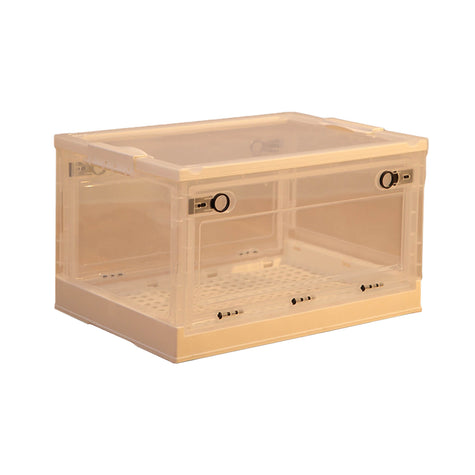
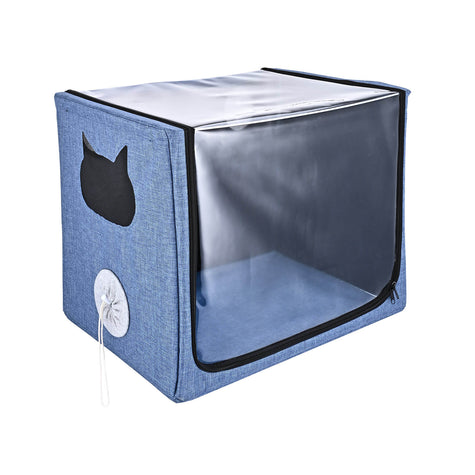
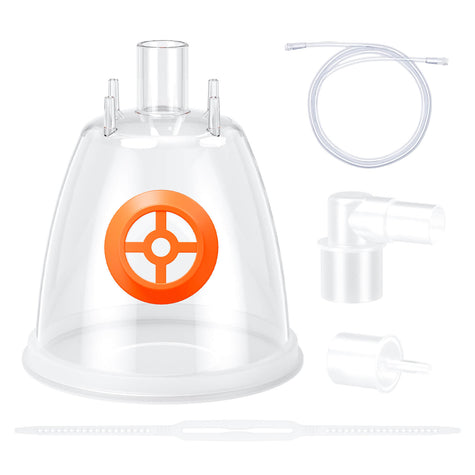
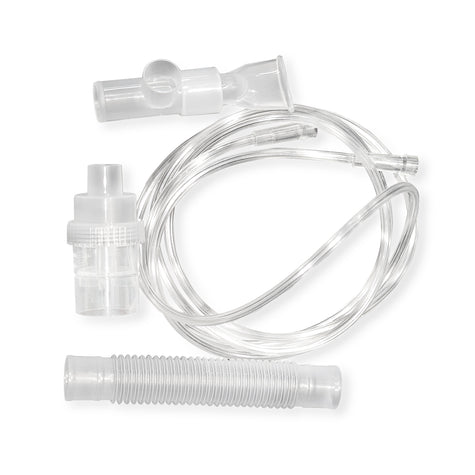
Delivery Method: Keep their preferred delivery tool accessible—whether that is a direct pet oxygen mask for immediate, targeted flow or an enclosed pet oxygen chamber (oxygen tent) that provides a stable, stress-free environment for longer rests.
Step 1: Create a Backup Oxygen Plan for Pets
A reliable backup oxygen plan for pets relies on redundancy. You should never depend on a single source of electricity or a single device when caring for a vulnerable companion.

1. Alternate Electrical Sources for Primary Units
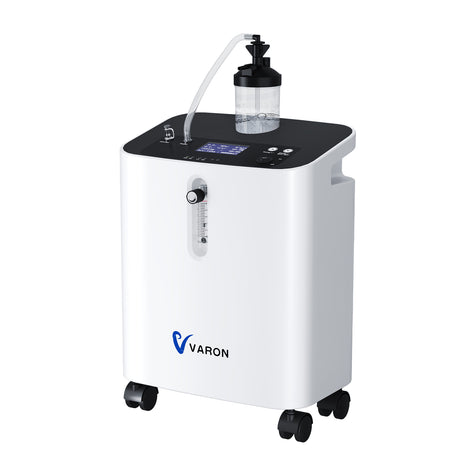
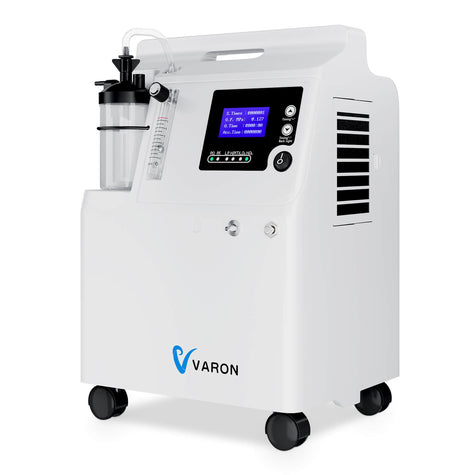
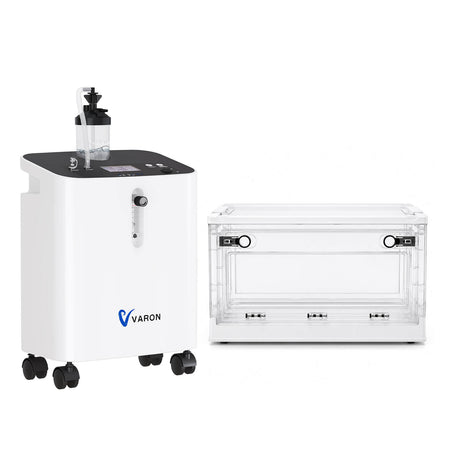
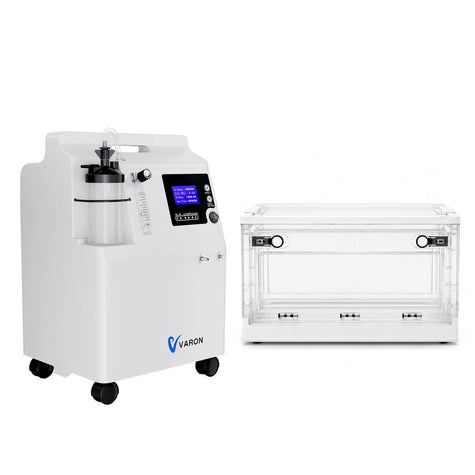
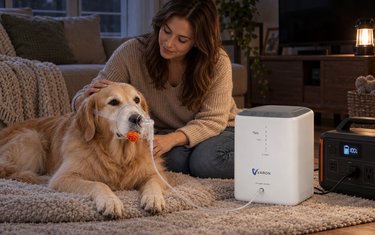
Stationary devices, such as the VH-3 Home Pet Oxygen Concentrator offer powerful, continuous flow options ranging up to 7 L/min. Because these continuous-flow devices rely on AC power:
-
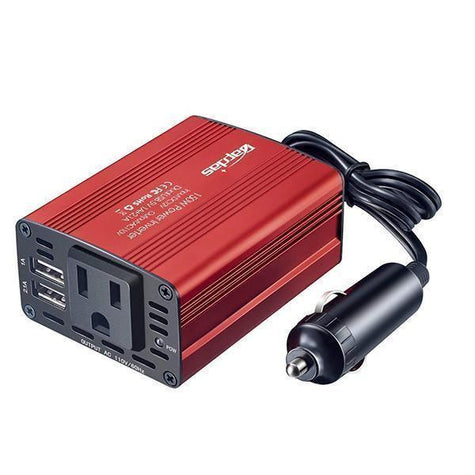
DC/AC Car Inverters: The VARON VH-3 has an input power rating of 120VA. In an outage, you can power the unit using a standard 150W car power inverter plugged into your vehicle's 12V DC outlet. Running a dedicated extension cord from your car to your pet's care area offers a practical way to maintain high-concentration therapy.
-
Uninterruptible Power Supplies (UPS) or Solar Generators: Dedicated home battery stations can seamlessly bridge short electrical gaps without requiring you to move equipment outdoors.
2. Transitioning to Portable Devices
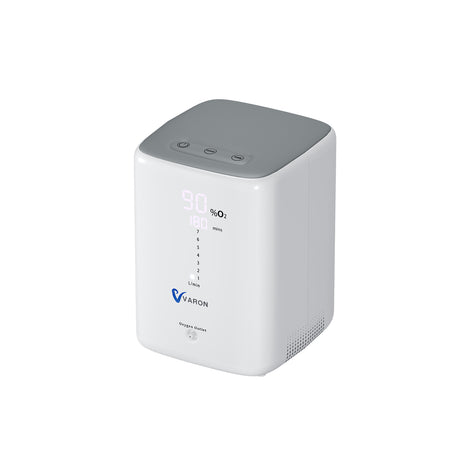
If utility power is off for hours, moving your pet to a compact, battery-driven unit provides immediate freedom and peace of mind. A portable oxygen concentrator for pets acts as your primary defense during transport or sudden evacuations.

Step 2: Essential Equipment for Power Outage Preparedness
Having dedicated, specialized equipment organized in a single location reduces panic when the lights go out.
|
Equipment Type |
Key Features |
Primary Emergency Function |
|
Stationary Concentrator (VARON VH-3) |
1–7 L/min flow, 28%–90% concentration, 42 dB quiet operation, built-in nebulizer |
Main home unit; powerable via 150W car adapter during outages. |
|
Portable Concentrator (VARON VL-2 Mini) |
3.3 lbs, 3 L/min continuous flow, up to 2 hours battery life |
Mobile backup; runs on internal battery, AC, or DC car power. |
|
Delivery Interfaces |
Pet oxygen mask or soft-sided pet oxygen chamber |
Ensures efficient, comfortable delivery without waste. |
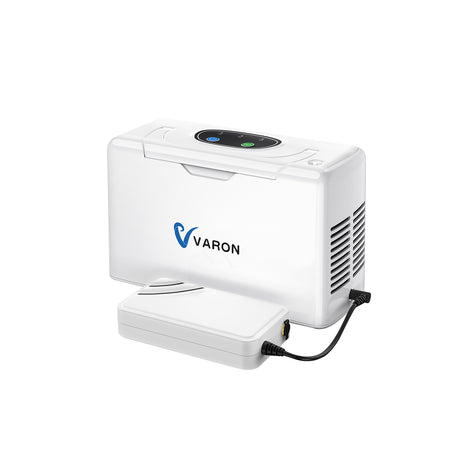
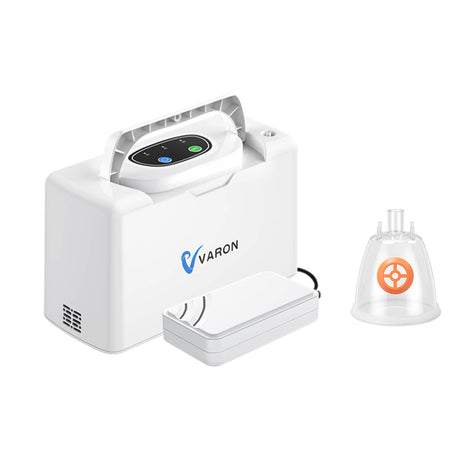
Using a compact unit like the VARON VL-2 Mini Pet Oxygen Concentrator gives you an agile alternative backup plan for power outages. Weighing only 3.3 lbs, the VL-2 delivers a steady 3 L/min continuous flow on its removable battery pack (lasting up to 2 hours) or straight from your car's DC outlet. This allows you to transfer your pet safely to a vet clinic or an alternative shelter without interrupting therapy.

Step 3: Actionable Safety Protocol During a Blackout
When a power failure occurs, follow this calm, structured routine:
-
Assess Immediate Breathing: Check your pet’s posture and gum color immediately. Remain calm, as animals pick up on human anxiety.
-
Switch to Backup Power: If using a primary home pet oxygen concentrator, plug the device into your pre-positioned UPS or switch to a 150W car inverter setup.
-
Deploy Portable Units if Needed: If you must leave the home or if a stationary power setup takes time, start your portable oxygen kit for pets. Connect the oxygen chamber for pets or secure a soft mask gently near their snout.
-
Monitor Temperature: Oxygen chambers can trap heat. Ensure the room or chamber stays well-ventilated and cool, especially during summer storms when air conditioning is also offline.
-
Contact Your Vet: Inform your clinic that your home lost power and that your pet is currently running on backup equipment.

Final Thoughts on Emergency Preparedness
Navigating a pet oxygen concentrator power outage requires foresight, but preparing early removes the guesswork during a crisis. By combining a flexible home system like the quiet, dual-function VARON VH-3 with a light, battery-powered backup like the VL-2 Mini, you create a robust safety net for your companion. Always test your backup equipment quarterly, keep batteries charged, and work closely with your veterinarian to keep your emergency plan updated. Get your pet oxygen concentrator using code 41A7WES1JE3A today to keep your furry family member fully protected.