
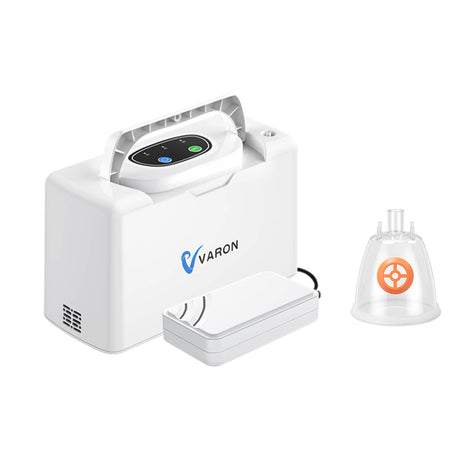
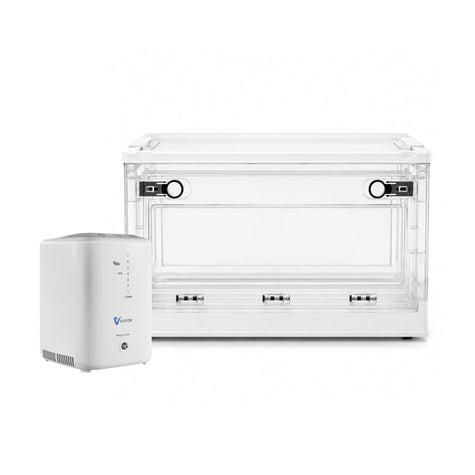
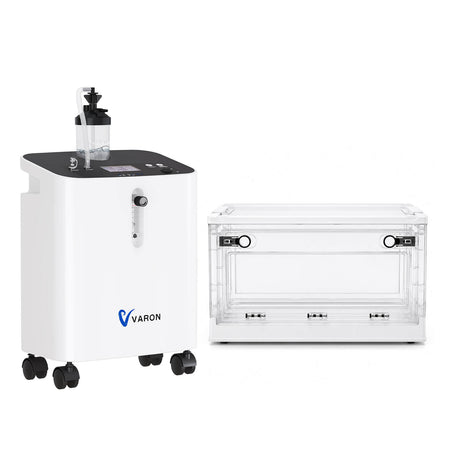
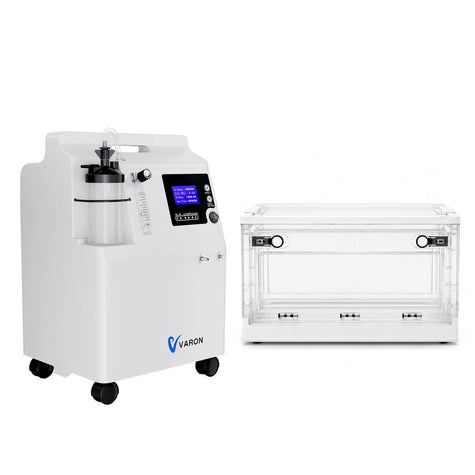
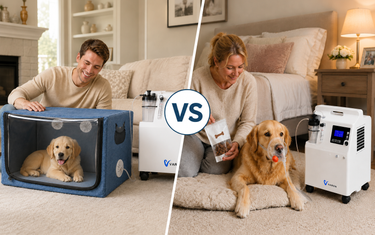
When setting up home care, comparing a pet oxygen mask vs. oxygen chamber is one of the most common decisions for pet parents. While neither accessory produces oxygen on its own, both connect to an oxygen source to help guide enriched air to your pet.
Understanding how each option works, how your pet handles restraint, and what equipment is required will help you choose the best fit for your pets' oxygen care at home.
Pet Oxygen Mask vs. Oxygen Chamber: What’s the Difference?
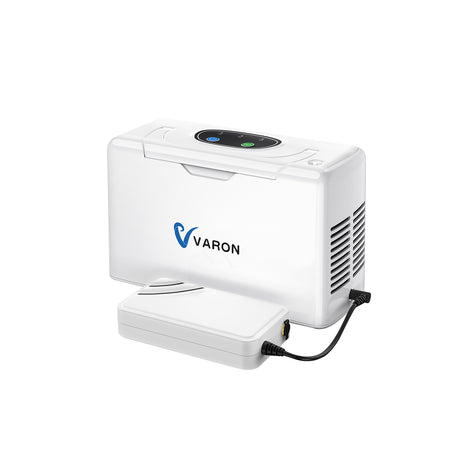
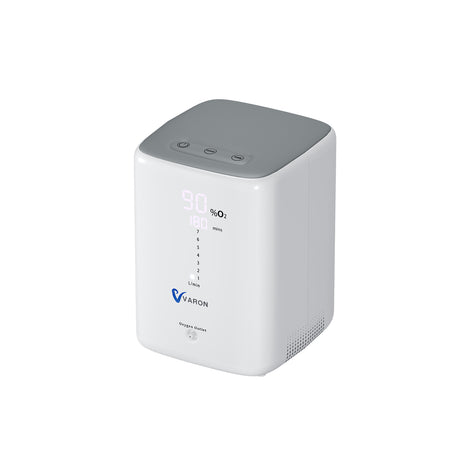
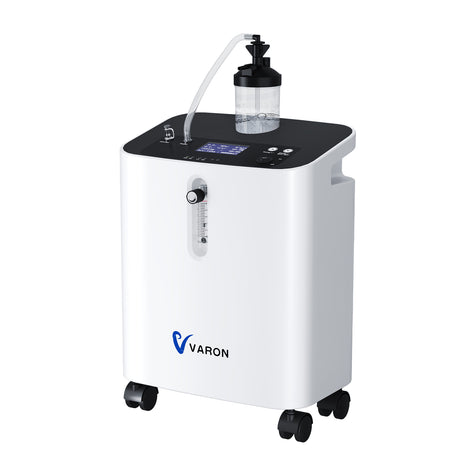
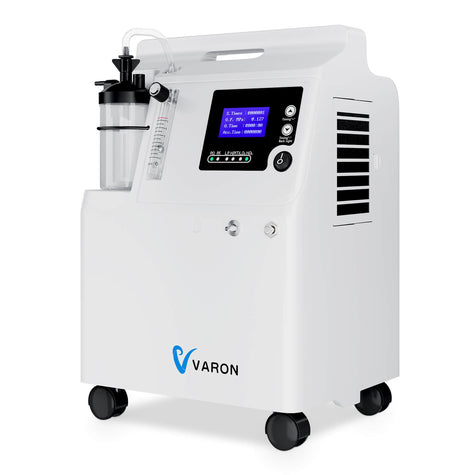
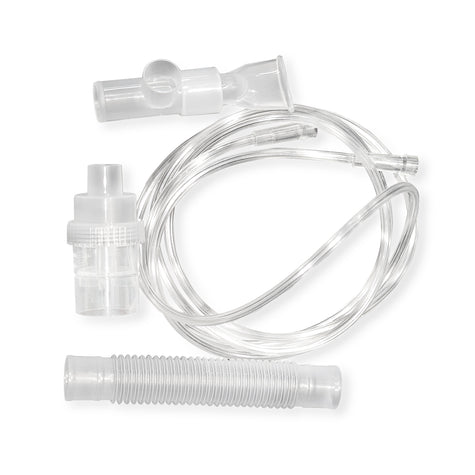
Neither a mask nor a chamber generates oxygen on its own. Both are oxygen delivery options designed to work with a pet oxygen concentrator through flexible oxygen tubing.
While they share the same function of delivering enriched air, they differ significantly in design and user experience:
-
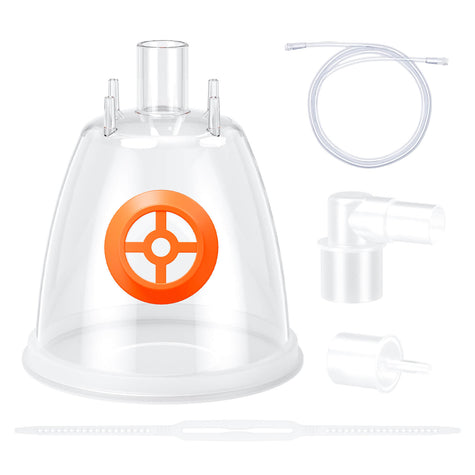
Direct Airflow vs. Enclosed Air Space: A pet oxygen mask directs enriched air right to your pet's muzzle. Its effectiveness depends largely on whether your pet can comfortably tolerate something resting over their face.
-
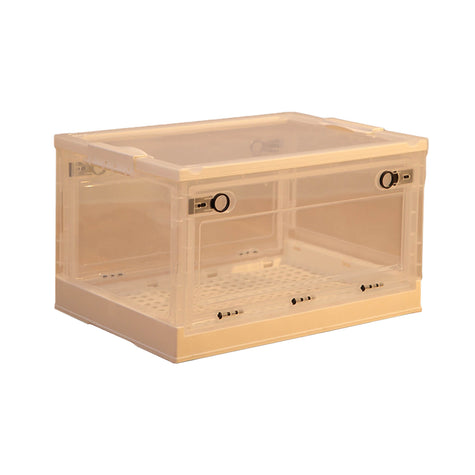
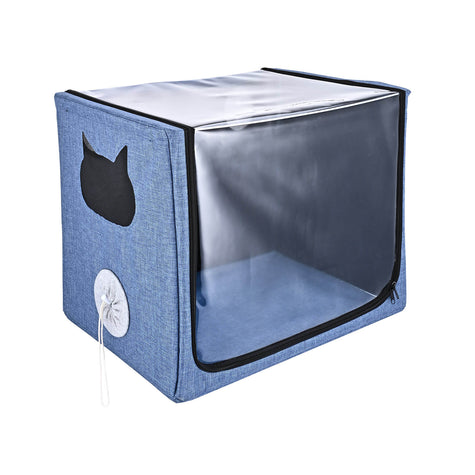
Reduced Handling & Stress: A pet oxygen chamber creates a cozy, localized lounge where your pet can rest, crouch, or sleep without anything touching their face. An enclosed chamber can reduce the need for physical restraint, which may make oxygen support less stressful for some anxious pets.


To help you see these differences clearly, here is how a pet oxygen mask vs. oxygen chamber compare across daily home use scenarios:
|
Feature |
Pet Oxygen Mask |
Oxygen Chamber |
|
How It Works |
Directs enriched air from a concentrator over the pet's nose and mouth |
Encloses enriched air from a concentrator within a dedicated space |
|
Pet Position |
Pet remains outside the equipment and wears the mask over their face |
Pet stays inside the chamber without any face or head coverings |
|
Movement |
More restricted; Usually requires the pet to remain relatively still during use |
More freedom to sit, stretch, turn around, or lie down naturally |
|
Owner Involvement |
Usually requires close, hands-on holding or active supervision |
Allows observation through transparent windows |
|
System Setup |
Oxygen Concentrator + Oxygen Tubing + Pet Oxygen Mask |
Oxygen Concentrator + Oxygen Tubing + Oxygen Chamber |
When Should You Choose a Pet Oxygen Mask or Oxygen Chamber?
Choosing between a mask and a chamber is a practical decision based on your pet's temperament, home environment, and physical needs.
Consider Your Pet’s Comfort and Tolerance
Your pet's natural personality is often the single most important factor when selecting a setup.
A pet oxygen mask may work better when:
-
Your pet naturally accepts gear around their face without squirming or panicking.
-
You can sit close by to hold the mask gently during short sessions.
-
Practical, hands-on monitoring is easy to maintain.
An oxygen chamber may be a better fit when:
-
Your pet strongly dislikes having their face or head covered.
-
Your pet becomes visibly stressed, pants, or struggles when restrained.
-
Your pet is far more comfortable resting, curling up, or moving freely in a private space.
Minimizing emotional stress is crucial during oxygen support, as panic increases heart and breathing rates. Selecting a delivery method that your pet tolerates well ensures a calm, effective session.
Consider How You Plan to Use It
 Think about how oxygen support fits into your daily routine and travel needs:
-
Short Sessions & Portability: A pet oxygen mask is extremely lightweight and compact, making it exceptionally convenient for brief, targeted administration if your pet sits calmly. Its portable design also makes it an ideal accessory to pack along for vet visits or short trips when you need quick, direct support on the go.
-
Extended Rest & Relaxation: An oxygen chamber provides a dedicated home sanctuary where your pet can nap, stretch, or rest naturally over longer sessions without continuous physical handling or restraint.
-
Household Footprint: While masks require virtually no storage space, chambers require a designated spot on a table or floor in your home.
Remember: There isn't a single "perfect" setup for every pet. The best choice depends entirely on your pet's individual tolerance, whether you need travel mobility, and your specific home setup.
Consider Your Pet’s Size and Available Space
A pet's physical proportions should always be factored into your choice:
-
Chamber Dimensions: Ensure the chamber is large enough for your pet to stand, sit, turn around completely, and lie down comfortably without feeling cramped.
-
Room Footprint: Measure your available space to ensure you can accommodate both the chamber and the oxygen concentrator comfortably.
-
Versatility: Larger pets can certainly use oxygen chambers provided the unit is properly sized and connected to a concentrator with adequate airflow output.
What Do You Need for a Pet Home Oxygen Setup?
Building a reliable home care system for pets requires three core components working together seamlessly:
-
Pet Oxygen Concentrator: The essential machine that pulls in surrounding room air, filters out nitrogen, and continuously produces purified, enriched oxygen.
-
Oxygen Tubing: Flexible tubing that carries the purified oxygen from the concentrator directly to your delivery accessory.
-
Pet Oxygen Mask or Oxygen Chamber: The final delivery interface where your pet actually inhales the enriched air.
Building a complete oxygen support setup is easier when all essential components work together. Here, we offer different bundle options that combine oxygen concentrators with suitable delivery accessories.


0.5–5 L/min Flow Serene 5 Pet Oxygen Concentrator & Oxygen Chamber Bundle
For a more dedicated home setup, the Serene 5 Pet Oxygen Concentrator & Oxygen Chamber Bundle pairs a continuous-flow oxygen concentrator with an enclosed oxygen chamber, creating a comfortable space where pets can rest naturally during at-home oxygen support sessions.
Safety Tips for Using Oxygen Support at Home


Delivering safe oxygen support at home relies on straightforward equipment management and attentive observation.
Keep Oxygen Equipment Away from Flames and Heat
Oxygen supports combustion and makes fires burn much faster and hotter. Always keep concentrators, tubing, masks, and chambers far away from open flames, lit candles, gas stoves, space heaters, and active smoking areas.
Keep the Concentrator in a Suitable Location
Position your oxygen concentrator on a flat, stable surface in a well-ventilated room. Maintain enough open space around the unit to keep cooling vents and air intakes unobstructed.
Monitor Your Pet During Use
Never leave your pet completely unattended during an oxygen session. Keep a close eye out for unusual behavior, heightened anxiety, restlessness, or changes in breathing effort.
If your pet exhibits severe respiratory distress, extreme weakness, or worsening symptoms, do not rely solely on home oxygen equipment. Supplemental oxygen at home is designed for comfort and supportive care—always seek immediate guidance or emergency care from your veterinarian when serious symptoms arise.
Pet Oxygen Mask or Oxygen Chamber: Which One Is Right for Your Pet?
Making the final decision comes down to matching your equipment to your pet's comfort:
|
Choose a Pet Oxygen Mask if: |
Consider an Oxygen Chamber if: |
|
Your pet naturally tolerates gear around their face |
Your pet panics or resists face coverings/restraints |
|
You prefer a quick, direct setup for short, hands-on sessions |
You want a hands-free, low-stress space for extended rest |
|
Household storage or floor space is extremely limited |
Your pet prefers to sit, stretch, or sleep freely in a cozy space |
The best setup isn't necessarily the one with the most complex features, it's the one your pet can comfortably tolerate and that fits smoothly into your home environment.