
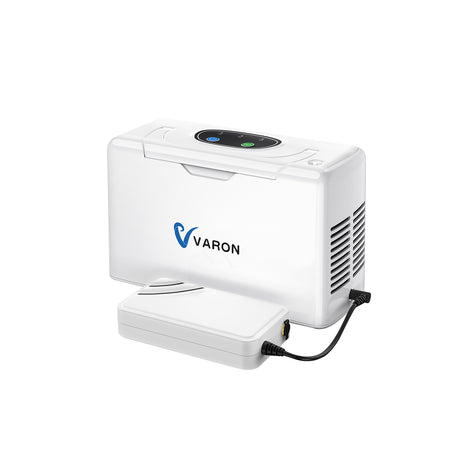
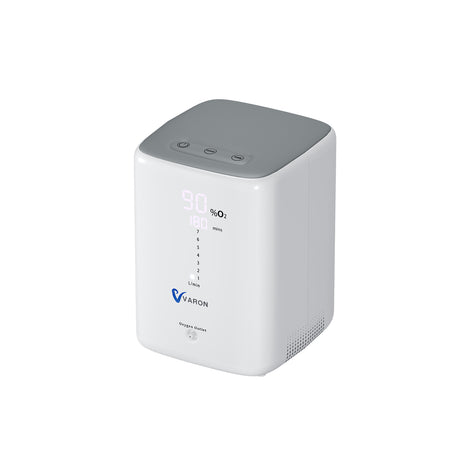
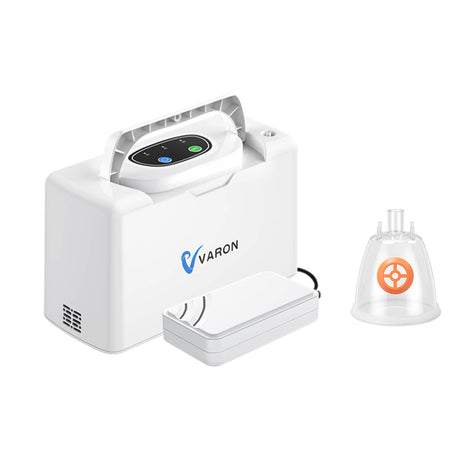
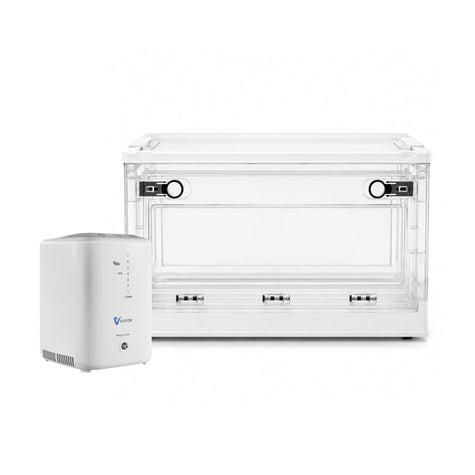
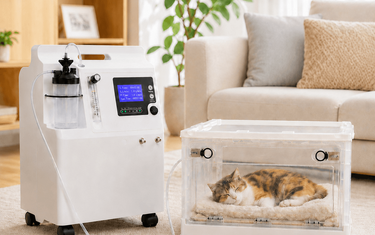
Seeing your furry best friend struggle to catch their breath is stressful for any pet parent. A pet oxygen concentrator for home use can provide a steady supply of concentrated oxygen in a home setting, making it easier to create a comfortable oxygen-support environment for your pet when needed.
But with so many options out there, how do you pick the right one? In this guide, we will discuss some key factors to consider when choosing an oxygen concentrator for dogs and cats.
Check Oxygen Flow and Oxygen Concentration
To pick the right pet oxygen concentrator for home use, you first need to understand two key terms: oxygen flow and oxygen concentration.
-
Oxygen Flow (LPM): Measured in liters per minute, this indicates the volume of gas delivered by the concentrator each minute.
-
Oxygen Concentration (%): This tells you how pure the oxygen is within that air stream.
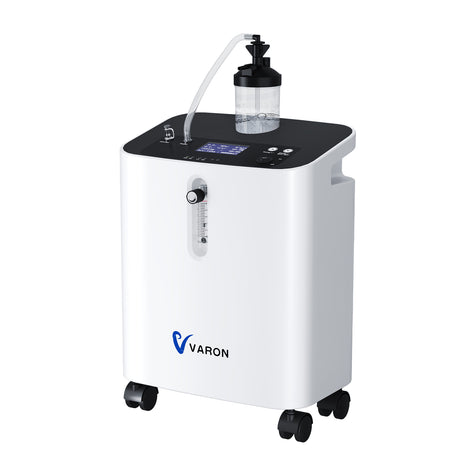
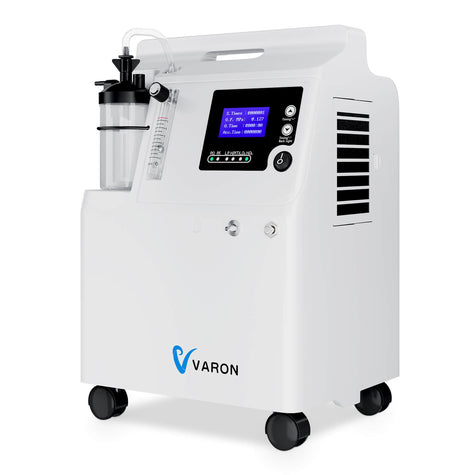
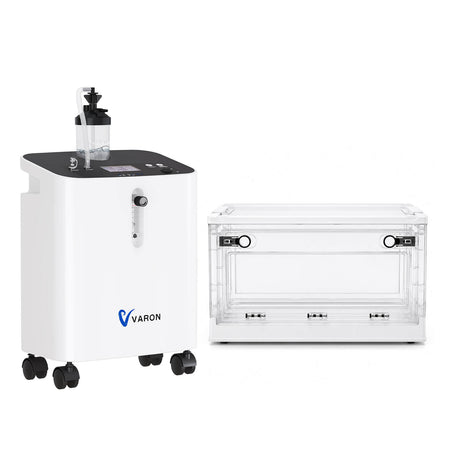
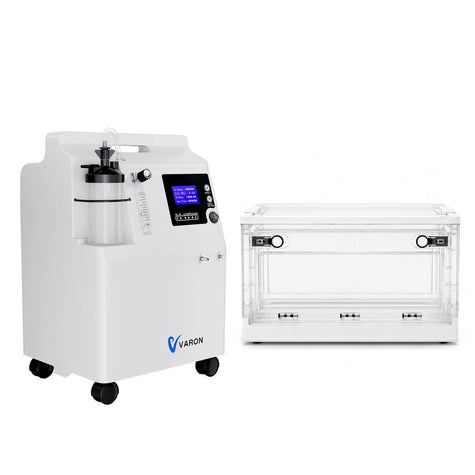
To help you better understand these two concepts in practice, let's take the Serene 5 and Serene 3 as examples:
|
Pet Oxygen Concentrator for Home Use |
|
|
|
|
|
Serene 3 |
Serene 5 |


The Serene 5 offers continuous, stable high purity (93%±3%) across its entire 0.5-5 L/min adjustable flow range. In contrast, the Serene 3 offers a broader 1–10 L/min flow range, with oxygen concentration varying depending on the flow setting. It delivers high oxygen concentration (95.6%-96%) at 1-3 L/min, while higher flow settings (4-10 L/min) naturally scale purity down (from 86.8% down to 47.3%) .
Here are two crucial rules when evaluating flow and concentration:
-
More Is Not Always Better: Higher flow or oxygen concentration is not automatically better for every pet. The appropriate setting depends on the pet, the chamber, and the intended use. Always follow your veterinarian's guidance and the equipment manufacturer's instructions when determining how the concentrator should be used.
-
The Balancing Act: On many adjustable machines, increasing the flow rate can cause the oxygen concentration to decrease. A machine might promise "up to 7 L/min", but its oxygen concentration may be significantly lower at that maximum setting. Always check the specifications to see how oxygen concentration changes across the available flow range.
Consider Noise Level When Choosing Oxygen Concentrator for Dogs and Cats
Our furry friends have incredibly sensitive hearing. A loud, rattling machine can easily spook an already anxious pet, which completely defeats the purpose of helping them relax and breathe comfortably.
When you are selecting an oxygen concentrator for dogs and cats, always check the noise rating. Options like the Serene 3 (Working sound: ≤48 dB) and Serene 5 (Working sound: ≤43 dB) operate smoothly and quietly in the background. A quiet pet oxygen concentrator for home use ensures that your pet can rest peacefully during their oxygen sessions without feeling stressed or scared.
Make Sure It Fits Your Pet Oxygen Chamber
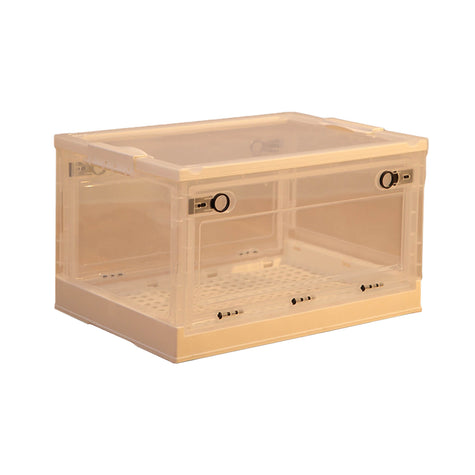
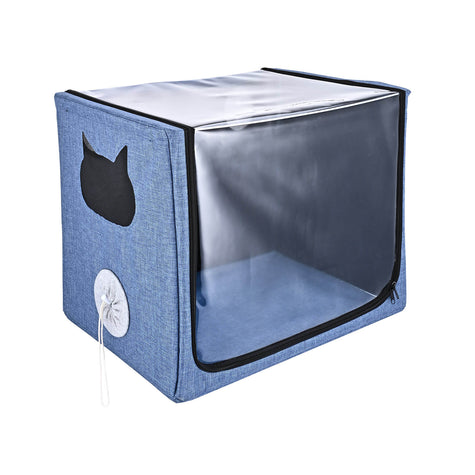
Unlike humans, most dogs and cats will not happily sit still with a mask on. That is why most pet parents opt for a cozy, enclosed pet oxygen chamber. However, the concentrator's flow rate should be appropriate for the size of the chamber.

-
Why Matching Matters: If the concentrator's flow rate is too low for the chamber size, it may take longer to reach the intended oxygen concentration and maintain adequate air exchange. A steady stream of incoming air is needed to flush out the warm air and carbon dioxide your pet exhales.
-
How to Get the Right Fit: Choose a machine with a flow rate (LPM) that suits your chamber's interior volume. Small enclosures for cats or tiny dogs require less airflow to fill, while larger cages for medium-to-large dogs need a higher output machine to keep the air inside constantly refreshed and comfortable.
Look at the Features That Matter for Everyday Use
Beyond the main specs, a great pet oxygen concentrator for home use should be easy to use and maintain. Keep an eye out for these practical features:
-
Continuous Flow Output: Continuous flow for reliable air supply is essential for helping maintain airflow inside the chamber.
-
Heat Protection: Machines work hard to concentrate air, which creates warmth. Look for reliable units designed to run smoothly and stay cool during extended sessions.
-
Easy Mobility: Sturdy wheels and a built-in handle mean you can roll the machine easily from room to room, keeping your pet near the family.
-
Simple Controls: Clear displays and straightforward dials mean you won't have to fuss with complicated settings when focus should be on your pet.
-
Cleaning & Maintenance: Clean the oxygen concentrator and pet oxygen chamber regularly according to the manufacturer's instructions. Proper maintenance helps keep the equipment running properly and the chamber comfortable for your pet.

Common Mistakes to Avoid
To ensure you get the perfect setup for your furry family member, avoid these common pitfalls:
-
Buying a "Pulse Dose" Unit: Pulse-dose devices are designed to deliver oxygen when they detect a specific inhalation pattern. They may not reliably trigger with the breathing patterns of dogs and cats. For enclosed pet oxygen chamber setups, choose a continuous-flow concentrator designed for this type of use.
-
Assuming Maximum Flow Means High Purity: Always read the product spec chart. Make sure the output purity stays high at your required LPM setting rather than dropping off.
-
Guessing Your Settings: Never guess how much flow your pet needs or leave them in a high-oxygen environment for hours without expert advice. Always get professional guidance first!
FAQs
What should I look for in a pet oxygen concentrator for home use?
Look for a continuous-flow machine with an output range that suits your intended use and chamber size. It should run quietly, maintain the specified oxygen concentration at your required flow setting, and be easy to use and move around the house.
What is the difference between oxygen flow rate and oxygen concentration?
Oxygen flow rate (Liters Per Minute or LPM) measures how much air volume is delivered per minute. Oxygen concentration (percentage) measures how pure the oxygen is within that air stream.
Does oxygen concentration change with flow rate?
It can. On many adjustable oxygen concentrators, oxygen concentration may decrease as flow increases. However, some models are designed to maintain a more consistent oxygen concentration across their specified flow range. Always check the manufacturer's specifications for oxygen concentration at the specific flow setting you plan to use.
Are pet oxygen concentrators noisy?
They can be, which is why sound level is so important to check. An ideal oxygen concentrator for dogs and cats operates with a soft, steady hum so it won't startle your pet or disrupt their peaceful rest.