








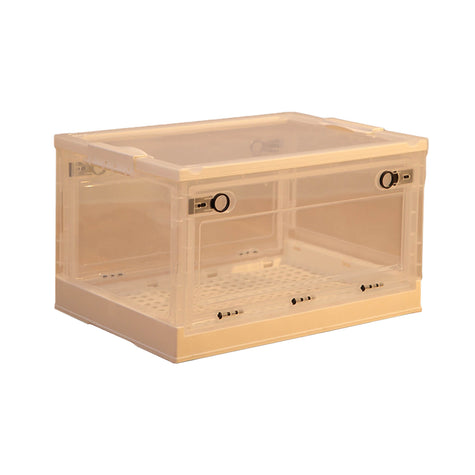
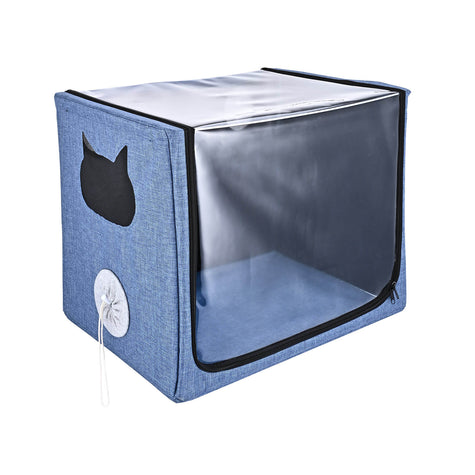
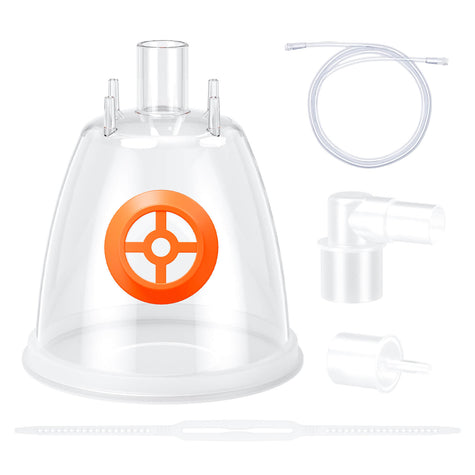
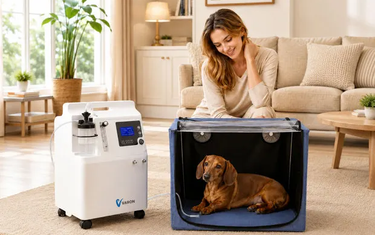
Keeping your pet's oxygen space clean is an important part of everyday care. Over time, a pet oxygen chamber naturally collects loose pet hair, ambient dust, moisture, and odors from daily use. At the same time, the connected oxygen concentrator needs basic routine care to ensure consistent clean airflow.
With regular cleaning and proper oxygen concentrator maintenance, you can help create a fresh and comfortable environment for your furry friend while keeping your equipment in good condition.
Maybe you are wondering how to clean a pet oxygen chamber and perform pet oxygen concentrator maintenance, here is your complete guide!
How to Clean a Pet Oxygen Chamber Step by Step

Step 1: Turn Off and Ventilate the Chamber
First, turn off your oxygen concentrator, unplug it from the wall, and disconnect the soft oxygen tubing from the chamber port. Open the chamber doors wide to allow fresh ambient air to circulate thoroughly throughout the enclosure. Remove all interior accessories, such as plush mats, blankets, favorite toys, or water bowls. Never use cleaning sprays or sanitizers while the oxygen concentrator is running, as lingering fumes can contaminate the air quality inside the space.
Step 2: Remove Fur and Debris
Start with dry physical cleaning. Clear away loose fur, dander, and dry debris. Gently wipe down all organic residue, paying special attention to hard-to-reach areas like interior corners, seam folds near the door zippers, ventilation mesh panels, and around the tubing intake port where hair tends to cling.
Step 3: Wipe Down Interior Surfaces
Prepare a gentle cleaning solution using warm water mixed with a mild, neutral soap or pet-safe dish detergent. Dampen a soft microfiber cloth, making sure it is not dripping wet, and wipe down the interior floor, clear side walls, window panels, and any surfaces your pet touches directly. Afterward, rinse your cloth with clean water, wipe away any remaining soap residue, and leave the chamber open so it can air-dry completely.
Step 4: Disinfect When Needed
If your chamber is shared between multiple pets, or if your pet has experienced vomiting, diarrhea, or an accidental spill, add a gentle disinfection step. Disinfection should always follow your initial physical cleaning. Choose a mild, non-corrosive disinfectant that leaves no harsh chemical fumes. Follow the product label for proper contact time, wipe off any remaining product with a damp paper towel, and allow the chamber to dry thoroughly.
Step 5: Dry Completely Before Use
Always ensure the interior floor, walls, and corners are 100% dry to the touch before placing blankets back inside or closing the doors for storage.
Step 6: Clean the Accessories and Connections
Take a moment to inspect the external oxygen tubing, inlet and outlet connectors, and detachable ports. Wipe down external connections with a dry or slightly damp cloth to keep dust and moisture from building up near airflow points.
Pet Oxygen Concentrator Maintenance Tips for Long-Term Use


Clean the External Filter Regularly
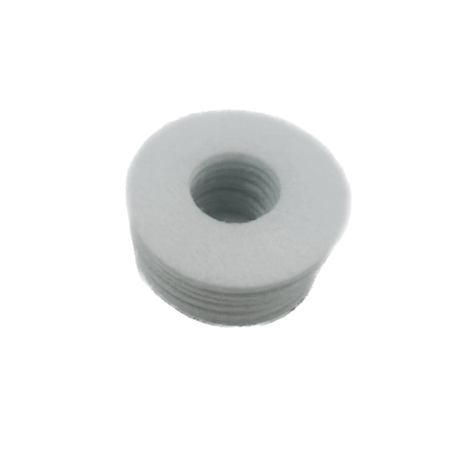
As the concentrator draws in ambient room air, the external filter captures floating dust, pet hair, and dander. If this filter becomes clogged, airflow decreases, reducing oxygen purification efficiency and placing extra strain on the compressor.
To care for it, turn off and unplug the machine, remove the external foam filter, and inspect it for dust build-up. If your model features a washable filter, rinse it gently in warm water with mild soap, and allow it to dry completely. Never reinstall a wet or damp filter, as internal moisture can permanently damage the sensitive internal system.
Keep the Oxygen Concentrator Clean
Dust and pet hair can easily settle around the outer housing and exhaust vents. Wipe down the exterior cabinet using a soft, dry or slightly damp cloth to keep cooling vents clear. Never spray water directly onto the cabinet, submerge the unit, or use harsh abrasive cleaners that could seep into internal electronic circuits.
Maintain Proper Ventilation
Oxygen concentrators need room to draw in fresh air and release heat. Avoid tucking the machine into an enclosed cabinet, placing it flush against a wall, or setting it on a thick, dusty carpet.
Check Oxygen Tubing and Connections
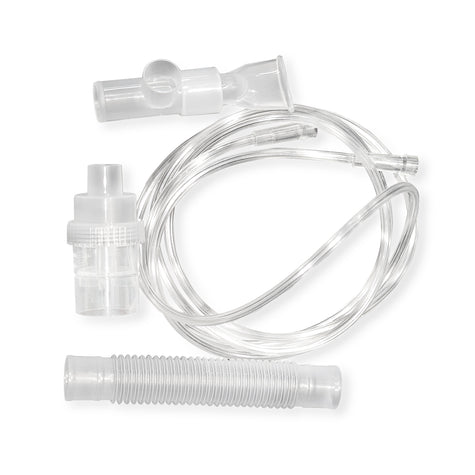
Periodically inspect your oxygen tubing for kinks, cracks, loose fittings, or moisture droplets trapped inside the line. Ensure the oxygen outlet connector and chamber intake port fit snugly without leaks. If you notice brittle tubing, loose connections, or restricted airflow, replace the tubing promptly.
Monitor Oxygen Purity
Over extended periods of heavy use, concentrator output can naturally shift due to sieve bed wear or filter restriction. Pay attention to any built-in diagnostic lights or low-oxygen alarm indicators on your machine. Running periodic check-ups according to manufacturer guidelines ensures your equipment performing well.

Here is a table for quick review:
|
Machine Component |
Cleaning & Maintenance Method |
|
External Filters (Air Intake Filters) |
• Check for dust and pet hair regularly • Clean washable filters according to manufacturer instructions • Make sure filters are completely dry before reinstalling • Replace damaged or heavily soiled filters |
|
Machine Exterior & Ventilation Openings |
• Wipe with a soft cloth • Keep vents free from dust and pet hair • Avoid direct contact with water or cleaning sprays |
|
Oxygen Tubing & Connectors |
• Check for cracks, kinks, moisture, or loose connections • Wipe the exterior when needed • Replace damaged tubing or connectors |
|
Oxygen Outlet & Chamber Connection Port |
• Check for dust or damage • Ensure connections are secure • Check for possible oxygen leaks |
|
Oxygen Purity & Performance Indicators |
• Monitor oxygen purity alerts • Watch for reduced airflow or unusual noises • Arrange inspection if performance declines |
|
Internal Components (Sieve Beds, Compressor, Electrical Parts) |
• Require professional inspection and servicing • Avoid opening or repairing internal components yourself |
Tips: Technical servicing, such as internal sieve bed replacement, compressor testing, or internal air circuit repair, should always be handled by qualified technicians or authorized service centers as recommended by your user manual.
How Often to Perform Cleaning and Maintenance?

Now you know how to clean a pet oxygen chamber and maintain the pet oxygen machine. But what about the frequency? Rather than following a rigid calendar, let your daily observations and product user manual guide you:
-
After Each Use or As Needed: Perform quick spot cleans by removing loose fur, wiping down visible smudges, and clearing out damp blankets.
-
Regular Maintenance Routine: Regularly inspect intake filters, wipe down outer chamber panels, and check connection tubing for wear.
-
Product Guidelines: Always consult your specific equipment manual, as different models and filter materials have unique care requirements.
Common Cleaning Mistakes to Avoid
Avoiding a few frequent missteps will keep both your pet safe and your equipment running for years to come:
❌Using Harsh Cleaning Products
Avoid industrial bleach, ammonia, strong alcohol sprays, or scented disinfectants. These harsh chemicals can degrade clear chamber windows, leave behind strong odors or chemical residues, and irritate your pet's sensitive nose and lungs.
❌Cleaning While Equipment Is Powered or Connected
A common mistake is wiping down ports or chamber walls while the oxygen concentrator is still plugged in or running. Moisture creeping back through the tubing into the machine can short-circuit electrical boards or damage internal sensors. Always turn off, unplug, and disconnect all lines before cleaning!
❌Running the Concentrator with Dirty or Wet Filters
Washing a foam filter and reinstalling it while still damp is extremely damaging. Water pulled into the machine can damage the internal molecular sieve beds (the core purification system). Always verify filters are bone-dry before running the machine, and replace single-use paper filters rather than washing them.
❌Placing the Machine in a Poor Location
Setting your concentrator in a cramped corner, directly beside a heat source, or in a heavily carpeted, dusty area restricts airflow and forces the internal cooling fan to work harder.
Create a Comfortable Oxygen Space for Your Pet
By learning how to clean a pet oxygen chamber and maintaining your concentrator properly, you can create a cleaner, more comfortable space for your pet. What's more, place a clean, familiar blanket inside and allow your pet to enter at their own easy pace with plenty of comforting treats. With a clean pet oxygen chamber and a well-maintained machine, your pet's daily wellness lounge will always feel like a peaceful sanctuary! 🐾✨

Looking for fresh accessories or pre-matched equipment? Explore our cozy Pet Oxygen Chambers, check out replacement tubing in our Oxygen Accessories, or browse our complete Pet Oxygen Chamber & Concentrator Bundles today! 🐶🐱❤️