

Halloween transforms the home into a vibrant hub of festive sights, sounds, and activity. While bowl-loads of sweets, creative costumes, illuminated pumpkins, and misty fog machines make the holiday memorable for humans, these seasonal additions introduce novel household hazards for pets. Sweets placed on low coffee tables, unfamiliar costumes that restrict movement, open flames inside carved jack-o'-lanterns, and airborne fog effects can quickly turn an evening of fun into an emergency.
Achieving practical Halloween pet safety requires proactive steps before trick-or-treaters arrive. To keep dogs and cats safe, secure all sweets in latchable cabinets, select comfortable attire (or skip dressing up entirely), swap traditional candles for battery-operated lights, keep pets entirely away from fog effects, and set up a calm, quiet sanctuary room.
Emergency Note: If you suspect your pet has eaten toxic candy, swallowed foil or plastic wrappers, or is exhibiting respiratory distress, do not wait for symptoms to worsen. Contact your primary veterinarian, an open emergency animal hospital, or a national poison-control helpline immediately.
Halloween Pet Safety at a Glance
For quick decision-making before the festivities begin, use this overview of common Halloween hazards for pets alongside practical preventive actions and safer alternatives.
|
Hazard |
Preventive Action |
Safer Choice |
|
Candy & Sweets |
Store all human treats and wrappers in closed, latched storage away from counter edges. |
Offer species-appropriate pet treats in a separate location. |
|
Pet Costumes |
Check fit, sightlines, and movement; supervise costume wear at all times. |
Choose festive bandanas, decorative photo backdrops, or skip outfits entirely. |
|
Candles & Lanterns |
Remove all open flames from walkways, low tables, and floor level. |
Use flameless LED candles or light sticks with secured battery compartments. |
|
Fog Machines |
Keep pets completely away from fog vapor, liquid fluid, and operating machines. |
Keep pet-designated spaces entirely free of airborne atmospheric effects. |
Applying these Halloween safety tips for pets helps eliminate high-risk exposures while keeping your home festive.
Keep Halloween Candy and Wrappers Away From Pets
Snack bowls resting on low coffee tables or kids' trick-or-treat bags dropped on the floor present significant risks during Halloween. Sniffing out human treats is second nature to curious animals, but many popular candies contain ingredients that pose serious health risks to pets.

Check for Chocolate, Xylitol, and Other Concerning Ingredients
Understanding why certain ingredients pose risks helps prioritize high-hazard items for complete removal:
-
Chocolate: Contains theobromine and caffeine—methylxanthines that dogs and cats metabolize far more slowly than humans do. Dark chocolate and cocoa powder have the highest concentrations and can cause severe gastrointestinal distress, elevated heart rate, tremors, or seizures.
-
Xylitol (Birch Sugar): Commonly found in sugar-free candies, gums, baked goods, and some nut butters. Xylitol poisoning in dogs is a severe medical emergency; it triggers a rapid insulin release that causes life-threatening hypoglycemia (low blood sugar) within 30 to 60 minutes, alongside potential liver failure.
-
Raisins and Grapes: Often found in mini-snack boxes or chocolate-covered mixes, raisins can cause acute kidney injury in dogs even in tiny amounts.
-
Macadamia Nuts & High-Fat Sweets: High fat content can trigger acute pancreatitis, leading to severe abdominal pain, vomiting, and lethargy.
Secure Candy Bags, Wrappers, and Trash
It isn't just the sweets themselves that pose a threat; the packaging also creates dangerous mechanical hazards. Foil, cellophane, candy wrappers, and plastic sticks can cause intestinal blockages or tears if ingested.
To protect pets from these hazards:
-
Educate Children and Guests: Ensure kids know to keep trick-or-treat buckets in closets or high, closed cabinets rather than on bedroom floors or nightstands.
-
Secure Guest Belongings: Place coats, purses, and backpacks in a closed room—guests often carry gum, mints, or chocolate bars without thinking.
-
Use Latching Trash Cans: Empty sweet wrappers regularly into an outdoor or locked bin. Dogs readily raid open kitchen trash cans for scented packaging.
-
Account for Feline Agility: Cats easily reach tall counters and shelves, where they may bat at shiny foil wrappers or stringy ties. Store all sweets inside latched cabinets or solid containers.
What Should You Do If Your Dog Ate Halloween Candy?
If you catch your pet consuming candy or find chewed packaging, act quickly and stay calm.
-
Identify the Substance: Collect remaining wrappers, estimate the quantity swallowed, note the time of ingestion, and note your pet's current weight.
-
Contact Professionals Immediately: Call your primary veterinarian, a local veterinary emergency hospital, or a dedicated poison helpline:
-
Do Not Induce Vomiting at Home: Never administer hydrogen peroxide or induce vomiting without explicit instruction from a licensed veterinarian. Incorrectly induced vomiting can cause severe chemical aspiration, esophageal burns, or worsen internal blockages.
Choose Pet Costumes for Comfort and Freedom of Movement
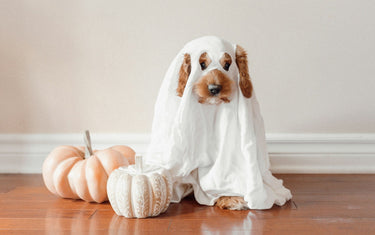
Dressing up pets for photos is popular, but safety and comfort must come before aesthetics. Outfits that restrict movement, obscure vision, or cause distress can make Halloween uncomfortable or unsafe for animals.

Check Fit, Breathing, Vision, and Loose Parts
Prioritize pet costume safety by conducting a thorough check before placing any garment on your animal:
-
Airway and Neck Clearance: Ensure neck straps, capes, or ties do not compress the windpipe or rest tightly against the throat.
-
Vision and Auditory Clearance: Headpieces should not cover the eyes, pinch the ears, or bend feline whiskers, which are vital tactile sense organs.
-
Unrestricted Mobility: Confirm your dog or cat can walk, sit, lie down, turn around, and jump comfortably without tripping on drooping fabric or tail openings.
-
No Loose or Chewable Parts: Remove small buttons, beads, pom-poms, or elastic bands that a pet could chew off and swallow.
Recognize When Your Pet Wants the Costume Off
Pets communicate distress through subtle body language. Understanding these signs helps you maintain proper pet costume safety for both dogs and cats.
Watch for these warning signs:
-
"Freezing" or Immobilization: A pet that stands completely still, refuses to walk, or flops onto its side is often experiencing extreme stress rather than calm compliance.
-
Pawing and Rubbing: Repeatedly scratching at the head, rubbing against furniture, or trying to back out of an outfit indicates discomfort.
-
Stress Behaviors: Pacing, panting, lip-licking, flattened ears, a tucked tail, or attempting to hide under beds or behind couches.
If your pet exhibits any of these reactions, immediately remove the outfit and offer praise and a treat.
Consider a Simple Alternative—or Skip Dressing Up
Participation doesn't require a full-body outfit. Safer, low-stress options include:
-
A festive Halloween-themed collar cover or slip-on bandana.
-
A seasonal harness attachment or comfortable festive leash.
-
Placing themed props or plush toys in the background of photos while your pet remains unencumbered.
Replace Open Flames and Secure Halloween Decorations
Traditional holiday decorations create an inviting atmosphere, but open flames, low-hanging electric cords, and synthetic cobwebs introduce hazards for curious pets.
Use Flameless Candles and Keep Batteries Inaccessible

Real candles inside jack-o'-lanterns pose obvious fire risks. A wagging tail, a startled jump, or a cat exploring a windowsill can knock over a candle, causing painful burns or igniting household furnishings.
-
Switch to LEDs: Swap open flames for battery-operated LED candles or glow sticks.
-
Secure Battery Compartments: Flameless candles contain button or AA batteries. If ingested, button batteries can cause severe tissue necrosis within hours due to electrical currents and chemical leaks. Ensure all battery doors are screwed shut or firmly taped.
Keep Cords, Fake Webbing, and Small Props Out of Reach
When decorating your living space, keep these safety adjustments in mind:
-
Fake Spider Webbing: Synthetic cotton webbing easily snags on claws and, if ingested, acts as a linear foreign body in the digestive tract, requiring emergency surgery.
-
Power Cords: Secure lighting cables behind furniture or run them through cord covers to discourage chewing, which can cause oral burns or electric shock.
-
Small Props and Figurines: Keep miniature plastic skulls, rubber spiders, and small decorative pumpkins off low tables where dogs might mistake them for chew toys.
Are Fog Machines Safe Around Dogs and Cats?
Atmospheric effects like fog machines and dry ice add spookiness to porches and entryways, but their placement requires careful management around pets.
Separate Airborne Fog From Fog-Fluid Exposure

Fog machines function by heating specialized fluid—typically a blend of water and pharmaceutical-grade glycol or mineral oil—to create a dense vapor.
-
Inhalation Hazards: While labeled "non-toxic" for general human exposure, dense vapor can irritate delicate respiratory tracts. Animals with pre-existing asthma, bronchitis, or brachycephalic (flat-faced) anatomy are especially susceptible to coughing and airway inflammation when exposed to fog effects.
-
Fluid Toxicity: Concentrated fog fluid must be kept completely out of reach. Ingestion of unheated glycol-based mixtures can cause gastrointestinal upset or central nervous system depression depending on the formulation. Always store liquid containers in closed cabinets.
Treat Dry Ice as a Separate Hazard
Dry ice (solid carbon dioxide) creates a low-hanging fog effect when mixed with hot water, but it presents unique safety risks:
-
Thermal Contact Burns: At a temperature of -109.3°F (-78.5°C), direct skin or oral contact with dry ice causes severe frostbite and tissue destruction within seconds.
-
Carbon Dioxide Accumulation: Dry ice sublimates directly into carbon dioxide gas (CO2). Because CO2 is heavier than air, it settles near floor level—precisely where small dogs and cats walk and breathe. Concentrated CO2 pockets displace oxygen, leading to rapid breathing, disorientation, or asphyxiation in confined, unventilated spaces.
Keep Pet Areas Free of Fog and Smoke
To protect your pet's respiratory health, keep all fog equipment outside or in isolated zones. Never direct fog machines into enclosed indoor spaces where pets reside, and ensure outdoor porch effects do not blow directly into entryways where pets pass through.
Prepare a Quiet Space Before Trick-or-Treating Begins
The continuous ringing of doorbells, knocking, loud voices, and costumed strangers can trigger significant stress in home pets. Proper environmental management reduces anxiety and prevents accidental escapes.

Reduce Door Traffic and Prevent Escapes
When doors open repeatedly for trick-or-treaters, anxious pets may dart outside into dark streets.
-
Establish a Sanctuary Room: Prepare an interior room far from the front door. Provide comfortable bedding, favorite toys, fresh water, and an accessible litter box or pee pad.
-
Muffle Distractions: Play soft classical music, white noise, or TV audio to mask doorbells and street noise. Close blinds and curtains to block flashing outdoor lights and moving shadows.
-
Double-Check Identification: Confirm your pet is wearing a collar with updated ID tags and that their microchip registration reflects your current phone number and address.
-
Manage Doorway Access: Place a baby gate in the hallway leading to the front door to create a physical buffer, preventing quick escapes when handing out candy.
Maintain Existing Care for Pets Using Home Oxygen
If you manage a pet receiving veterinarian-directed oxygen therapy for chronic respiratory or cardiac conditions, maintaining an uninterrupted care routine during busy holidays is essential.
When caring for a pet on oxygen support during Halloween, keep these safety practices in mind:
-
Protect Airflow and Lines: Ensure oxygen tubing is routed away from high-traffic hallways where family members or guests might trip on lines. Keep equipment intake vents clear of hanging decorations or costumes.
-
Enforce Fire Safety Precautions: Concentrated oxygen accelerates combustion. Keep all open flames, lit pumpkins, real candles, and smoking materials far away from rooms housing oxygen equipment.
-
Preserve Air Quality: Home oxygen systems pull ambient room air to concentrate oxygen. They do not filter out dense fog fluids, particulate smoke, or strong chemical scents. Maintain your pet's oxygen setup in a clean, well-ventilated room entirely separated from fog effects or incense.
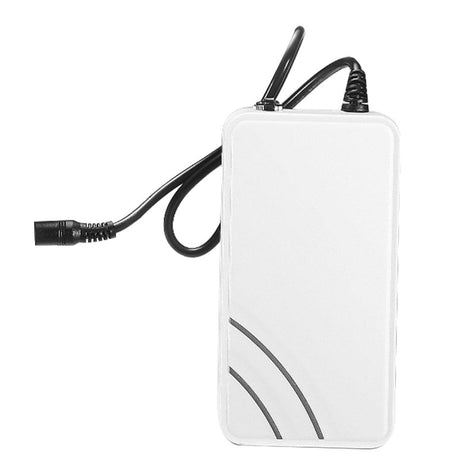
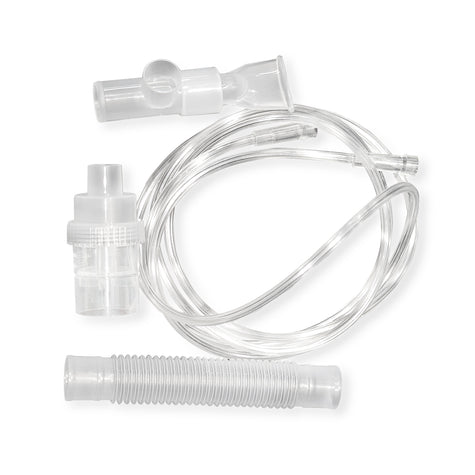
For households using a reliable system like the VARON VH-3 Home Pet Oxygen Concentrator, maintaining a quiet, stable recovery space is straightforward. Operating at a quiet noise level under 42 dB, the VH-3 provides continuous, adjustable oxygen flow (1–7 L/min) alongside dual nebulizer functionality, allowing pets to receive their veterinarian-prescribed therapy without added holiday stress.
Note: Oxygen equipment is designed strictly for veterinarian-directed medical support—it does not neutralize airborne toxins, clear room fog, or treat general holiday stress.
Know When to Contact a Veterinarian
Recognizing when to transition from home observation to immediate professional care helps prevent medical emergencies from escalating.

Call Promptly After a Suspected Harmful Ingestion
If you discover chewed candy wrappers, missing chocolate, or damaged battery compartments, seek prompt professional guidance.
Information to gather before calling:
-
Exact product name, ingredient list, and estimated amount consumed.
-
Time elapsed since ingestion.
-
Your pet's species, breed, age, and current weight.
-
Any physical symptoms present (e.g., drooling, vomiting, restlessness).
Do not wait for clinical symptoms to appear before calling poison control or your emergency clinic—early intervention improves treatment outcomes.
Seek Emergency Help for Breathing Difficulty or Collapse
Respiratory problems and physiological distress require immediate emergency medical care.
Go immediately to an open emergency clinic if you observe:
-
Open-mouth breathing or excessive panting in cats.
-
Extended neck posture with rapid, labored chest movements.
-
Pale, bluish, or grey gums and tongue (indicating oxygen deprivation).
-
Abrupt weakness, collapse, seizures, or unresponsiveness.
Never delay emergency transport to search for home remedies or experiment with unprescribed medical devices.
Complete a Halloween Night and Next-Morning Safety Check
After the last trick-or-treaters leave and the front lights go out, run through this quick safety sweep to ensure your home is clear of hidden hazards:
[ ] Candy Storage: Confirm all remaining treats are locked in closed cabinets.
[ ] Wrapper Cleanup: Check floors, sofas, and yard paths for dropped wrappers or sticks.
[ ] Costume Removal: Remove all outfits, bandanas, or accessories from your pet.
[ ] Secure Access: Verify exterior gates, porch doors, and front entrances are closed.
[ ] Decoration Check: Unplug light cords, switch off flameless candles, and secure small props.
[ ] Medical Routine: Verify home oxygen tubing, water levels, and equipment vents are secure.
Frequently Asked Questions
Is water-based fog safe for pets?
No. Even "water-based" fog can irritate a pet's airways, cause coughing, or trigger asthma and bronchitis. Keep pets entirely away from room fog and airborne vapors.
Can cats eat chocolate?
No. Chocolate contains theobromine and caffeine, which are toxic to cats. If you suspect your cat ingested any chocolate, contact a veterinarian or poison helpline immediately.
Can home oxygen make fog exposure safe?
No. Oxygen concentrators increase oxygen supply, but they do not filter out fog vapors or chemical irritants. If your pet inhales fog, move them to fresh air right away and call your vet.
A Safer Halloween Starts With Preparation

Protecting your dog or cat during the holiday comes down to thoughtful preparation, proactive environmental management, and prioritizing Halloween pet safety. By keeping candy bowls securely out of reach, choosing low-stress festive attire, replacing open flames with safe LED lights, and isolating pets from fog machines, you eliminate major holiday risks.
A well-prepared sanctuary room gives your pet a quiet, safe retreat while trick-or-treaters visit, ensuring the whole household enjoys a calm, hazard-free Halloween celebration.