










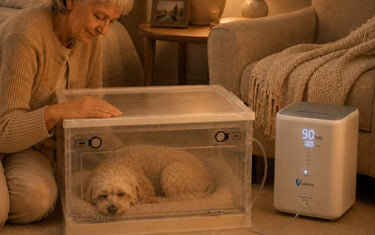
The first evening with oxygen equipment at home can feel unfamiliar. You may find yourself listening to every sound from the machine and wondering whether your pet is resting comfortably. A clear routine gives you something useful to follow when you are tired or worried.
Good nighttime oxygen support for pets starts with a veterinarian-approved plan, a checked setup, a comfortable resting area, and appropriate observation. Oxygen supports prescribed medical care; it is not a sleep aid. Even when a concentrator can operate for extended periods, that does not mean your pet can receive treatment unattended.
The aim is a familiar sequence you can carry out confidently, with clear instructions for when to ask for help.
Start With a Veterinarian-Approved Nighttime Plan
Confirm Whether Home Oxygen Care Is Appropriate

Before arranging the evening around oxygen sessions, confirm that your veterinarian considers your pet suitable for home care. The answer depends on their condition, the support they need, and the observation you can provide.
An established plan for home oxygen for pets is different from trying to manage new breathing difficulty yourself. If your pet is struggling to breathe, seek veterinary care promptly rather than waiting to see whether a bedtime routine helps. Cornell’s Feline Health Center emphasizes that breathing difficulty in cats requires prompt veterinary attention.
Write Down Settings, Duration, and Monitoring Instructions
Keep a short care sheet beside the equipment. Include:
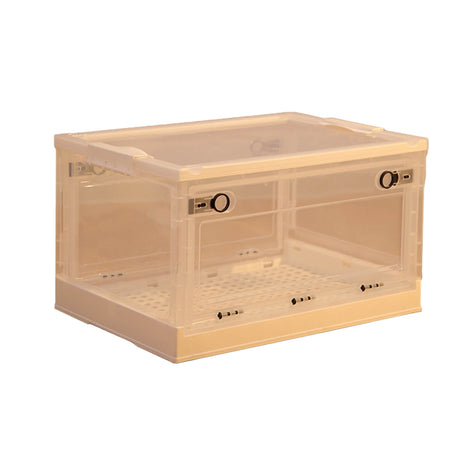
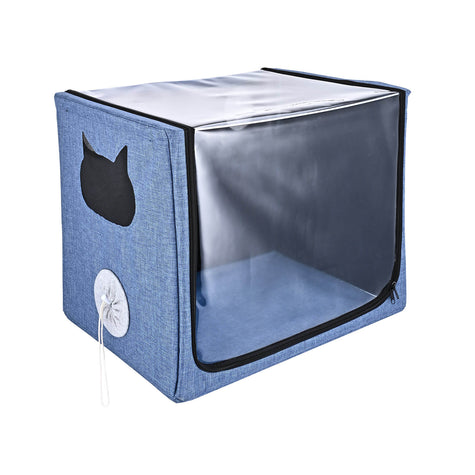
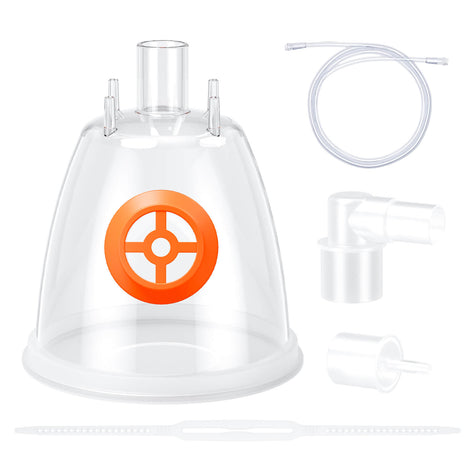
- The prescribed equipment and delivery method, such as a mask, nasal cannula, or pet oxygen chamber.
- The flow rate (L/min) and treatment schedule.
- What to observe and record, including your pet’s usual resting breathing rate.
- Warning signs and breathing rate that require a veterinary call or emergency visit.
- Instructions for alarms, interrupted treatment, and backup oxygen.
- Ask the veterinary team to demonstrate anything unclear. There is no universal nighttime flow setting or session length, and a comfortable-looking pet is not a reason to change the prescription.
Agree on Who Will Provide Overnight Observation
Before starting overnight oxygen therapy for pets, clarify who will supervise your pet and what that responsibility involves.
If two adults share care, decide when responsibility changes hands. If nobody can provide the required supervision, contact your veterinary team before the evening session. Hospital monitoring may be needed.
Prepare a Quiet, Comfortable Resting Area
Choose a Familiar Space Where You Can Observe Your Pet
Choose a room where your pet usually feels comfortable, and you can reach the equipment easily. A quiet living room may work better than an isolated spare bedroom if it allows closer observation.

Lower the television volume, put away noisy toys, and ask family members to keep activity gentle nearby. Leave enough light to see your pet’s chest and resting position without repeatedly shining a flashlight toward their face.
Keep Equipment and Chamber Ventilation Clear
Place the pet oxygen concentrator on a stable surface permitted by its instructions, with the required clearance around every relevant vent. Keep it outside the pet oxygen chamber.
The chamber also needs its designed ventilation. Do not cover openings or improvise an airtight enclosure to “keep more oxygen in.” Follow the instructions for the complete system, including any temperature checks.
Keep the home oxygen machine, tubing, and oxygen-use area away from smoking, candles, fireplaces, and other ignition sources. Oxygen makes fires burn more readily; follow the equipment’s fire-safety requirements and separation distances. Keep water bowls and other spill risks away from electrical connections.
Arrange Bedding, Tubing, and Cords Carefully
Use suitable bedding without allowing fabric to cover chamber openings or equipment vents. Follow the tubing route with your eyes from the machine to the designated inlet, checking for bends, pinched sections, and places a paw could become tangled.
Keep cords out of walking routes. Avoid loose loops where another pet could chew or pull them. For a fuller room-by-room discussion, see Where Should You Place a Pet Oxygen Concentrator at Home? A Room-by-Room Setup Guide.
Check the Oxygen Equipment Before the Session
Follow the Manufacturer’s Startup Instructions

Read the startup sequence for your specific model rather than relying on a video of a similar machine. Warm-up requirements, indicators, and alarm behavior can differ.
Know which displays describe normal operation and what each alert requires you to do. Keep the manual somewhere accessible; an unfamiliar alarm is harder to interpret when everyone is tired.
Check Connections and Prescribed Settings
Inspect the tubing and fittings, confirm the connection to the chamber’s designated inlet, and compare the flow setting with the written veterinary plan.
One distinction matters: the oxygen concentration leaving a concentrator is not automatically the concentration your pet breathes inside a chamber. The delivery system, ventilation, flow, and chamber configuration all affect the environment. Ask your veterinarian and supplier how the prescribed setup is intended to work.
Do not increase the flow to compensate for opening a chamber unless your veterinary instructions specifically direct you to do so.
Prepare for Alarms or Power Interruptions
Knowing what to do if a pet oxygen concentrator loses power should be part of the plan before treatment begins. Keep the emergency hospital’s number, transport arrangements, and any prescribed backup supply ready.
Ask the supplier to confirm whether a proposed backup power source can operate your exact machine, including startup demand and expected runtime. A household battery pack or UPS should not be assumed suitable simply because the plug fits.
Help Your Pet Settle Into the Evening Routine
Introduce Unfamiliar Equipment When Your Pet Is Stable
If your veterinarian approves familiarization outside necessary treatment, let your stable pet explore the turned-off equipment or sit near the running unit with gentle praise and a small treat, if their diet and care plan allow. A brief introduction without pressure can make the unfamiliar hum and chamber feel less intimidating.

Learning how to help a pet adjust to an oxygen concentrator should never delay treatment. If your pet is struggling to breathe, follow the prescribed emergency plan and seek veterinary care promptly.
Keep Handling Gentle and the Routine Predictable
Use a simple sequence: prepare the area, check the equipment, help your pet settle as instructed, and begin observation.
Keep your voice and movements relaxed. Some pets welcome quiet company; others rest more easily when nobody repeatedly strokes or repositions them. Follow veterinary advice about handling and posture, and avoid adding exercise or enrichment activities that conflict with the care plan.
Recognize When Restlessness Needs Attention
Repeatedly standing up, changing position, or being unable to settle should not automatically be dismissed as dislike of the chamber. VCA identifies restlessness and changes in sleeping position among signs that can accompany worsening heart disease.
Notice whether the behavior comes with faster breathing, greater effort, or reduced responsiveness. Follow the action plan rather than trying to soothe away a medical change.
Monitor Your Pet During Nighttime Oxygen Support
Monitoring your pet during oxygen therapy means observing both their breathing and the equipment. A consistent approach helps you recognize changes and share useful information with your veterinary team.
Observe Breathing Rate, Effort, and Resting Position
To count your pet’s sleeping breathing rate, watch the chest without disturbing them. One complete rise and fall counts as one breath. Count for 30 seconds and multiply by two, or count for a full minute. Cats should not be purring during the count.

Compare the result with your pet’s usual baseline and veterinarian-provided thresholds, while also checking the following:
|
Observation Area |
What to Watch For |
|
Breathing rate |
An increase from your pet’s baseline or a reading outside the veterinary plan’s limits. |
|
Breathing effort |
Increased abdominal movement, flared nostrils, open-mouth breathing, or neck extension. |
|
Posture and responsiveness |
Difficulty lying down, an unusual resting position, weakness, or reduced responsiveness. |
|
Equipment and chamber |
Prescribed flow setting, secure connections, unobstructed ventilation, unusual sounds, and chamber temperature within the instructed range. |
A breathing count cannot tell you everything. Visible difficulty breathing requires prompt action even if the rate appears acceptable. Follow your veterinary emergency plan rather than waiting for the next observation.
Follow the Agreed Observation Schedule
Confirm how your veterinarian wants your pet supervised and when observations should be recorded. Some care plans require continuous direct observation; scheduled notes do not replace that supervision.
Cameras and equipment alarms can provide additional information, but they cannot confirm that your pet is medically stable. A machine may continue running normally while breathing worsens.
If the plan requires an awake observer, arrange caregiver coverage. If you cannot provide the required supervision, speak with your veterinary team about alternatives before treatment begins.
Keep a Simple Care Record
Record brief observations at the times specified in your pet’s care plan. Include what changed, any equipment concerns, and the action taken.
|
Care Stage |
Breathing Observations |
Equipment Concerns |
Action Taken |
|
Session start |
Record breathing rate, effort, posture, and responsiveness. |
Note settings and connection checks. |
Confirm the prescribed setup. |
|
During supervision |
Record changes from the starting observations. |
Note alarms, tubing issues, or chamber concerns. |
Follow the veterinary or equipment instructions, as appropriate. |
|
Caregiver handoff |
Summarize changes and current observations. |
Pass on unresolved concerns. |
Confirm responsibility and any follow-up needed. |
This is a recording template, not a recommended checking schedule. If breathing becomes labored, your pet collapses, or responsiveness decreases, seek urgent veterinary help rather than spending time completing the log.
Know What to Do When Something Changes
Respond to Worsening Breathing Promptly
Seek urgent veterinary help for struggling or gasping breathing, collapse, or blue, gray, or markedly pale gums. Open-mouth breathing in a cat is particularly concerning. Do not wait for every warning sign to appear.

Avoid prolonged troubleshooting while your pet is visibly struggling. Do not independently increase settings, give extra medication, or wait for the next planned observation. Follow emergency instructions and minimize unnecessary handling.
Follow the Plan for Equipment Alarms or Power Failure
An alarm calls for the model-specific response in the manual. A medical change calls for the veterinary action plan. Both may happen together.
Use the agreed backup arrangement when instructed, and contact the veterinary team or emergency hospital as needed. Do not turn off prescribed oxygen simply to silence an alarm, and do not attempt internal repairs during a session.
Be Ready to Seek Emergency Veterinary Care
Keep the carrier or transport arrangement accessible and know which emergency hospital is open overnight. If transport oxygen has been prescribed, understand its setup and supply limits beforehand.
When possible, have another adult call ahead while transport is arranged. Oxygen therapy for pets at home should never delay care that requires a veterinary hospital.
Choose Equipment That Fits Your Pet’s Care Plan
Evaluate Noise Alongside Oxygen Delivery

When choosing a quiet oxygen concentrator for pets, first confirm that its oxygen output and delivery system meet your veterinarian’s care plan. Then consider noise and other features that make home use easier.
|
Model |
Listed flow range |
Listed oxygen concentration |
Listed operating sound |
|
1–7 L/min |
Adjustable 28%–90% |
≤42 dB(A) |
|
|
0.5–5 L/min |
93% ±3% |
≤43 dB |
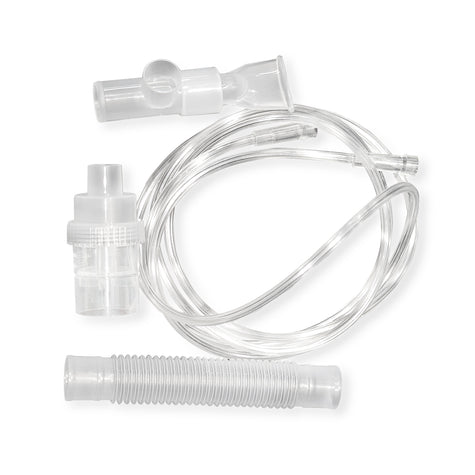
The Serene 5 provides consistent oxygen concentration across its flow range. The VH-3 offers an integrated nebulizer for pets whose veterinary plan also includes nebulization, although its oxygen concentration varies with the flow setting.
These output figures do not represent the oxygen concentration achieved inside a chamber, which depends on the complete setup. Confirm that your chosen combination of concentrator, tubing, and chamber meets your pet’s prescribed needs.
Both models offer low-noise operation, but the small difference in sound ratings may not be noticeable at home. Room acoustics and testing conditions can affect comparisons, so weigh noise alongside alarms, maintenance requirements, and service support.
Compare a Concentrator with an Oxygen Tank
A concentrator uses electricity to concentrate oxygen from room air, so it does not need oxygen refills during normal operation. A tank contains a finite supply that must be replaced or refilled, but the oxygen supply itself does not depend on household power.
The choice between an oxygen concentrator and an oxygen tank for pets depends on the treatment and backup plan. Neither is automatically the best option for every household.
Check Compatibility and Ongoing Costs
Consider the complete setup: machine, tubing, chamber or prescribed interface, maintenance, consumables, electricity, and servicing.
For example, the Serene 5 chamber options described in the product information include 56L, 80L, and 100L enclosures. Volume alone does not determine suitability. Confirm that the complete system meets the veterinary plan and allows appropriate positioning and ventilation.
A pet oxygen concentrator also does not provide the examinations, treatment adjustments, and clinical monitoring available in a hospital.
Review the Night and Prepare for the Next Session
Share Observations With the Next Caregiver

At handoff, share what changed, what actions were taken, and whether you contacted the veterinary team. Confirm who is responsible for any ongoing session.
A short statement such as “No alarms; breathing observations recorded; clinic callback pending” is more useful than “Everything seemed fine.”
Follow Cleaning Instructions and Report Changes
Keep nightly inspection separate from scheduled cleaning and replacement. Follow the instructions for filters, tubing, interfaces, and chambers rather than applying one cleaning schedule to every component.
Report an increasing need for oxygen, reduced tolerance of sessions, or changes from your pet’s normal pattern. Do not quietly extend the routine or alter treatment yourself.
Frequently Asked Questions
Can My Dog Sleep in an Oxygen Chamber?
Possibly, if your veterinarian approves the setup, duration, and supervision. Sleeping during prescribed treatment does not make unattended use appropriate.
Can My Cat Receive Oxygen Therapy Overnight?
Only under an individualized veterinary plan with the required observation. Cats needing more intensive support may require hospital care.
Can I Leave My Pet Alone During Oxygen Therapy?
No. Supervise your pet and follow the required observation plan. VARON VH-3 guidance specifically instructs owners not to leave pets unattended during oxygen sessions.
How Long Should Nighttime Oxygen Therapy Last?
Follow the prescribed session length. Do not extend treatment because the machine can keep running or shorten it because your pet appears asleep.
Can I Move the Concentrator Farther Away to Reduce Noise?
Only within the manufacturer’s placement and tubing requirements. Confirm permitted tubing length and routing with the supplier before changing the setup.
Does a Quiet Concentrator Mean It Is Suitable for My Pet?
No. Suitability depends on oxygen delivery at the prescribed setting, system compatibility, and your pet’s clinical needs. Noise is one consideration among several.
Conclusion: Build a Consistent Routine Around Your Pet’s Care Plan

A manageable evening begins with the small things done in order: prepare the space, check the equipment, help your pet settle, and follow the observation plan. Clear notes and shared responsibilities make the routine easier to maintain.
The best nighttime oxygen support for pets follows the individual animal’s needs. Keep working with your veterinary team as those needs change, and make seeking help part of the plan whenever something feels wrong.
Sources: