
When a dog experiences respiratory distress—whether due to chronic medical conditions like congestive heart failure, tracheal collapse, asthma, or an acute emergency—delivering supplemental oxygen quickly and effectively is vital. However, even the most advanced medical equipment is only as effective as its physical interface. Selecting the correct dog oxygen mask size ensures that therapeutic oxygen is delivered efficiently, minimizing stress and maximizing comfort for your pet. A poorly fitted mask can lead to severe gas leakage, diminished oxygen concentration, or unnecessary panic in an already struggling animal.
In this comprehensive guide, we will walk you through the essential steps to accurately measure your canine companion for an oxygen mask for dogs, discuss key ergonomic design features, and explain how to fit an oxygen mask on a dog using gentle, stress-free techniques.
Why Proper Sizing Matters in Canine Oxygen Therapy

Administering supplemental oxygen to pets requires precision. Unlike humans, whose facial structures are relatively consistent, dogs exhibit an astonishing array of cranial anatomical profiles—from long-snouted Dolichocephalic breeds like Greyhounds to short, flat-faced Brachycephalic breeds like Bulldogs and Pugs.
Using an incorrect mask size creates two significant hazards:
-
Undersized Masks: Restrict breathing, press tightly against sensitive nasal tissue, limit jaw movement, and trigger claustrophobic panic in the dog.
-
Oversized Masks: Leave massive gaps around the muzzle, allowing pure oxygen to escape while ambient room air dilutes the prescribed oxygen fraction, severely reducing treatment efficiency.
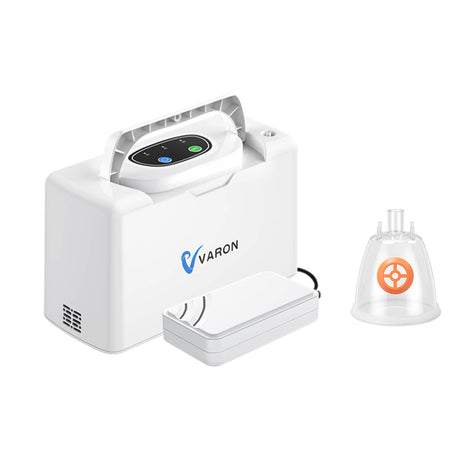
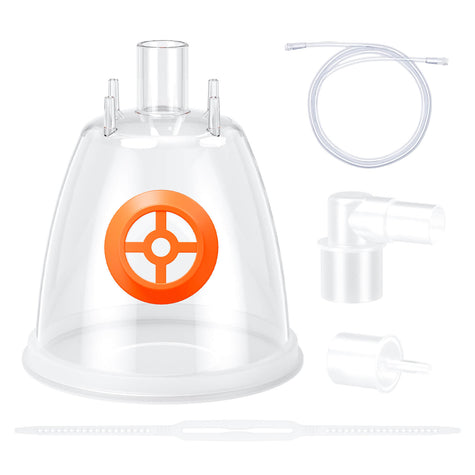
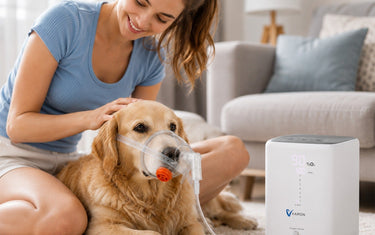
A well-proportioned canine oxygen mask creates a balanced seal around the snout without pinching or pressing into the eyes. Premium designs, such as the VARON pet oxygen mask, feature a soft silicone cushion that naturally fits different head shapes perfectly. This gentle contact point keeps the mask snugly in place to prevent air leaks, improving treatment efficiency while prioritizing animal comfort. Seeing a dog with oxygen mask equipment that fits well provides immediate reassurance during critical therapy sessions.
Understanding When Dogs May Need Supplemental Oxygen Support
Recognizing the early indicators of oxygen deprivation can be life-saving. Pets rely on subtle physical cues to signal that their lungs or heart are struggling to supply enough oxygen to their bloodstream.
Common Signs of Breathing Difficulties in Dogs
-
Rapid or Heavy Panting: Unexplained, persistent panting while at rest or in a cool environment.
-
Discolored Gums and Tongue: A shift from healthy pink to pale, bluish, or purple-tinted mucous membranes.
-
Postural Changes: Standing with legs spread wide and head stretched forward (orthopnea) to open up airways.
-
Abdominal Effort: Pronounced belly movement while inhaling or exhaling, signaling labored breathing.
-
Lethargy or Collapse: Sudden weakness, confusion, or inability to stand due to systemic oxygen deprivation.
Situations Where Oxygen Support May Be Recommended
Supplemental oxygen therapy is commonly prescribed for pets diagnosed with congestive heart failure, pulmonary edema, severe pneumonia, tracheal collapse, asthma, or trauma. Veterinary teams often recommend keeping a dedicated dog oxygen mask at home for rapid intervention during flare-ups.
Step-by-Step Guide: How to Measure for a Dog Oxygen Mask Size

To find the perfect dog oxygen mask size, you will need a soft tailor’s tape measure (or a piece of string and a standard ruler) and a few quiet minutes while your dog is calm.
1. Measure Muzzle Length (Tip of Nose to Stop)
Measure from the very tip of your dog's nose along the top of the snout to the "stop"—the distinct step down where the forehead meets the muzzle. For flat-faced breeds where the stop is minimal, measure to approximately half an inch below the eyes.
2. Measure Muzzle Circumference
Wrap the soft tape measure loosely around the thickest part of the muzzle, typically about half an inch in front of the eyes. Ensure the tape is comfortably snug but not tight; you should easily fit one finger beneath the tape.
3. Measure Head Breadth and Depth
For deep-chested or wide-jawed breeds, measure the distance across the widest part of the cheeks. This ensures the base of the mask won't pinch the corners of the mouth.
Pro Tip: If your dog falls between two sizes, always opt for the larger size—provided the soft-seal cushion covers the muzzle properly without touching or irritating the eyes.
General Sizing Reference Table
While exact dimensions vary slightly between manufacturers, the standard reference chart below helps guide selection based on muzzle parameters:
|
Mask Size |
Muzzle Length Range |
Muzzle Circumference |
Common Breed Examples |
|
Small (S) |
1.5" – 2.5" |
4.0" – 6.5" |
Chihuahua, Yorkshire Terrier, Shih Tzu, Toy Poodle |
|
Medium (M) |
2.5" – 3.5" |
6.5" – 9.5" |
Beagle, French Bulldog, Cocker Spaniel, Border Collie |
|
Large (L) |
3.5" – 5.0"+ |
9.5" – 14.0"+ |
Golden Retriever, German Shepherd, Labrador, Boxer |
When measuring compact breeds, choosing a dedicated small dog oxygen mask prevents the rim from reaching up to the eye area or weighing down a tiny snout.
Key Design Elements of Effective Oxygen Masks for Dogs

Proper measurement is only half the equation; structural engineering plays a crucial role in how well it delivers therapeutic gas. High-quality oxygen masks for dogs incorporate specialized features to optimize respiratory delivery:
-
Soft Silicone Cushion: A flexible, medical-grade silicone rim forms a comfortable airtight seal over varying facial contours without exerting painful pressure on delicate tissues.
-
Adjustable Silicone Strap: Secures the mask reliably behind the dog's ears or head without pulling fur, maintaining a continuous, hands-free fit during therapy.
-
Built-In Exhaust Vent: Essential for safety, an exhaust vent continuously releases exhaled carbon dioxide, preventing dangerous CO₂ rebreathing and ensuring safe, effective oxygen concentration delivery.
The VARON dog oxygen mask incorporates all three elements seamlessly. Paired with reliable pet oxygen concentrators, VARON systems provide pet owners and veterinarians with a trusted setup for delivering life-saving respiratory care in clinical or home environments.
How to Fit an Oxygen Mask on a Dog Without Causing Stress

Fitting an oxygen mask on a dog requires patience and gentle handling. Respiratory distress naturally heightens anxiety, so introducing equipment calmly is paramount.
-
Desensitize Before Use: If managing a chronic condition, introduce the unattached mask during calm moments. Offer treats and positive reinforcement near the mask.
-
Position Gently: Bring the mask toward the nose from below rather than above (which can feel threatening). Slip the silicone cup over the tip of the muzzle.
-
Adjust the Straps: Fasten the adjustable silicone strap behind the head. Ensure it holds the mask gently against the face without pushing heavily into the nose.
-
Verify the Seal and Exhaust: Check that the silicone cushion rests evenly along the muzzle sides and verify that the exhaust vent remains clear and unobstructed.
Dog Oxygen Mask vs. Oxygen Chamber: Which Option Is Better?
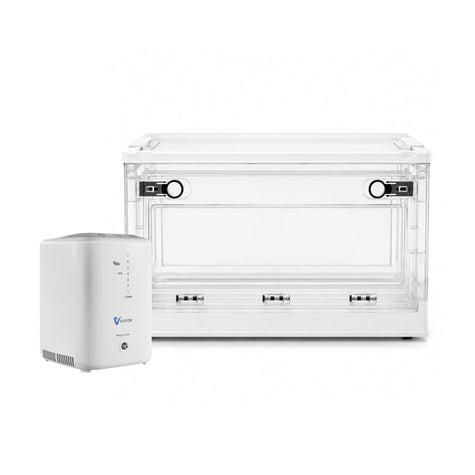
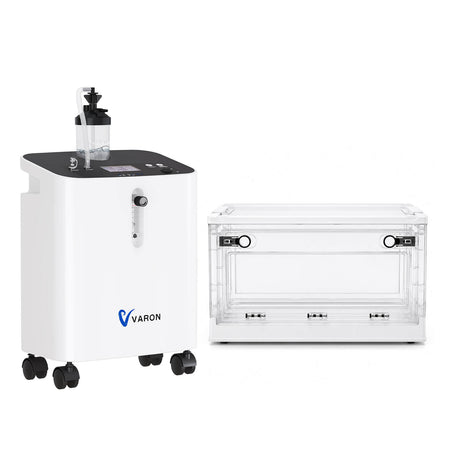
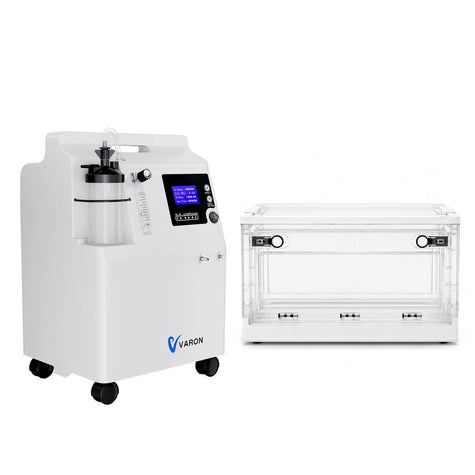
When evaluating delivery methods for oxygen mask dogs, pet owners often compare direct mask delivery with enclosed oxygen chambers or tents.
When to Use a Dog Oxygen Mask
A mask is ideal for targeted, high-concentration delivery, portable emergency use, and quick therapy sessions. It allows caregivers to maintain direct physical contact, which can reassure anxious pets during flare-ups.
When an Oxygen Chamber May Be More Suitable
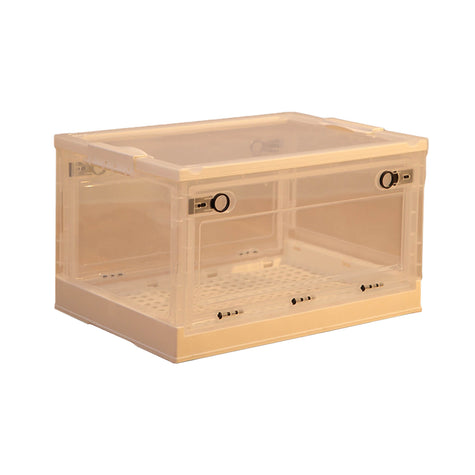
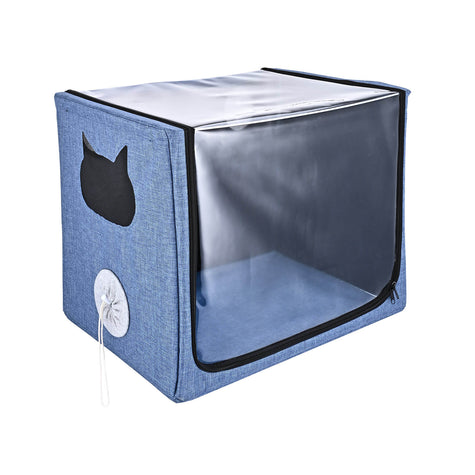
An oxygen chamber or tent works best for long-term, hands-free oxygen therapy or for pets that severely resist anything resting on their faces. However, chambers require more time to reach desired oxygen concentrations and are less portable than a mask setup.
Frequently Asked Questions
1. How do I know if my dog needs a pet oxygen mask at home?
A pet oxygen mask is used for respiratory distress caused by heart failure, tracheal collapse, asthma, or lung infections. Watch for heavy panting, gasping, or pale/blue gums, and always consult your vet first.
2. Can I use a human oxygen mask on my dog?
No. Human masks don't fit a dog's snout, causing oxygen leaks, diluted treatment, and dangerous carbon dioxide buildup due to missing pet safety vents.
3. What should I do if my dog is between mask sizes?
Choose the larger size. A slightly larger mask ensures the soft silicone cushion seals comfortably around the muzzle without pressing into the eyes or restricting jaw movement.
4. How do I clean a silicone dog oxygen mask?
Wash the silicone cup, straps, and exhaust vent with warm water and mild, fragrance-free soap. Rinse thoroughly and air-dry. Avoid harsh chemicals or alcohol that can degrade the silicone.
5. How can I make an anxious dog comfortable wearing an oxygen mask?
Let your dog sniff the unattached mask first during calm moments, offering treats and praise. Bring the mask from below eye level and adjust the straps so they are secure without pulling.
6. Can I DIY a dog oxygen mask?
No. Homemade masks lack safety exhaust vents to release carbon dioxide and soft silicone seals to prevent oxygen leaks. Always choose professional equipment like the VARON pet oxygen mask for safe, effective care.
Conclusion: Delivering Safe, Effective Home Oxygen Therapy

Choosing the correct dog oxygen mask size is one of the most critical steps in administering effective respiratory care for your canine family member. By accurately measuring muzzle length and circumference, choosing ergonomically designed equipment featuring soft silicone cushions and safety exhaust vents, and applying patient fitting techniques, you can ensure your dog receives maximum therapeutic benefits with minimal stress.
Get your dog an oxygen mask and use code 41A7WES1JE3A today to give your pet the comfortable, life-saving care they deserve.