










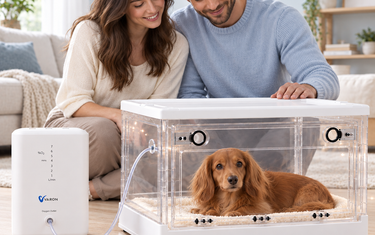
When a veterinarian recommends oxygen support for your dog or cat, the first questions are often practical: Where should the equipment go? What should you watch for? Pet oxygen safety starts with a written veterinary plan, compatible equipment, a suitable space, and attentive supervision.
Respiratory Care Week 2026 takes place October 25–31 and recognizes respiratory therapists in human healthcare. Although it is not a veterinary observance, it offers a timely reminder to review home oxygen support for pets and the routines behind it.
Supplemental oxygen can support selected pets, but it does not replace diagnosis, medication, or treatment of the underlying condition. A pet struggling to breathe needs urgent veterinary attention, even when oxygen equipment is available at home.
Start With a Veterinary Home Oxygen Plan
Confirm Whether Home Support Is Appropriate
The decision to provide oxygen therapy for pets at home depends on the animal’s condition and the care they require. Some dogs and cats need hospital monitoring, additional treatment, or respiratory support that a home setup cannot provide.
Your veterinarian should assess whether home care is appropriate and whether you can meet the monitoring requirements. This conversation should include your availability, your pet’s tolerance of the equipment, and access to emergency care.
Buying a concentrator does not establish that a pet is ready to leave the hospital.
Get Written Instructions Before Starting
Ask the veterinary team to demonstrate the complete setup, then explain the steps back to them. This gives everyone a chance to catch misunderstandings before you are managing the equipment alone.
Useful questions to ask a vet before home oxygen therapy include:
-
Which oxygen source and delivery method should we use?
-
What settings, session length, and frequency should we follow?
-
What observations should we record?
-
Which changes mean we should call or go straight to an emergency hospital?
-
When is the next reassessment?
Keep these instructions beside the equipment, along with daytime and after-hours phone numbers. There is no universal flow rate or treatment duration suitable for every pet.
Prepare a Safer Space for Pet Oxygen Support

Keep Smoking, Flames, and Heat Sources Away
Oxygen is not flammable, but it supports combustion, allowing materials to burn more readily. Keep smoking, vaping, candles, cooking flames, heaters, and other ignition sources away from the oxygen setup. Follow the equipment’s instructions for required clearances.
Avoid using oils, grease, petroleum-based products, or aerosol sprays around oxygen equipment. Ask your veterinarian about any topical products your pet needs near the delivery interface. Household oxygen safety guidance specifically warns about combustible products and ignition sources.
Protect Airflow, Tubing, and Electrical Connections
Choose a stable location where the concentrator’s intake and exhaust remain unobstructed. Curtains, blankets, furniture, and accumulated pet hair can interfere with airflow.
Route tubing away from doorways and places where pets might chew or become tangled in it. Follow the electrical instructions, including any restrictions on extension cords or power strips.
For example, a corner beside the sofa may seem convenient until you notice that a curtain covers the concentrator and tubing crosses the walkway. Moving the equipment to an open, protected area makes supervision and access easier.
Remember that room ventilation, concentrator airflow, and chamber ventilation serve different purposes. An open room does not compensate for blocked chamber vents.
Check That the Oxygen Equipment Works as One System
Match the Oxygen Source to the Delivery Method
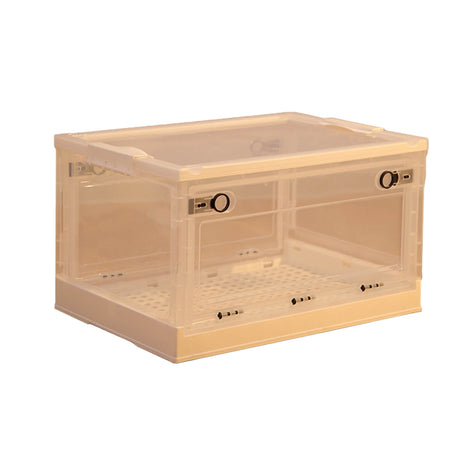
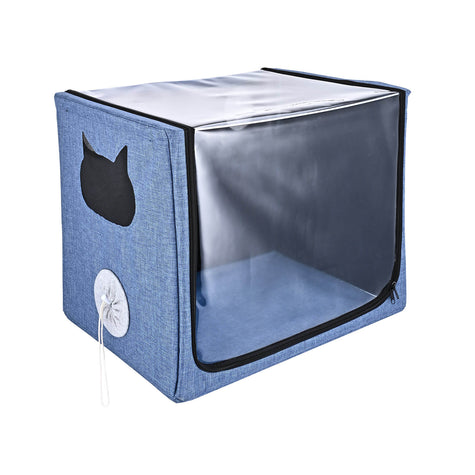
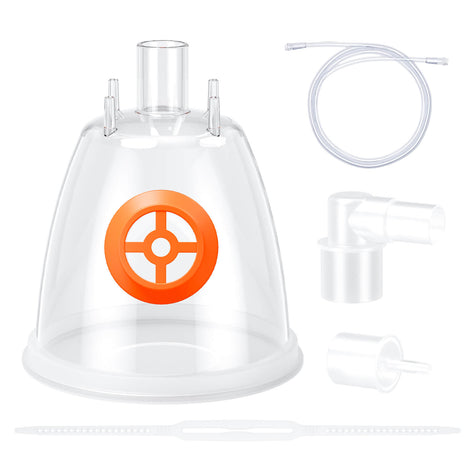
A concentrator extracts oxygen from room air and requires power. A cylinder holds a finite oxygen supply. A chamber provides an oxygen-enriched space, while a mask delivers oxygen near the face.
These components must work together according to the veterinary plan. A mask may be poorly tolerated by an anxious pet, and a chamber requires appropriate ventilation and environmental monitoring.
If you already own a human oxygen concentrator, ask your veterinarian and equipment supplier to review the exact model. Its delivery mode, output, connections, and compatibility with the proposed interface all matter.
Understand Flow, Concentration, and Ventilation
Three terms help explain how to choose compatible pet oxygen equipment:
|
Term |
What it means |
|
Flow rate |
The volume of gas supplied per minute, usually measured in L/min. |
|
Oxygen concentration |
The percentage of oxygen in the supplied gas or measured environment. |
|
Chamber ventilation |
Gas exchange that helps manage exhaled carbon dioxide, heat, and humidity. |
The concentration leaving a pet oxygen concentrator is not automatically the concentration inside a chamber. Chamber design, size, ventilation, and opening the door affect conditions around the pet. Never block required vents or improvise a sealed enclosure to retain more oxygen. Temperature, humidity, and ventilation are essential considerations in oxygen-cage use.
Compare Practical Requirements Before Buying

When considering a home pet oxygen concentrator, review its performance at the specific setting your veterinarian requires.
For example, the VARON VH-3 Home Pet Oxygen Concentrator offers continuous operation, adjustable flow from 1–7 L/min, and a listed oxygen concentration range of 28%–90%. Those ranges should not be read as a promise of 90% oxygen at every flow setting. Confirm the output at the prescribed setting before pairing it with a delivery system.
The VARON Serene 3 Pet Oxygen Concentrator lists continuous flow from 1–10 L/min, with 93% ±3% oxygen at 1–3 L/min and different concentration performance at higher flows. Review its setting-specific output and proposed chamber or mask connection with your veterinary team.
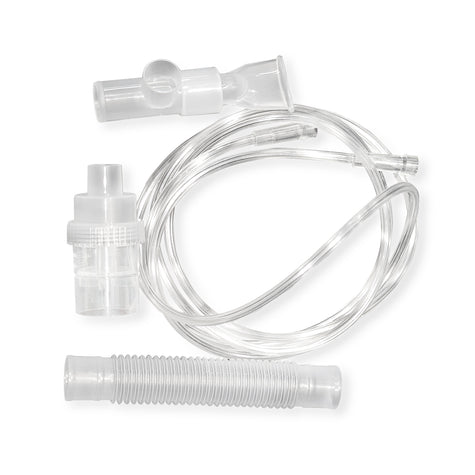
Features also need a purpose. The VH-3 includes nebulizer functionality, but nebulization requires separate veterinary instructions; do not add medications or solutions without approval. Likewise, use the Serene 3’s humidifier bottle only when appropriate and according to the manual and veterinary guidance.
Before purchasing, consider:
-
Compatible chambers, masks, tubing, and connectors.
-
Available alarms and what each one means.
-
Cleaning, replacement parts, and servicing.
-
Power requirements and backup arrangements.
-
Total costs, including accessories, electricity, and follow-up care.
The highest advertised output is less useful than a setup that meets the complete care plan.
Build a Before, During, and After Oxygen Routine
A consistent home oxygen routine for pets reduces the number of decisions you need to make during each session. Keep it short enough that every caregiver can follow it reliably.
Before Each Session: Check the Plan and Setup
Use the written instructions rather than relying on memory. Confirm the prescribed setting, inspect tubing and connections, and check for visible damage or obstruction.
Follow the model’s startup instructions and confirm that the equipment is operating as expected before beginning treatment. Keep your observation record within reach.
During Each Session: Supervise Your Pet
Watch your pet’s breathing and behavior throughout treatment, rather than relying only on the machine’s display.
Ask your veterinarian to demonstrate the observations they want you to make. These may include breathing effort, resting respiratory rate, posture, and ability to settle. Follow chamber instructions for checking temperature, humidity, and ventilation.
Whether providing oxygen therapy for dogs or cats at home, do not assume that stillness always means comfort. Veterinary home-care guidance emphasizes close monitoring and advises that pets should not be left unsupervised in oxygen cages.
After Each Session: Record, Clean, and Store
Record the session time, prescribed setting, and relevant observations. A note such as “rested comfortably, then became restless near the end” is more useful than “seemed okay.”
Follow the instructions for shutting down, cleaning, drying, and storing each component. Masks, chambers, filters, tubing, and humidifier bottles may have different care requirements. Do not immerse the concentrator or put cleaning products into parts that carry oxygen.
Keep maintenance reminders separate from treatment notes so equipment tasks remain easy to track.
|
Stage |
Quick check |
|
Before |
Confirm instructions, inspect connections, and complete startup checks. |
|
During |
Supervise your pet and follow the prescribed monitoring plan. |
|
After |
Record observations and follow shutdown, cleaning, and storage instructions. |
Know When Home Oxygen Support Is Not Enough
Recognize Changes That Need Emergency Care
Seek immediate veterinary care for severe breathing difficulty, collapse, unresponsiveness, or blue or gray gums. Open-mouth breathing in a cat is also an urgent warning sign. Do not wait for several symptoms to appear together.
If your pet is deteriorating, contact the emergency hospital and follow its transport instructions. Avoid delaying departure to adjust equipment repeatedly or complete a treatment session.
Report Increasing Oxygen Needs or Poor Tolerance
Contact your veterinarian if your pet seems to need oxygen more often, benefits less than before, or has increasing difficulty tolerating treatment. An increased need for home oxygen warrants veterinary contact.
Follow the agreed escalation plan rather than independently increasing flow or extending sessions. Continue prescribed medications unless the veterinary team changes them.
Plan for Alarms, Power Loss, and Caregiver Changes
Agree on a Backup and Transport Plan

Decide what to do if a pet oxygen concentrator stops working before an interruption occurs.
Review the alarm instructions with the supplier and ask the veterinarian what backup arrangements your pet requires. Confirm whom to call, when transport is necessary, and whether an alternative oxygen supply is appropriate.
Troubleshoot only as directed by the manual. A deteriorating pet needs medical attention, even if you suspect the problem began with the equipment.
Make Caregiver Handover Simple
A second caregiver should be able to find the current instructions without searching through text messages.
Keep one shared record containing:
-
Prescribed settings and session instructions.
-
Completed sessions and observations.
-
Medication information relevant to the care plan.
-
Veterinary and equipment-support contacts.
-
Backup and transport arrangements.
For example, when an evening caregiver takes over, they can check the record for the last session and any changes already reported to the vet. This reduces guesswork and unnecessary repetition.
Arrange supervision before planning overnight support. Quiet equipment does not remove the need for monitoring.
Frequently Asked Questions About Pet Oxygen Safety
Can I Leave My Pet Alone in an Oxygen Chamber?
No. Arrange attentive supervision and follow the veterinary team’s and manufacturer’s monitoring instructions.
How Long Can a Pet Stay in an Oxygen Chamber?
There is no universal duration. Follow your pet’s treatment plan and the chamber’s operating instructions, including required environmental checks.
What if My Pet Becomes Anxious During Oxygen Therapy?
Avoid forcing the mask or continuing a struggle. Contact the veterinary team about a better-tolerated approach. Anxiety accompanied by worsening breathing requires urgent attention.
Use Respiratory Care Week to Review Your Pet’s Routine
Take a few minutes to check three things: whether the veterinary instructions are current, whether the home oxygen support for pets is in good condition, and whether each caregiver understands what to do.
Respiratory Care Week 2026 offers a reason to check those details together. Clear instructions and a manageable routine support pet oxygen safety throughout the year, helping you care for your pet with greater confidence and recognize when it is time to seek help.