



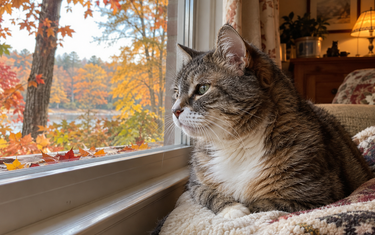
When autumn arrives, households across the country turn on central heating, shut windows against the chill, and adjust to cooler weather. As our feline companions age, these environmental shifts can significantly impact their daily well-being. Practicing effective senior cat care in fall involves creating warm, accessible resting places, assessing indoor humidity levels, ensuring easy access to daily resources, and closely observing subtle changes in behavior.
While every older cat handles seasonal shifts differently based on their health, mobility, and local climate, the goal remains the same: supporting their daily comfort safely. Keep in mind that while minor stiffness or a preference for warmer spots can be managed with home adjustments, any sudden or severe changes—especially breathing difficulty or respiratory distress—require urgent veterinary attention rather than home environmental tweaks.
What Changes for Senior Indoor Cats in Fall?
Indoor Heating, Closed Windows, and Changing Routines

As fall settles in across the United States, home environments undergo noticeable changes. Radiators, central heating vents, and space heaters click on, while sealed windows reduce natural air circulation. These updates alter where warm air pools, create subtle floor-level drafts, and shift the cozy microclimates your cat relies on for resting.
|
Regional Climate Variations |
|
|
Pacific Northwest / Coastal Areas |
Northeast / Midwest |
|
|
Because autumnal weather varies widely across different US regions—from damp, mild coastal days in the Pacific Northwest to crisp, freezing nights in the Midwest—it is essential to evaluate the specific room conditions inside your home rather than relying strictly on the calendar.
Your Cat’s Health and Mobility Shape Their Needs
Veterinary guidelines from organizations like the American Association of Feline Practitioners (AAFP) generally class cats over 10 years of age as senior. However, age itself is not a health diagnosis. Individual health status and physical mobility dictate what a senior cat needs during seasonal transitions.
Thoughtful fall care for senior cats requires recognizing that aging bodies lose muscle mass, joint flexibility, and skin elasticity over time. When providing older cat care in cold weather, avoid assuming that every new sign of slowing down is simply "old age." Approaching indoor senior cat care with a focus on individual health helps ensure that medical issues like osteoarthritis or kidney disease are properly diagnosed rather than overlooked as seasonal sluggishness.
How to Keep an Older Indoor Cat Warm Safely
Choose Warm, Accessible Resting Places
As cats age, their ability to regulate body temperature decreases, making them seek out additional warmth. However, placing a bed directly against a hot baseboard heater or radiator poses serious safety risks.
To optimize resting spots when focusing on keeping senior cats warm:
-
Avoid Drafts and Direct Heat: Position beds away from drafty exterior doors, chilly window sills, and directly blowing heating vents.
-
Remove Jump Barriers: If your cat’s favorite spot is a high windowsill or sofa, place a stable pet ramp or step stool nearby so they do not have to jump.
-
Relocate Beds: A practical example of creating accessible cat beds is moving a favorite fleece bed off a cold tile floor and setting it on a sturdy, low wooden platform or rug a few feet away from a warm air vent.
Compare Ordinary Bedding, Self-Warming Beds, and Heated Beds
Choosing the right senior cat bedding involves weighing warmth, accessibility, safety, and cleaning requirements. When evaluating options, consider how easily an older cat with stiff joints can step into and out of the bed.

|
Bedding Type |
Warmth Mechanism |
Safety & Electricity |
Accessibility |
Cleaning & Care |
|
Standard Padded Bed |
Retains natural body heat via dense foam or faux fur. |
No electrical connection; zero fire or burn risk. |
Best with low-profile, open fronts for easy entry. |
Machine washable; simple to maintain. |
|
Self-Warming Bed |
Reflects the cat's own body heat using interior thermal layers. |
Completely cord-free; no electricity required. |
Available in varied wall heights and soft-sided pads. |
Washable cover; do not puncture inner thermal film. |
|
Electric Heated Bed |
Internal heating element maintains a constant low warmth. |
Requires low-voltage cords, UL safety certification, and constant supervision. |
Choose flat pads over deep walls so the cat can step off easily. |
Removable covers; electric components must stay dry. |
Safety Note: When asking whether heated cat beds are safe for older cats, the answer depends on mobility and product standards. Always choose pet-specific, low-voltage heating pads rather than human heating pads. Practice safe heating for cats by ensuring your pet can independently stand up and walk away from the heat source at any time to prevent thermal burns or overheating.
Let Your Cat Choose a Cooler Spot
Provide an unheated resting option nearby. A cat should be able to leave the warm area without climbing over furniture or navigating a slippery floor.
For safe heating, keep bedding away from fireplaces, radiators, and space heaters. Follow appliance clearances and keep routes through the room open. The goal is to provide comfortable places to rest.
Dry Air and Cats: What Indoor Heating Can Change
Understand Relative Humidity
A common misconception regarding indoor heating and cats is that home heating systems physically extract moisture from the air. In reality, when cold outdoor air enters a home and is heated, its relative humidity drops because warm air has a much higher capacity to hold moisture than cold air.

Understanding dry air and cats also means distinguishing between dry ambient air and oxygen availability; lower humidity simply means less ambient water vapor in the atmosphere—it does not alter room oxygen levels.
Check Humidity Before Making Changes
Before rushing out to buy a humidifier, take a few days to measure your home’s actual conditions with a digital hygrometer rather than relying on how warm or dry the air feels. Set up the device according to its instructions—keeping it well away from direct mist or heating vents that could skew the numbers—and monitor the readings over several days to spot real trends.
As a general rule of thumb, the U.S. Environmental Protection Agency (EPA) recommends keeping indoor relative humidity between 30% and 50% for optimal home comfort. Keep in mind, though, that EPA standards are general air-quality benchmarks for human households, not a tailored medical target for feline health. If your senior cat has a diagnosed health condition, always consult your veterinarian to determine the ideal climate adjustments for their individual needs.
Avoid Assuming Every Skin Change Comes From Dry Air
When assessing cat dry skin in winter, owners often suspect that dry ambient air is the sole cause of flaky skin or dull coats. While low humidity can exacerbate skin dryness, asking if indoor heating causes dry skin in cats reveals only part of the story.
If you are wondering, "Is dry air bad for older cats?" remember that dandruff, excessive scratching, or a brittle coat can also stem from underlying medical conditions such as thyroid imbalance, kidney disease, skin infections, or reduced self-grooming due to arthritic pain. If you notice persistent skin changes, consult your veterinarian for an accurate diagnosis rather than relying solely on environmental tweaks.
Should You Use a Humidifier for Your Senior Cat?
Decide Whether Added Humidity Is Needed
If you’re asking, “Should I use a humidifier for my senior cat?” your first step should always be checking your hygrometer readings. Adding moisture can improve general room comfort if your indoor humidity consistently drops below 30%, but it's unnecessary if your home already stays within a balanced range. Remember that while a humidifier adds water vapor to the air, it is purely an environmental tool—not a medical cure or treatment for underlying respiratory conditions like feline asthma or coughing. If your cat is experiencing respiratory changes, always consult your veterinarian to determine if supplemental humidity is appropriate for their specific care plan.
Plan for Cleaning, Water, and Safe Placement
If you choose to use a humidifier, proper operation and hygiene are paramount:
-
Daily Maintenance: Empty the water tank, rinse, and refill with fresh distilled water daily to prevent mineral buildup and mold growth.
-
Weekly Disinfection: Follow the manufacturer's instructions to sanitize the tank using diluted white vinegar.
-
Safe Placement: Place the device on a flat, stable, elevated surface away from electrical outlets, cat bedding, and main walking routes. Secure all power cords so they cannot be chewed or tripped over.
Watch for Condensation and Damp Surfaces
When using a humidifier, remember that excessive moisture can create new environmental hazards around the home. If you notice window condensation, damp carpets, or moisture pooling near the unit, turn down the output immediately. Maintaining high humidity levels above 50% encourages dust mite proliferation and mold growth, both of which can negatively affect indoor air quality for you and your cat.
Make Water, Food, and Litter Boxes Easier to Reach
Place Essentials Along Familiar Routes
An important part of senior cat care in fall is checking whether a comfortable resting place has become separated from everything else the cat needs.

If your cat spends most of the day upstairs, a water bowl available only in the kitchen may be inconvenient. Consider an additional drinking station and an accessible litter box on the level they use most. Keep feeding and drinking areas separate from litter facilities.
Watch for obstacles: stairs, slick flooring, a high litter-box entrance, or another pet blocking a doorway. Senior-home guidance recommends adapting resource locations to mobility and household dynamics.
Notice Changes in Eating, Drinking, and Litter-Box Habits
Supporting senior cat hydration includes offering clean, accessible water and noticing changes from the cat’s usual pattern. Increased thirst deserves attention just as reduced intake does.
Keep a simple record if something changes: meals eaten, water-bowl refills, or unusual litter-box habits. These observations help a veterinarian assess the problem. Avoid changing a prescribed diet, giving extra fluids, or adding supplements without advice.
Support Grooming, Gentle Movement, and Predictable Routines
Offer Gentle Grooming Help
Maintaining proper senior cat grooming habits becomes challenging when spinal stiffness or joint pain prevents a cat from reaching its lower back or hindquarters, as physical discomfort is often the underlying reason for a change in their routine.
Help your cat maintain coat health by offering short, daily brushing sessions using a soft-bristled brush or grooming glove. Watch for new mats, skin sensitivity, or flaking skin, and brush gently around tender joints.
Adapt Play and Access to Favorite Places
Promoting everyday senior cat comfort involves adapting daily activity rather than stopping it altogether:
-
Low-Impact Play: Engage your cat with slow-moving wand toys at ground level to encourage joint movement without demanding high jumps.
-
Preserve Routines: Keep feeding times, brushing sessions, and rest periods consistent to lower stress.
-
Provide Ramps: Install stable ramps or low steps leading to favorite windowsills, sofas, or beds.
When Should You Contact Your Veterinarian?
Report Persistent Skin, Appetite, Mobility, or Behavior Changes
Environmental adjustments can make a home more comfortable, but they do not replace professional medical care. Track subtle changes and contact your veterinary team when persistent symptoms arise.
|
Observation |
Useful Information to Record |
Recommended Next Step |
|
Flaky or dry skin / dull coat |
Location of flaking, scratching frequency, grooming habits. |
Schedule a routine vet check; discuss diet and skin health. |
|
Reduced mobility or stiffness |
Difficulty jumping, hesitation on stairs, altered gait. |
Schedule an exam; discuss pain management and joint support. |
|
Changes in appetite or thirst |
Water bowl refill frequency, amount of food left behind. |
Schedule a prompt checkup to test kidney and metabolic function. |
|
Litter box accidents |
Frequency, location, box entry height, posture while urinating. |
Contact your vet to rule out urinary tract issues or joint pain. |
Treat Breathing Difficulty as Urgent
While dry indoor air can cause mild discomfort, respiratory distress is always a medical emergency. Difficulty breathing—such as open-mouth breathing, rapid shallow breaths, wheezing, or exaggerated abdominal movement—requires immediate emergency veterinary care. Never attempt to resolve breathing problems at home by adjusting humidifiers, room heaters, or purchasing non-prescribed equipment.
When Might Home Oxygen Be Part of a Senior Cat’s Care?
Oxygen Support Requires an Individual Veterinary Plan

Aging and dry indoor air do not create a need for supplemental oxygen. Home oxygen therapy is a specialized medical intervention reserved strictly for pets diagnosed with specific, severe respiratory or cardiovascular conditions, such as advanced heart failure or pulmonary disease.
The process always begins with a formal clinical diagnosis from your veterinarian, who will establish a prescribed care plan detailing the exact flow rate, session duration, and delivery method. Once that plan is in place, you can proceed with the equipment setup—pairing an oxygen supply with a sealed chamber or mask—and administer the treatment under continuous supervision to keep your pet safe.
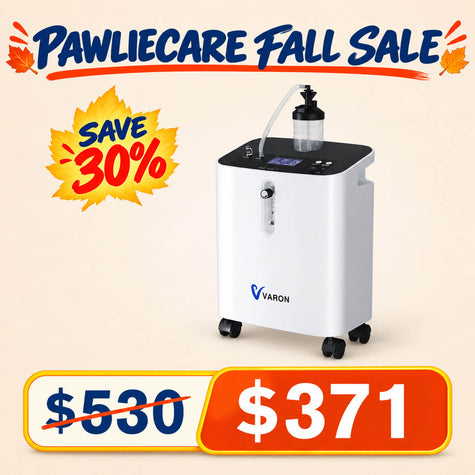
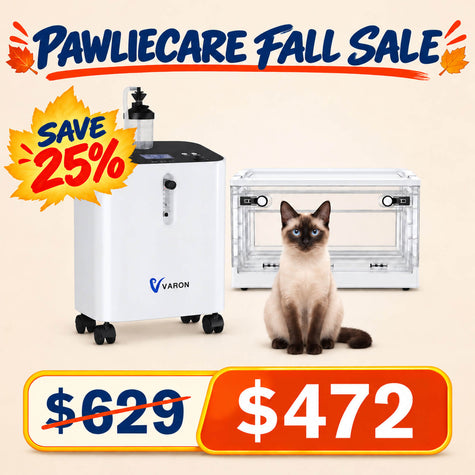
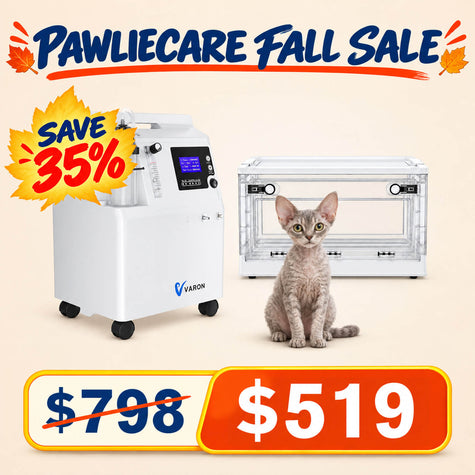
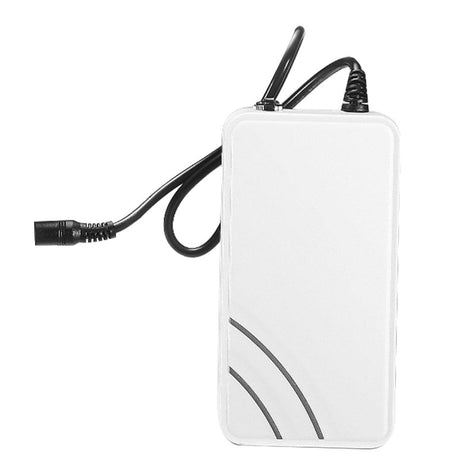
When prescribed, a pet oxygen concentrator for senior cats takes ambient air, filters out nitrogen, and delivers concentrated oxygen. Medical equipment like the VARON VH-3 Home Pet Oxygen Concentrator, as seen in the image above, provides adjustable flow settings (1–7 L/min) and operates quietly (≤42 dB) to deliver low-stress supplemental oxygen at home. Because flow rates and delivery methods must strictly match your cat's specific care protocol, therapy should always be managed under direct veterinary guidance.
Questions to Ask Before Considering Equipment
Before arranging home oxygen for a senior cat, ask these essential questions during your consultation:
-
Is my cat stable and suitable for home oxygen care?
-
Which machine, delivery system, settings, and session duration are required?
-
What supervision and monitoring are necessary?
-
Which signs mean we should seek emergency care?
-
What is the plan for equipment failure or a power outage?
-
What are the full equipment, maintenance, and electricity costs?
Your veterinarian's answers will guide your care routine and equipment choices. For setup details, consult a pet oxygen concentrator guide or an oxygen chamber setup guide.
Your Senior Cat’s Fall Comfort Checklist
Use this quick checklist to practice effective senior cat care in fall and learn how to keep a senior cat comfortable in fall:
-
Bedding: Place padded, accessible beds in warm spots away from direct drafts and hot radiator surfaces.
-
Thermal Choices: Ensure your cat can freely move away from heat sources to a cooler room whenever they choose.
-
Humidity Monitoring: Use a digital hygrometer to keep room relative humidity between 30% and 50%.
-
Humidifier Care: If using a humidifier, clean and refill it daily with fresh distilled water.
-
Accessibility: Position food, water, and low-sided litter boxes on the main living floor along non-slip pathways.
-
Grooming Support: Offer short, gentle daily brushing sessions to help maintain coat health and monitor for skin flaking.
-
Veterinary Oversight: Contact your veterinarian promptly if you notice changes in mobility, appetite, grooming, or behavior—and seek immediate emergency care for any breathing difficulties.
Conclusion

Creating a comfortable home environment for an aging feline companion during autumn comes down to thoughtful observation and practical adjustments. By providing safe warmth, monitoring room humidity, improving access to daily essentials, and assisting with grooming, you can master senior cat care in fall and significantly enhance your pet's daily quality of life.
Remember that effective seasonal care requires treating your cat as an individual whose health needs evolve over time. If you notice persistent changes in behavior, appetite, skin health, or mobility, reach out to your veterinarian for personalized guidance and medical support.