




Cats are masters at hiding discomfort. Because they instinctively mask their vulnerabilities, it is often up to us to notice subtle physiological shifts before they escalate into medical emergencies. One of the most critical health indicators you can monitor at home is how your pet inhales and exhales. If you suddenly notice your cat breathing fast, it can be alarming, but understanding what is normal versus what signals distress can give you peace of mind and protect your feline companion.

Understanding Feline Respiration: What Is Normal?
Before determining if there is a problem, you need a baseline. A healthy cat's respiratory rate during rest typically falls between 15 to 30 breaths per minute.
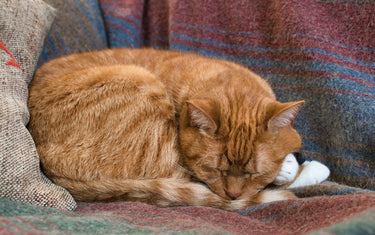
Temporary spikes are entirely normal if your cat has just finished sprinting down the hallway, is experiencing intense excitement, or is stressed by a sudden loud noise. However, if your cat is completely relaxed, sleeping, or resting quietly and their breathing remains noticeably elevated, it is time to investigate more closely.

Step-by-Step Guide: How to Check Resting Respiratory Rate
To get an accurate assessment, you must evaluate your cat when they are truly calm—ideally while sleeping or deeply resting.
1. Find the right moment: Ensure deep rest.
Wait until your cat is completely relaxed or asleep. Do not try to measure this right after play, meals, or a stressful event.
2. Observe the chest movement: Count the cycles.
Watch your cat’s chest or abdomen rise and fall. One full rise (inhalation) and one full fall (exhalation) count as exactly one breath.
3. Set a timer: 30-second count.
Use a stopwatch or your phone to count the number of breaths that occur over a 30-second window.
4. Calculate the final rate: Multiply by two.
Multiply that number by two to get the total breaths per minute (bpm). For example, if you counted 12 breaths in 30 seconds, your cat's resting rate is 24 bpm, which is perfectly healthy.
If the final calculation consistently exceeds 30 to 40 breaths per minute while sleeping, your cat's breathing fast points to a potential underlying issue that warrants professional veterinary advice.
Common Reasons for Accelerated Breathing in Cats
When high respiratory rates become chronic, several underlying health conditions could be the culprit. Feline asthma, congestive heart failure, fluid accumulation in the chest cavity (pleural effusion), or upper respiratory infections are common clinical drivers.

In these situations, the lungs struggle to process oxygen efficiently, forcing the body to compensate by increasing the breathing rate to keep vital organs functioning.
Shop a pet oxygen concentrator with code 41A7WES1JE3A today for instant respiratory comfort.

At-Home Respiratory Support: Exploring Supplemental Oxygen
For cats dealing with chronic respiratory ailments, senior age challenges, or post-surgical recovery, veterinarians sometimes suggest supportive care at home. This is where advanced medical equipment can play a role under strict professional supervision.
An oxygen machine for cat care can assist in delivering a steady supply of purified air during times of mild to moderate respiratory fatigue. Many pet parents look into a home oxygen concentrator to avoid frequent, stressful trips to the veterinary clinic for stable, ongoing conditions.
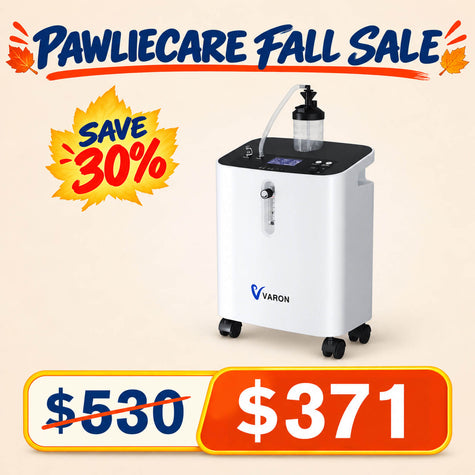
When evaluating an oxygen concentrator for home use, it is crucial to balance medical efficacy with your pet's emotional comfort. Devices like the VH-3 home pet oxygen concentrator are specifically tailored for domestic pet management.

Why Equipment Design Matters for Feline Care
-
Adjustable Output: The VH-3 offers a flexible 1–7 L oxygen flow, allowing you to fine-tune the settings to match your vet's exact recommendations.
-
Stress Minimization: Cats are highly sensitive to sound. A loud machine can increase anxiety, raising their heart and breathing rates further. An oxygen concentrator for cat support needs to be quiet; the VH-3 operates at a low noise level of <42 dB(A) to keep recovery spaces peaceful.
-
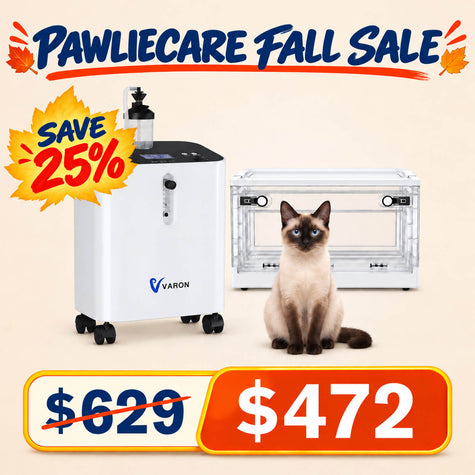
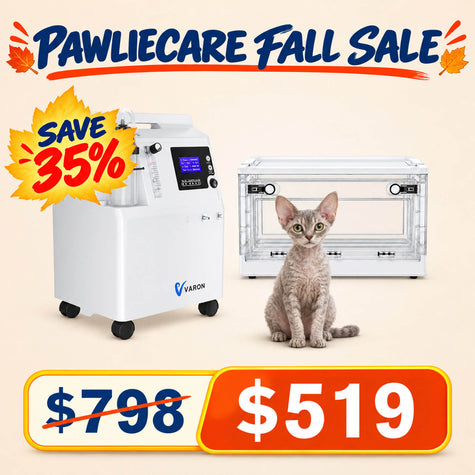
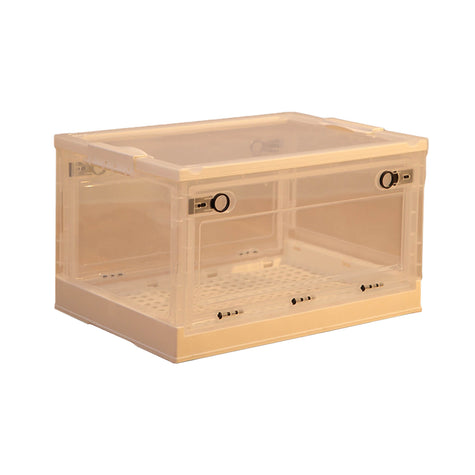
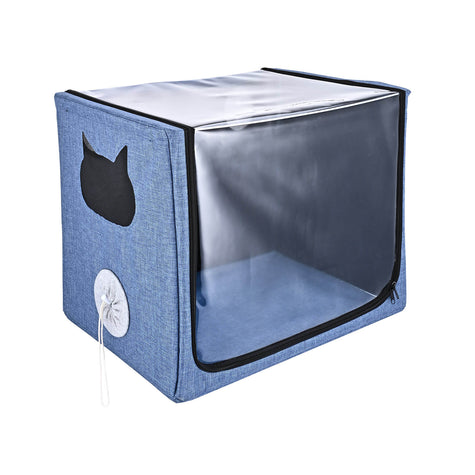
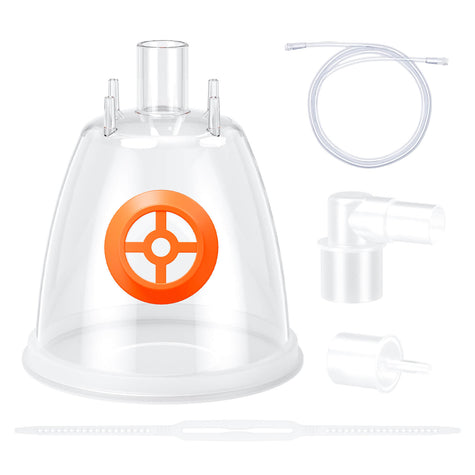
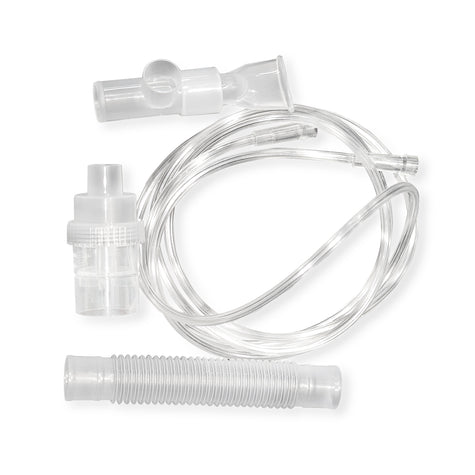
Versatility: This specific oxygen concentrator for pets features a dual-purpose design with a built-in nebulizer function (atomization rate ≥ 0.2 ml/min), making it easier to administer prescribed liquid medications directly into the breathing stream if your cat suffers from asthma. It is also fully chamber-compatible, meaning it can easily attach to an enclosed oxygen tent so your cat doesn't have to tolerate a restrictive face mask.

Conclusion
Noticing your cat breathing fast is a cue to pause, observe, and take action. By mastering the simple technique of checking their resting respiratory rate, you can act as an effective first line of defense for your pet's health. While setup solutions like a specialized pet oxygen machine for cat care can provide incredible comfort and stabilization for chronic conditions at home, always remember that equipment should complement—never replace—veterinary expertise. Keep a close eye on those chest movements, maintain a calm environment, and always consult your vet at the first sign of persistent breathing changes.
Get your pet oxygen concentrator with code 41A7WES1JE3A now to help your cat breathe easy.