



The first cool morning can change a senior pet’s routine in small ways. A dog may hesitate before stepping onto a damp path. A cat may choose the warmest corner of the house and visit the water bowl less often. A senior pet wellness checklist helps you notice these shifts, make home life easier, and know when a change deserves a call to the veterinarian.
Age alone does not tell you what your pet needs. Start with their usual habits, then use the fall pet care tips below to see what has changed. You do not need to finish every box in a day: check the home setup this week, keep the daily observations going, and bring any concerns to your veterinarian.
Make the House Easier to Navigate
Give Resting Spots a Fall Refresh

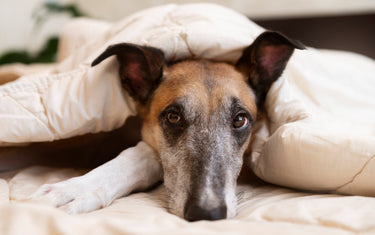
Check where your pet actually sleeps, not just where you placed their bed. If a draft now reaches their favorite spot, move the bed to a warmer, dry area that is still easy to reach. A supportive bed can make it easier for a stiff dog to settle. Add a blanket your pet can move away from if they get too warm; heating pads can burn sleeping pets, especially those who struggle to rise. For a cat who no longer jumps onto a favorite chair, offer a low resting place nearby.
Put nonslip mats along routes to food, water, and the door. Keep walkways clear and consider a ramp or a lower step if your pet struggles with stairs. Changes in mobility are worth discussing with a vet; slowing down is not always simply part of getting older.
Home comfort checklist
☐ Move the bed away from drafts and check that your pet can get into it easily.
☐ Add traction on slippery routes; give cats an easy path to a low-entry litter box.
☐ Keep furniture in familiar places if sight is fading, and add a night-light where your pet walks after dark.
☐ Note any new difficulty rising, jumping, climbing stairs, or settling down.
Adjust Outings to the Pet in Front of You
A shorter walk with time to sniff may suit an older dog better than a long walk in chilly rain. Dry damp paws and fur when you come inside, and notice whether your dog seems stiffer afterward. Indoor play, a food puzzle, or gentle interaction can give cats and dogs something to do when the weather limits outdoor time. Ask your vet what activity is appropriate if your pet has arthritis, heart disease, or another ongoing condition.
Keep Water Within Easy Reach

Hydration belongs on every senior pet wellness checklist, even when the weather feels cool. Place clean water close to your pet’s usual resting areas so sore joints or stairs do not become a barrier. Check the bowl during the day: Did they drink? Did you refill it more often than usual? For cats, a second bowl in a quiet location may be useful if another pet guards the main water station. Some cats prefer a water fountain; others may take in more water through wet food or a little water added to meals. Check with your veterinarian before changing the diet of a pet with a medical condition.
Food provides another clue. Record a noticeable change in appetite, the amount left in the bowl, or difficulty chewing. If your veterinarian recommends a change in food or added moisture, follow their advice for your pet’s condition. Avoid guessing how much a pet with kidney or heart disease should drink; a sudden increase or decrease in thirst, especially with a change in urination, calls for veterinary guidance.
Food and water checklist
☐ Refill water daily and keep bowls within easy reach.
☐ Notice changes in thirst, appetite, weight, or urination and record when they began.
☐ Ask your vet whether the current food and portions still suit your pet’s weight and medical needs.
Make Daily Observation a Five-Minute Habit

The best senior pet wellness checklist is one you will actually use. Pick a consistent time, perhaps breakfast or the last outing of the day, and look for changes in a few familiar behaviors:
-
Movement: Can your pet rise, walk, jump, and settle as they usually do?
-
Eating and drinking: Are meals and water disappearing at the usual pace?
-
Toileting: Has the frequency, location, or appearance changed?
-
Mood and sleep: Is your pet unusually withdrawn, restless at night, or confused in familiar rooms?
-
Breathing: When resting calmly, does breathing look comfortable, without unusual effort or a new persistent cough?
- Coat and mouth: Is there new matting, a lump, sore skin, bad breath, or reluctance to chew?
Write down what you see and when it began. If your pet has a heart or breathing condition, ask your veterinarian whether to record their sleeping breathing rate: count each rise of the chest for one minute when they are asleep and relaxed, then note any change from their usual pattern. A short video of a new limp or cough can also help you explain it at an appointment. Patterns over several days are often easier to recognize than a single vague impression.
As you brush your pet, check the coat and skin without pulling at sore areas. Keep nails at a comfortable length so feet grip the floor, and mention a sudden decline in grooming or a new lump to your vet. If your pet bumps into familiar objects or startles when approached, note that too; changes in sight or hearing can alter how safely they move around the house.
Seek urgent veterinary care for labored breathing, open-mouth breathing in a cat, blue-tinged gums, or collapse. Do not wait for your observation log to fill up or try to manage sudden breathing trouble at home.
Where Oxygen Support Fits in a Fall Care Plan

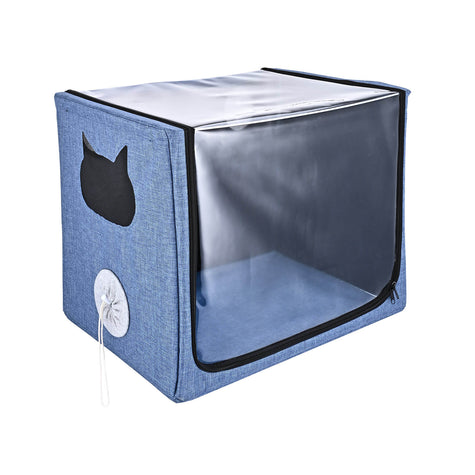
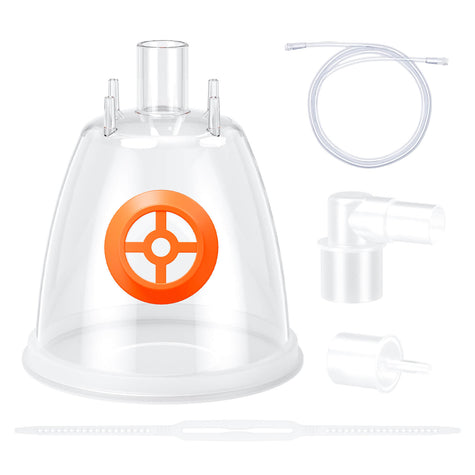
Most senior pets do not need supplemental oxygen. If your veterinarian has recommended oxygen therapy for senior pets after examining your dog or cat, ask for a written plan: the prescribed delivery method, settings, session schedule, how to monitor your pet, and when to seek emergency care. Home oxygen for senior pets should follow that plan; a machine cannot diagnose or treat the cause of a new breathing problem on its own.
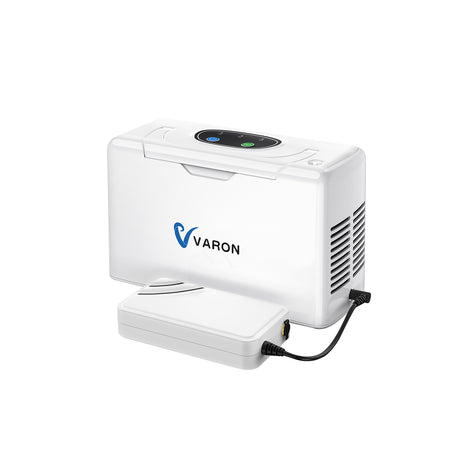
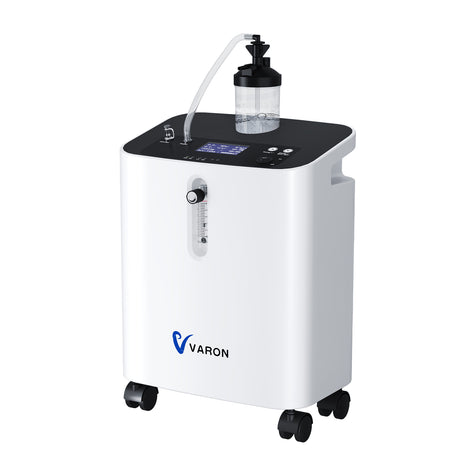
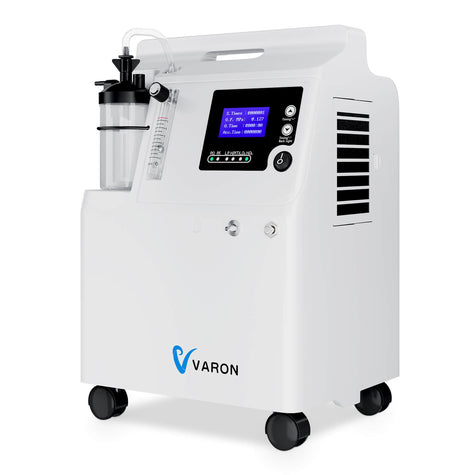
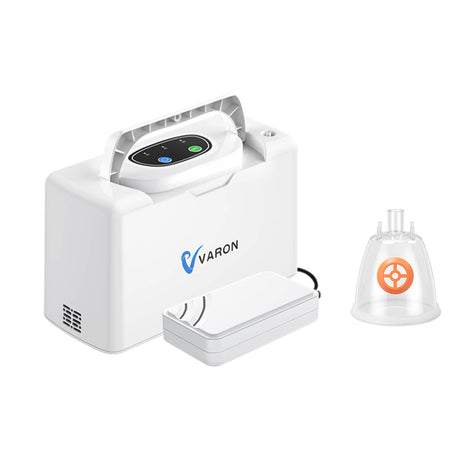
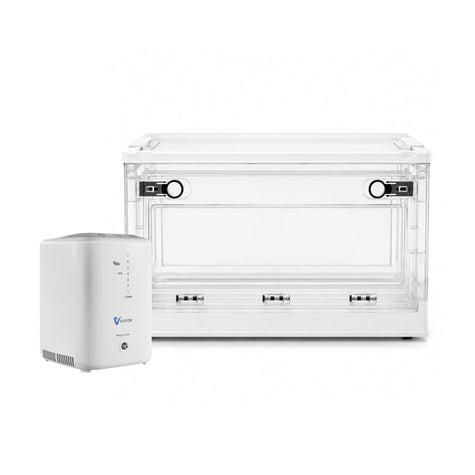
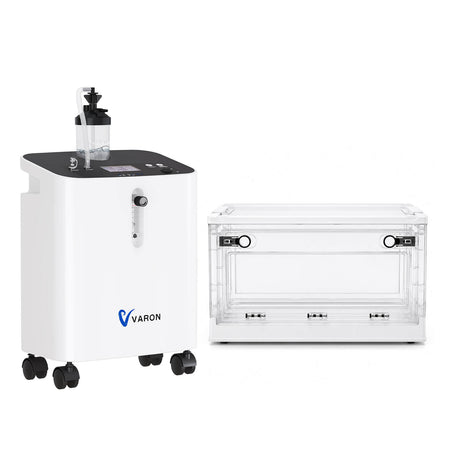
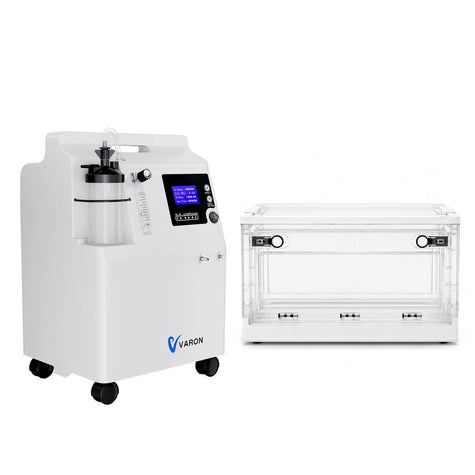
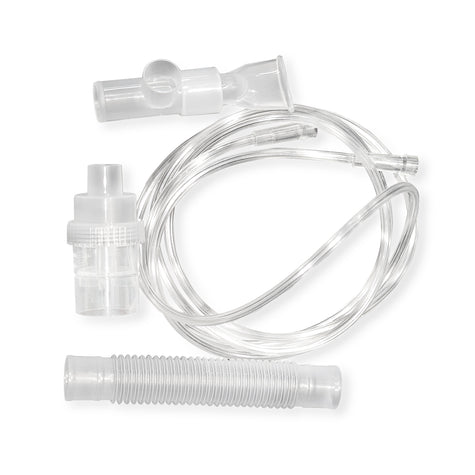
If your veterinarian recommends an oxygen concentrator for senior pets, ask whether the device’s flow, oxygen concentration, and delivery setup fit your pet’s treatment plan. The VARON VH-3 home pet oxygen concentrator offers adjustable 1–7 L/min flow and 28%–90% oxygen concentration. It weighs 4.8 kg (10.6 lb) and operates at a stated noise level of no more than 42 dB(A), which may help it fit into a quiet resting area at home. The VH-3 also has a nebulizer function, but use that feature only if your veterinarian prescribes an appropriate inhaled treatment. Your pet’s prescribed settings and method of receiving oxygen matter more than choosing a setting based on the device’s range alone.
Before buying a pet oxygen concentrator, review the exact model and its instructions with your veterinarian. Ask how oxygen will reach your pet, which supplies and maintenance are required, and what to do during a power outage. Never change a prescribed setting because your pet seems tired after a walk or appears more comfortable near the machine.
If home oxygen is prescribed
- Keep the veterinarian’s instructions for delivery, settings, and session length with the device.
- Check the supplies and know whom to call if the machine stops or power goes out.
- Record how your pet tolerates each session and report any change in breathing promptly.
Make Time for a Fall Veterinary Review

Bring your notes to a checkup and ask whether your pet’s weight, mobility, medication plan, and diet still fit their needs. Your veterinarian can decide whether blood or urine tests are useful and whether your pet needs more frequent visits. If you have noticed a change in breathing, describe when it happens rather than waiting until it becomes part of the daily routine.
Appointment checklist
- Schedule the visit if your pet is due, and bring your notes, medication list, and recent weight records.
- Ask about dental health, pain or stiffness, and any new lumps or behavior changes.
- Review vaccinations, parasite prevention, prescription refills, and whether any tests are due.
- Discuss any change to supplements or food before making it at home.
Prepare for Disruptions to the Routine
Shorter days, travel, and busy households can make a familiar routine harder to keep. Decide who will handle meals, medication, walks, or litter care when you are away. A little preparation also helps if poor weather delays a trip to the vet.
Seasonal readiness checklist
☐ Save your regular and emergency veterinary contacts where another caregiver can find them.
☐ Check that your pet’s identification details and medication supply are current.
☐ Keep a copy of medical instructions and a few days of essential supplies together, especially if your pet needs ongoing treatment.
Use the Checklist to Start Better Conversations

Fall is a useful time to check whether your pet’s bed, walking routine, water access, and veterinary follow-ups still fit their needs. Keep your senior pet wellness checklist simple enough to repeat: make the home changes first, check on familiar habits each day, and take the notes to your next appointment. Small observations can give your veterinarian a clearer picture, while timely care helps your companion enjoy the season in comfort.
Get your pet oxygen concentrator today and use code 41A7WES1JE3A at checkout for exclusive seasonal savings!
Veterinary sources
-
American Veterinary Medical Association, Senior Pets.
-
Cornell University College of Veterinary Medicine, Recognizing and Responding to Canine Respiratory Distress.
-
Cornell University College of Veterinary Medicine, Dyspnea (Difficulty Breathing) in Cats.