

There is plenty to enjoy about fall: cooler mornings, colorful leaves, and comfortable walks without the intense summer heat. However, the change in season can also introduce allergens and irritants that affect pets.
Many people associate allergies with spring, but autumn brings its own mix of pollen, mold spores, dust, and stale indoor air. Recognizing the early signs of cat and dog seasonal allergies can help you reduce your pet’s exposure and respond before the discomfort becomes more serious.
Understanding Autumn Airborne Triggers

Fall air quality changes both outdoors and inside the home. Knowing where seasonal irritants come from makes it easier to manage your pet’s exposure.
Ragweed and Late-Season Pollen
Although trees receive most of the attention during spring, weeds such as ragweed, sagebrush, and tumbleweed commonly release pollen during late summer and early fall. Wind can carry the small particles across long distances before they settle on grass, sidewalks, and outdoor furniture.
Every time your dog walks through these areas, pollen can collect on their paws, coat, and muzzle. Even pets that spend most of their time indoors may be exposed when pollen enters through open doors, windows, clothing, or shoes.
Leaf Mold and Damp Debris
A pile of fallen leaves may look harmless, but moisture trapped beneath the surface creates favorable conditions for mold. Spores from molds such as Alternaria and Cladosporium may become airborne when pets run through, sniff, or dig in damp leaves.
These spores can irritate the nose and airways of sensitive animals. Dogs that regularly explore leaf piles and outdoor cats that walk through wet garden beds may experience greater exposure, especially after several rainy days.
Removing damp leaves and keeping outdoor resting areas dry can help reduce the amount of mold around your home.
Indoor Dust and Stagnant Air
As temperatures fall, windows remain closed for longer periods and heating systems begin running again. Dust, dander, and other particles that have collected in vents or filters may then circulate through the house.
Cats often rest on rugs, upholstered furniture, or near warm air vents, which may increase their contact with indoor irritants. In sensitive animals, this can contribute to cat seasonal allergies, sneezing, watery eyes, or skin irritation.
Changing heating-system filters and cleaning vents before regular seasonal use may help limit the initial burst of dust.
Recognizing Allergy and Breathing Symptoms

Pets cannot explain that their throat feels irritated or that breathing has become uncomfortable. Instead, they show physical and behavioral changes that can be easy to overlook.
Skin and Coat Changes
Dogs commonly show environmental allergies through their skin. You may notice frequent paw licking, scratching, ear irritation, a red belly, or rubbing around the face. Clear discharge around the eyes or nose may also occur.
After an outdoor walk, check whether your dog becomes itchier than usual. A repeated pattern may help you and your veterinarian identify a seasonal trigger.
Changes in Breathing
Observe your pet while they are calm or asleep. Breathing that becomes noticeably faster, louder, or more effortful deserves attention. Other warning signs include repeated coughing, wheezing, unusual throat-clearing sounds, or extending the head and neck to breathe.
These symptoms should not automatically be blamed on allergies. Respiratory infections, asthma, heart problems, airway obstruction, and other conditions can produce similar signs. Record when the symptoms happen and contact your veterinarian for guidance.
When to Seek Emergency Care: Get immediate veterinary help if your pet uses their abdominal muscles forcefully to breathe, cannot settle comfortably, collapses, or develops pale, gray, or bluish gums. Open-mouth breathing in a cat should also be treated as an emergency.
Reducing Seasonal Irritants at Home

Once you understand the likely triggers, the next step is reducing how much pollen, mold, and dust your pet encounters.
Keep a damp cloth or pet-safe wipe near the door and gently clean your dog’s paws, legs, and coat after outdoor activities. Wash pet bedding regularly and vacuum rugs, sofas, and other areas where fur and dust collect.
A sealed HEPA vacuum can help prevent fine particles from being released back into the room. Using an air filter for pet allergies in the room where your pet spends the most time may also reduce airborne dust, pollen, and dander. Filtration cannot remove every allergen, but it can support a cleaner indoor environment.
Humidity also matters. Excess moisture encourages mold growth, while very dry air may irritate sensitive airways. Check bathrooms, basements, windows, and other damp areas for visible mold or condensation, and address water leaks promptly.
Which Pets May Need Extra Respiratory Attention During Fall?
Although any pet can react to seasonal irritants, some animals have less tolerance for changes in air quality. These pets may need closer monitoring as pollen, mold, dust, and indoor heating become more common.
Senior Pets and Animals With Reduced Respiratory Reserve
Older pets may have less respiratory reserve, meaning their lungs and heart cannot adjust as easily when breathing becomes difficult. Watch for reduced stamina, longer recovery after activity, changes in appetite, or faster breathing while resting. Age alone does not indicate a need for oxygen, but new or worsening symptoms should be discussed with a veterinarian.
Pets With Chronic Respiratory Conditions
Pets with asthma, chronic bronchitis, tracheal collapse, or existing heart and lung conditions may be more sensitive to airborne irritants. Dust, pollen, and mold can aggravate coughing or breathing discomfort in some animals. Because these symptoms may have several causes, a veterinarian should evaluate persistent coughing, wheezing, or nasal discharge instead of assuming allergies are responsible.
Flat-Faced Breeds and Breathing Challenges
Flat-faced breeds, including Bulldogs, Pugs, French Bulldogs, Persians, and Himalayan cats, naturally have narrower airways. Congestion or airway irritation may make breathing more difficult for them. Keep outdoor activities gentle, avoid smoky or moldy areas, and provide a clean, well-ventilated place to rest. Seek veterinary advice if their usual breathing sounds become louder or more labored.
Pets Already Receiving Respiratory Support
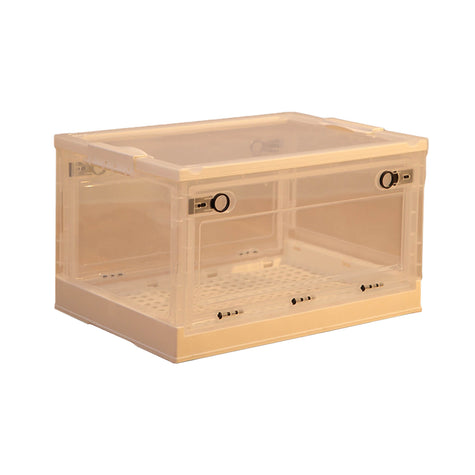
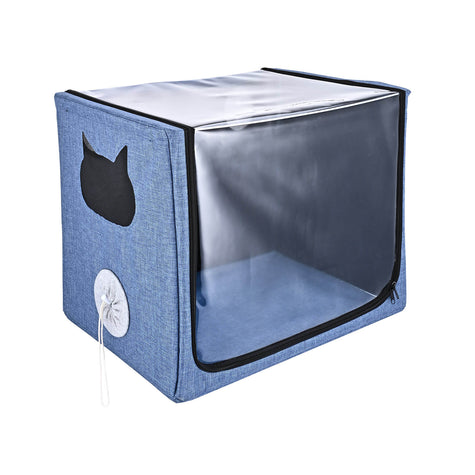
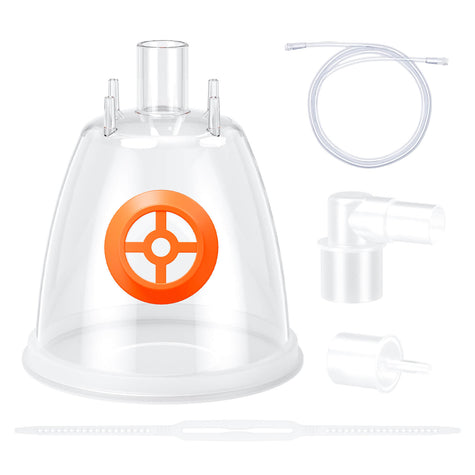
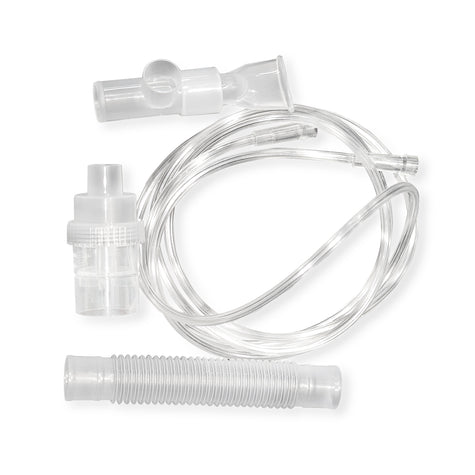
Pets already following a respiratory care plan may need extra preparation during seasonal changes. Keep prescribed medications, masks, chambers, tubing, and equipment clean and ready to use. Check filters regularly and maintain a safe backup plan for power interruptions.
Never change oxygen flow, treatment duration, or delivery equipment without veterinary approval. A veterinarian should determine whether symptoms have changed and whether the pet’s oxygen therapy needs should be reassessed.
Veterinarian-Prescribed Oxygen Support at Home

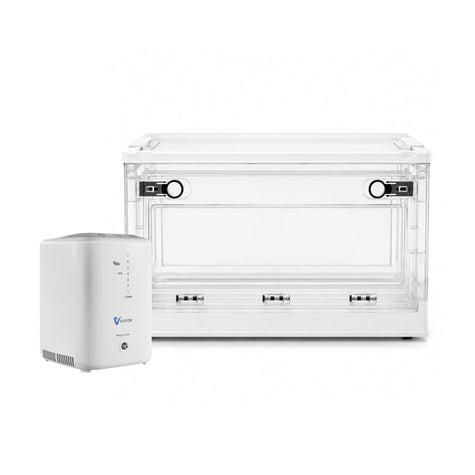
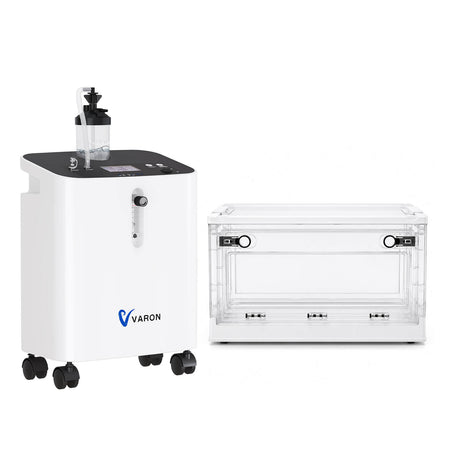
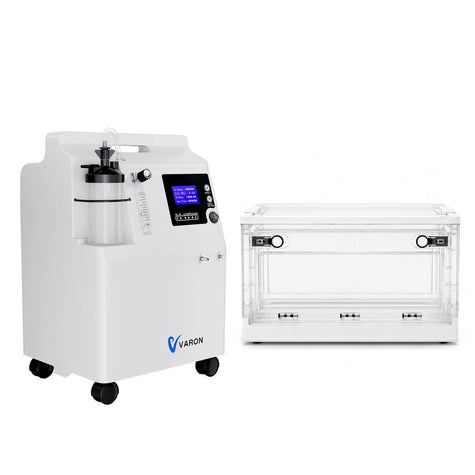
A pet oxygen concentrator may be included in a home care plan for an animal with a diagnosed condition and a veterinary prescription. It should not be used as a general treatment for allergies or as a replacement for emergency care.
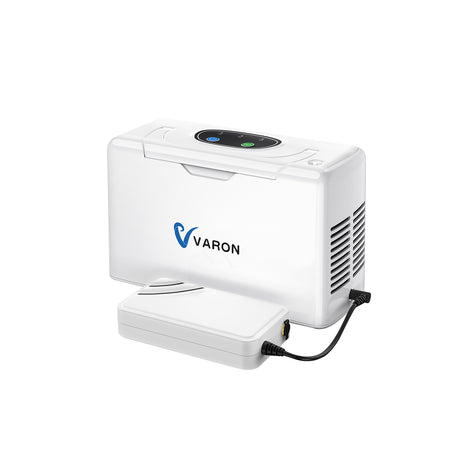
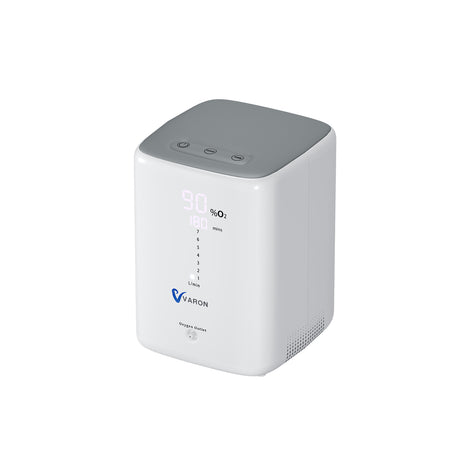
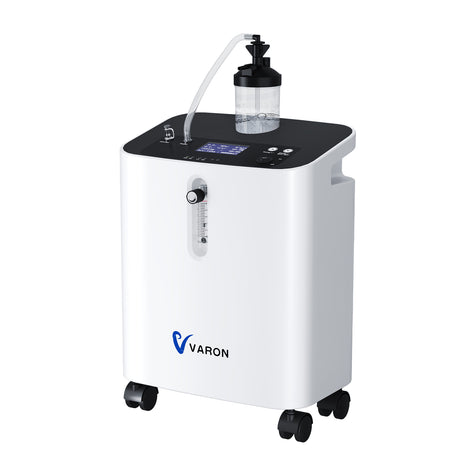
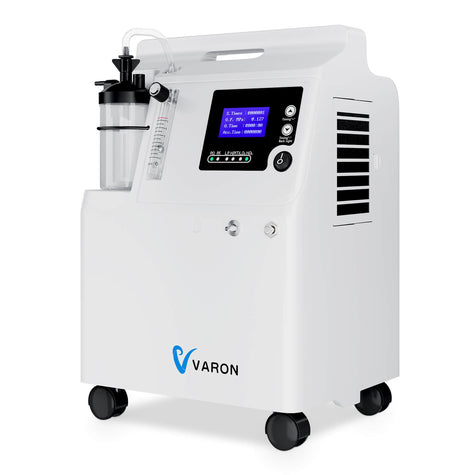
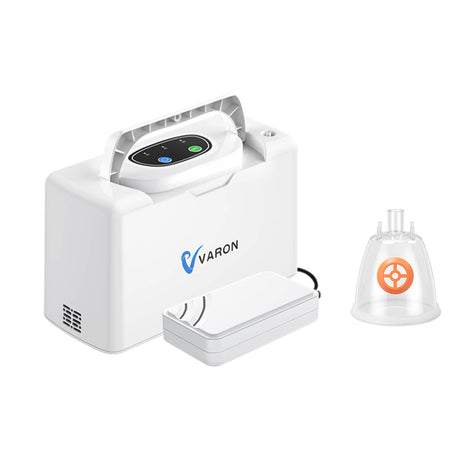
The VARON VH-3 home pet oxygen concentrator is one option for veterinarian-directed respiratory support in the home.
VARON VH-3 Home Pet Oxygen Concentrator
-
Adjustable flow: The device provides seven flow settings from 1 to 7 L/min. Its published oxygen concentration range is 28% to 90%, depending on the operating setting.
-
Quiet performance: It operates at no more than 42 dB(A), which may help reduce noise-related stress while a pet is resting.
-
Oxygen and nebulization functions: The unit includes oxygen delivery and a nebulization function with an atomization rate of at least 0.2 ml/min. Only use prescribed medication after a veterinarian confirms that it is appropriate and compatible with the equipment.
-
Suitable for different rooms: Weighing 10.58 lb or 4.8 kg, the AC-powered unit can be moved between rooms when necessary. It still requires access to a compatible electrical supply.
Using an oxygen concentrator for pets requires professional guidance. Do not change the prescribed oxygen flow, treatment duration, or delivery setup without consulting your veterinarian.
Helping Your Pet Breathe More Comfortably This Fall

Autumn can still be a comfortable and enjoyable season for pets. Cleaning paws after walks, removing damp leaves, maintaining heating filters, and watching for changes in behavior can reduce everyday exposure to seasonal irritants.
Stay alert to early symptoms of cat or dog seasonal allergies, but do not assume every cough or breathing change is allergy-related. Persistent symptoms need a veterinary evaluation, while labored breathing, abnormal gum color, collapse, or open-mouth breathing in a cat requires immediate care. With early attention, a cleaner home environment, and a veterinarian-approved care plan, you can help your pet remain comfortable throughout the changing season.
Has your veterinarian recommended home oxygen support? Explore the VARON VH-3 and other respiratory care options, and use code 41A7WES1JE3A at checkout for seasonal savings on an eligible pet oxygen concentrator.