










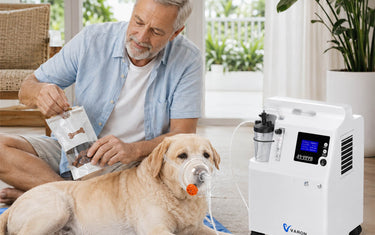
Watching a canine companion grow old is a beautiful journey filled with gentle moments and deep bonds. However, as our dogs enter their twilight years, their bodies naturally slow down, making it vital to monitor their baseline health closely. One of the most critical, yet frequently overlooked, indicators of health is their respiration. While minor changes can simply be a sign of aging, developing senior dog breathing problems can point to serious internal medical shifts that require immediate veterinary attention. Knowing what is normal and when to step in can make a profound difference in your dog's comfort and longevity.

Tracking the Baseline: Recognizing Normal vs. Abnormal Rest
Understanding your dog's typical breathing rhythm is the first line of defense. When a healthy dog is sleeping or completely relaxed, they should breathe smoothly and steadily.
-
Normal Resting Rate: A standard healthy resting respiration rate is generally between 15 and 30 breaths per minute.
-
Abnormal Patterns: If you notice your old dog breathing fast while completely at rest—consistently exceeding 30 to 40 breaths per minute—this is a clear red flag.
Fast respiration while resting can be a subtle indicator of discomfort, fever, metabolic imbalances, or early-stage cardiovascular issues. Beyond the speed, look for changes in effort. Healthy breathing should look effortless. If their chest is moving intensely, or if they appear to be using their stomach muscles to pull in air (abdominal breathing), their body is working far too hard to secure vital oxygen.

Common Causes of Respiratory Changes in Aging Canines
Aging brings a higher risk for structural and systemic changes that can impede efficient lung function. A senior dog's breathing problems diagnosis often stems from underlying conditions that develop gradually over time.
Cardiovascular Insufficiency
Congestive heart failure (CHF) is highly prevalent in older pets. When the heart muscle weakens, it fails to pump blood efficiently, causing fluid to back up into the lungs (pulmonary edema). This buildup leaves less space for oxygen absorption, causing the dog to pant or breathe rapidly to compensate.
Chronic Respiratory Conditions
Older dogs can develop chronic bronchitis, tracheal collapse, or laryngeal paralysis. These conditions narrow or weaken the airway passages, making every breath an uphill battle and leading to raspy, loud, or rapid respiration patterns.

Modern Home Care: The Role of Targeted Oxygen Therapy
When managing chronic conditions under strict veterinary guidance, optimizing the home environment becomes a primary focus. Many pet parents facing these challenges explore solutions like a home oxygen setup to support their pet's daily comfort during recovery or sensitive spells.
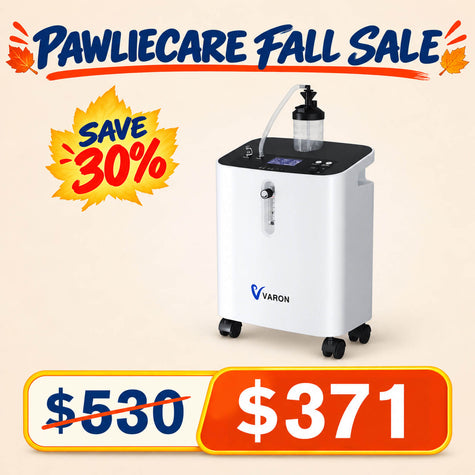
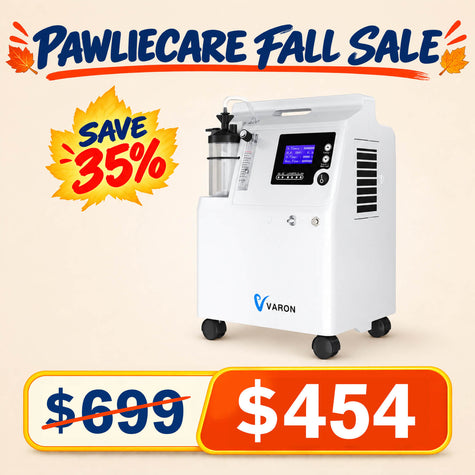
Using a dedicated oxygen concentrator for senior dog care can be highly effective because it pulls room air, filters out nitrogen, and delivers pure, concentrated oxygen directly to your pet. This avoids the logistical headache of refilling high-pressure tanks. Specialized equipment like the Pawliecare Serene 5 pet oxygen concentrator is engineered specifically for home use, providing a reliable home oxygen machine solution.
|
Feature |
Pawliecare Serene 5 Specifications & Benefits |
|
Oxygen Output |
Adjustable flow from 0.5 to 5 L/min to tailor to specific sizes and needs. |
|
Purity Level |
Maintains a consistent 93±3% oxygen concentration for reliable daily care. |
|
Acoustic Design |
Operates at a quiet level of 43dB or less, ensuring it won't startle sensitive pets. |
|
Compatibility |
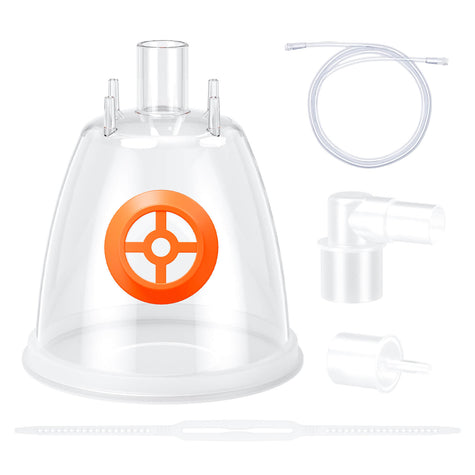
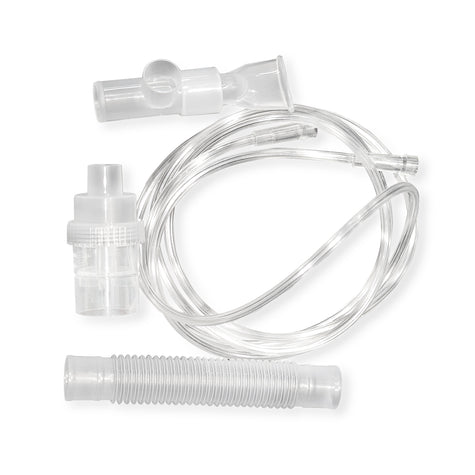
Pairs seamlessly with direct masks or enclosed 100L, M, and L oxygen chambers. |
Using an oxygen machine for senior dog care via a chamber setup is often highly preferred because it creates a calm, stress-free microenvironment. Pets who panic when a traditional mask is strapped to their face can simply sit, sleep, or rest inside a clear, enclosed chamber while receiving the stable breathing support they need.
Get your senior dog’s oxygen concentrator today—use code 41A7WES1JE3A to save!

When to Seek Immediate Veterinary Emergency Care
While a home oxygen concentrator can significantly improve the quality of life for a dog managing a chronic condition, it is a supportive tool—not a substitute for professional medical intervention. Pet parents must know how to spot an absolute respiratory emergency.
Seek immediate emergency veterinary care if you observe:
-
Gum, tongue, or inner lip colors turning pale, gray, or blue (cyanosis).
-
Foam, fluid, or blood discharging from the nose or mouth.
-
An extended neck and flared elbows, indicating an open-mouthed struggle to pull in air.
-
Sudden collapse or a complete inability to settle down and sleep due to breathing panic.

Frequently Asked Questions
1. Why is my senior dog panting so heavily when the house is cool and they haven't been exercising?
Heavy panting in a cool room usually signals pain, anxiety, or an underlying heart or lung condition that makes oxygen circulation harder.
2. How can I tell if my older dog is just slowing down or if they are actually having trouble breathing?
Slowing down means calm, easy breathing. Respiratory trouble causes visible effort, like a heavily pumping belly, flared nostrils, or an inability to lie down comfortably.
3. Is it safe for me to use a home oxygen concentrator for my dog without consulting a veterinarian first?
No. Oxygen is a medical treatment. Using incorrect flow rates or treating the wrong condition can mask severe illness or harm your pet.
4. What should I do if my senior dog panics and refuses to wear an oxygen mask during a breathing flare-up?
Never force the mask—panic worsens breathing. Switch to an enclosed oxygen chamber so your dog can rest calmly while breathing enriched air hands-free.
5. What are the earliest visual signs that my old dog might be developing a serious respiratory problem?
A faster resting breathing rate (over 30–40 breaths per minute while sleeping), a new nighttime cough, or pale gums instead of pink.

Partnering with Your Vet for Long-Term Comfort
Navigating respiratory changes requires teamwork between you and your veterinarian. Never initiate home therapy using a pet oxygen concentrator without a proper diagnosis and an explicit prescription outline. Your vet will help determine the correct flow rate (such as adjusting the liters per minute) and duration to ensure the setup remains safe and genuinely therapeutic. By staying vigilant, tracking resting breathing rates, and managing senior dog breathing problems with modern supportive care tools, you can help your companion breathe easily, stay comfortable, and enjoy their golden years to the absolute fullest.
Help your senior dog breathe easier. Shop now with code 41A7WES1JE3A to save!