









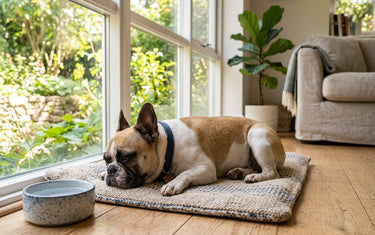
Late summer heat can turn a simple game of fetch or a short stroll into a major struggle for short-nosed dogs. Because of their shortened airways, flat-faced dogs may already have to work harder to breathe, and hot or humid weather can make that breathing effort even more difficult.
Knowing what normal short-nosed dog breathing looks like for your pet and recognizing subtle changes early are important to keeping them comfortable during hot weather. In this guide, we will break down brachycephalic dog breathing problems and simple ways to reduce breathing stress at home.
Why Short-Nosed Dogs Struggle in Late-Summer Heat

Shorter Airways Mean Harder Work
Short-nosed (brachycephalic) dogs have compact skulls. Their nasal passages and airways are squished into a much smaller space. Many have narrow nostrils or extra tissue in their throats. Because of these tight airways, breathing takes a lot more physical effort. Veterinarians call this condition Brachycephalic Obstructive Airway Syndrome.
Panting Doesn't Cool Them Down Quickly
Humans sweat to cool off, but dogs pant. Panting moves air across their tongue to release body heat.
Because brachycephalic dogs may have restricted upper airways, panting can be less effective at helping them cool down. Hot and humid summer weather makes it even harder to cool down. Exercise or excitement pushes their body to work even harder, which can quickly lead to heat stress and severe panting.
Brachycephalic Dog Breathing Problems: Signs Pet Parents Should Watch For

Noisy or More Effortful Breathing
While snorts are common for flat-faced dogs, watch out for:
-
Breathing that sounds much louder or raspier than usual.
-
Frequent snorting or grunting even while resting.
-
Heavy chest or belly movement when taking a breath.
Getting Tired More Easily
Keep an eye out for stamina shifts during daily routines:
-
Stopping earlier than usual during regular walks.
-
Needing frequent breaks during play.
-
Seeming unusually exhausted after mild activity.
Serious Warning Signs: When to Seek Immediate Veterinary Care
Some symptoms are critical red flags. Do not wait to see if your dog improves on their own. Contact an emergency veterinarian immediately if you notice:
-
Severe, frantic struggles to draw a breath.
-
Sudden collapse, fainting, or inability to stand.
-
Blue, gray, or pale gums and tongue (cyanosis).
-
Extreme confusion, disorientation, or weakness.
How to Help Your Short-Nosed Dog Breathing Freely in Late Summer

Keep Indoor Spaces Cool
Keep your home comfortable using air conditioning or fans. Ensure your dog has constant access to clean water and shade, and keep them out of warm, poorly ventilated rooms.
Rethink Outdoor Exercise
Walk your dog during the cooler early morning or late evening hours. Keep activities light, take plenty of breaks, and end the walk immediately if heavy panting starts.
Switch to a Body Harness
Avoid neck collars that press directly on the windpipe. A properly fitted body harness can reduce pressure on the neck and is generally preferred over a collar for dogs with breathing difficulties.
Maintain a Healthy Weight
Extra weight places additional burden on a dog's heart and lungs. Keeping your pet at a healthy weight eases their everyday breathing load.
Can Oxygen Support Be Part of a Home Care Routine?

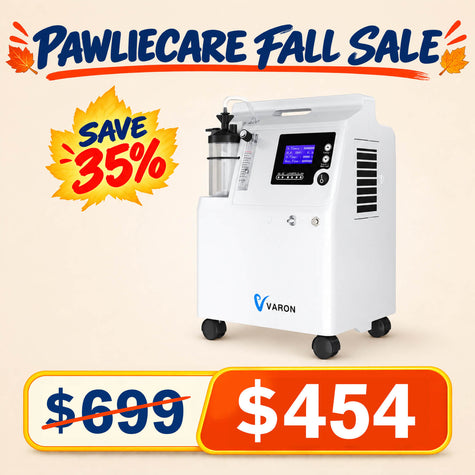
Serene 3 Pet Oxygen Concentrator & Oxygen Chamber Bundle
When supplemental oxygen is recommended by a vet, it may be used as supportive care for dogs experiencing breathing problems. Home oxygen equipment should be used according to veterinary guidance and should never delay emergency treatment.
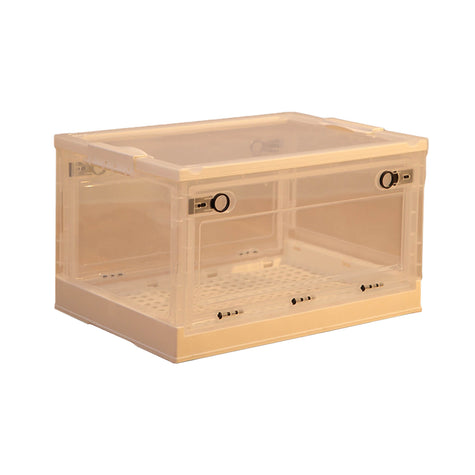
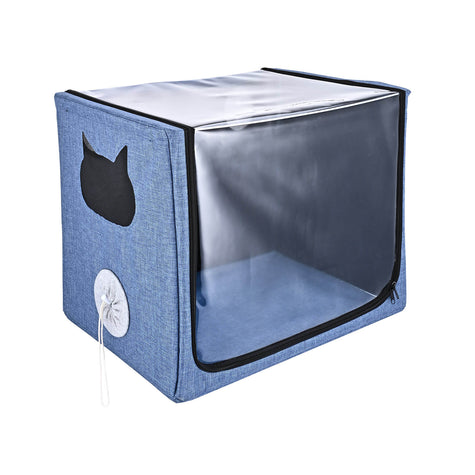
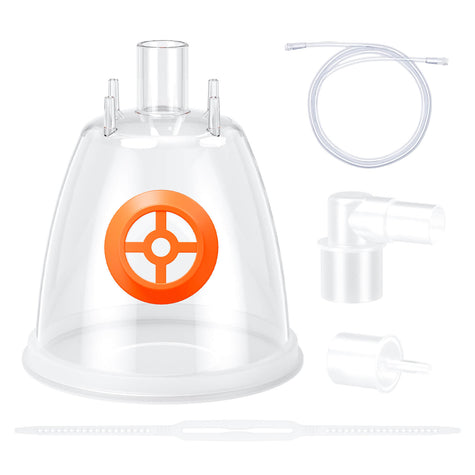
For some flat-faced dogs, an oxygen chamber for dogs may be easier to tolerate than a face mask, especially if they become anxious or struggle when something is placed over their face. An enclosed chamber provides a less restrictive space where your dog can rest without wearing equipment directly on their face.
If you are considering a home oxygen setup, choosing a concentrator and delivery accessory that work well together is important. Our Pet Oxygen Concentrator & Oxygen Chamber Bundles combine a continuous-flow concentrator with a matching chamber, making it easier to create a dedicated at-home setup or a lightweight setup for vet visits.
Safety is especially important when using an enclosed chamber in warm weather. Enclosed spaces can allow heat and humidity to build up, which may be risky for a dog already struggling to regulate body temperature. Keep the chamber in a cool room, monitor the temperature inside, and follow the manufacturer's instructions for ventilation and cooling.
A Simple Late-Summer Checklist for Short-Nosed Dog Parents
-
Keep indoor areas air-conditioned and cool.
-
Provide fresh, clean drinking water at all times.
-
Limit walks to early morning or late evening hours.
-
Walk with a chest harness instead of a neck collar.
-
Monitor changes in breathing volume and stamina.
-
Keep emergency vet contact numbers easily accessible.
Taking care of a short-nosed dog in late summer comes down to small, everyday choices. Keeping your home cool, walking during chilly hours, and listening closely to your pet's breathing can make a world of difference.
Every dog is unique, when in doubt, always reach out to your vet for advice. Keep your sweet companion breathing easy all summer long!