



Recent wildfire activity across North America has once again brought attention to the health effects of wildfire smoke. As smoke travels hundreds of miles and affects air quality far beyond active fire zones, many pet parents are wondering how to manage the wildfire smoke and pets, protecting their dogs and cats from breathing smoky air.
This guide breaks down how wildfire smoke impacts your pet’s respiratory system, the early warning signs of smoke exposure, simple steps to keep your home air clean, and when to seek veterinarian support.
How Does Wildfire Smoke Affect Dogs and Cats?
Wildfire smoke is a complex mix of gases and microscopic fine particles (PM2.5) created when wood, vegetation, and building materials burn. When pets breathe in these tiny airborne particles, they penetrate deep into their airways, causing localized inflammation and irritation.
Smoke Particles Can Irritate Your Pet's Airways
Just like humans, pets exposed to hazy air may experience dry, irritated nasal passages, watery eyes, and throat inflammation. Fine particle pollution makes the respiratory system work harder to clear out debris, leading to temporary coughing, sneezing, or mild fatigue after spending time outdoors.
Some Pets May Be More Sensitive to Poor Air Quality
While smoke can affect any animal, certain pets are naturally more sensitive to poor air quality:
-
Senior Dogs and Cats: Aging pets may have less respiratory reserve and can be more sensitive to airborne irritants.
-
Puppies and Kittens: Developing lung tissues are more delicate and easily irritated.
-
Pets with Existing Heart or Lung Conditions: Animals with chronic bronchitis, asthma, or other existing heart or respiratory conditions require extra care when AQI levels become unhealthy.
-
Brachycephalic (Flat-Faced) Breeds: Pugs, Bulldogs, French Bulldogs, and Persian cats already have narrower airways, making efficient breathing more challenging in smoky conditions.

Signs of Smoke Inhalation in Dogs and Cats to Watch For
Recognizing early warning signs of smoke inhalation in dogs and cats allows you to take immediate action to bring your pet indoors, improve ventilation, or contact your vet before minor irritation turns into severe distress.
Breathing-Related Warning Signs
Pay close attention to changes in your pet’s breathing rhythm, especially after they return from a quick potty break outside.
In Dogs:
-
Persistent coughing or gagging
-
Unusually rapid, shallow chest movements
-
Excessive or heavy panting while resting in a cool room
-
Open-mouth breathing when not exercising
In Cats:
-
Open-mouth breathing or panting (cats rarely pant unless in distress)
-
Noticeable abdominal effort while breathing (heaving sides)
-
Crouching low with an extended neck to open up airways
-
Seeking hidden spots under beds or in closets due to discomfort
Eye and Behavior Changes
Respiratory signs are often accompanied by subtle physical and behavioral reactions:
-
Eye Irritation: Redness, watery tearing, or squinting.
-
Nasal Discharge: Clear or cloudy discharge from the nose.
-
Lethargy and Reduced Activity: Refusing to play, skipping meals, or resting much more than usual.
-
Unusual Restlessness: Inability to settle down comfortably due to airway tightness

When Should You Contact a Veterinarian?
If your pet exhibits persistent coughing, severe weakness, pale or bluish gums, or obvious struggle while breathing, contact your veterinarian or an emergency animal clinic immediately. Home comfort measures are meant for preventive care and mild support—they should never delay professional medical evaluation during an acute crisis.
How to Keep Dogs and Cats Safe During Wildfire Smoke Events
Proactive prevention is the best way to manage wildfire smoke and pets during fire season.
Check Air Quality Before Outdoor Activities
Before opening the door for morning walks or playtime, check your local Air Quality Index (AQI). When AQI levels enter the "Unhealthy for Sensitive Groups" or "Unhealthy" ranges, keep outdoor visits as short as possible. Limit outside trips strictly to quick bathroom breaks, skipping long neighborhood walks or intense fetch sessions until air clarity improves.
(Tips: You can find AQI information from resources like the AirNow website, weather apps, or local air quality alerts)
Create a Cleaner Indoor Space
Transforming your home into a safe haven keeps smoky air outside where it belongs:
-
Keep windows and doors tightly closed during peak smoke hours.
-
Run high-efficiency HVAC air filters or standalone HEPA air purifiers in the rooms where your pet spends the most time.
-
Set air conditioning units to "recirculate" so outdoor smoke isn't pulled inside.
Keep Pets Comfortable and Hydrated
Ensure fresh water bowls are easily accessible throughout the house. Staying hydrated helps support normal respiratory function and keeps your pet’s nasal passages more comfortable during smoky conditions. Keep indoor games low-impact to keep heart and breathing rates steady.
Can Oxygen Support Help Pets During Wildfire Smoke Season?

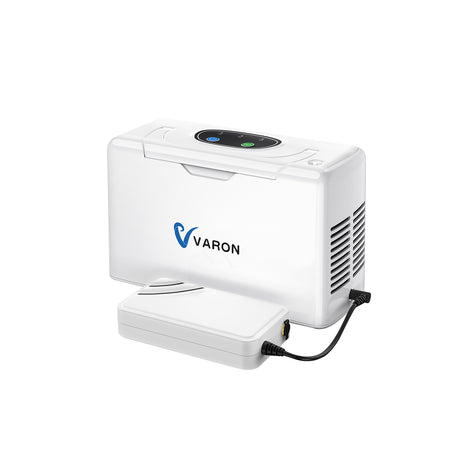
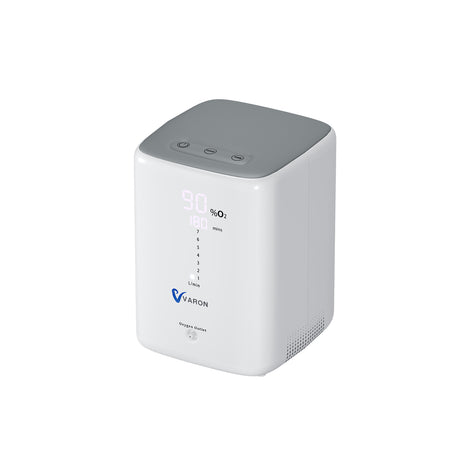
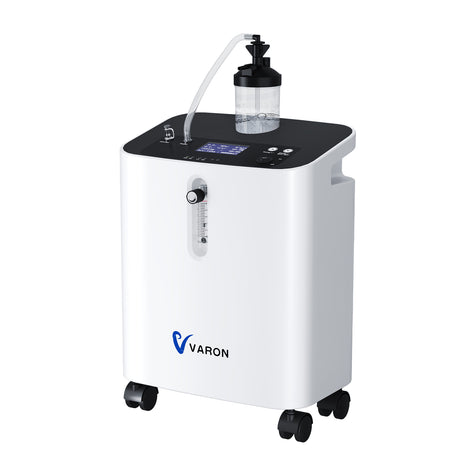
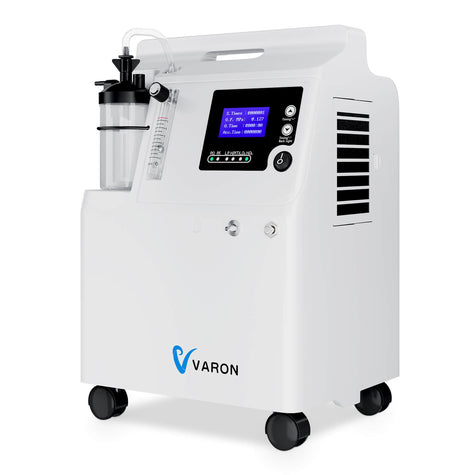
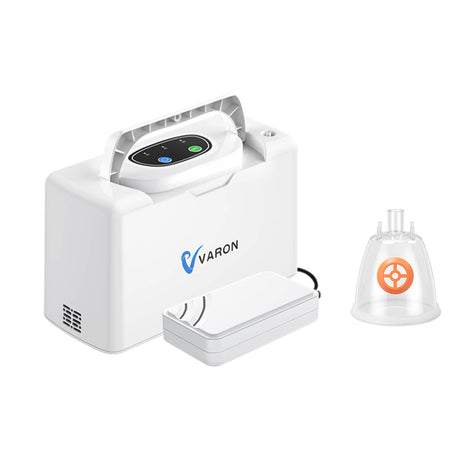
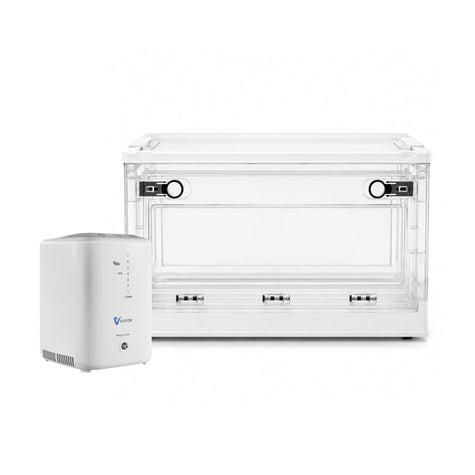
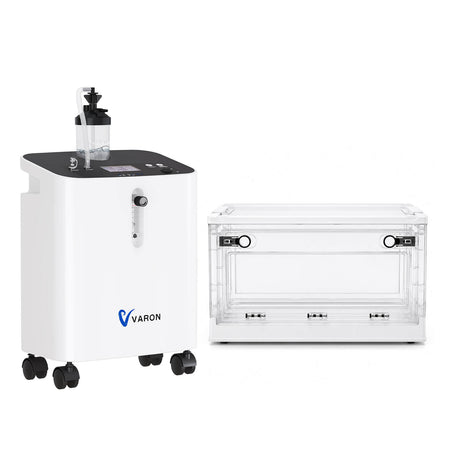
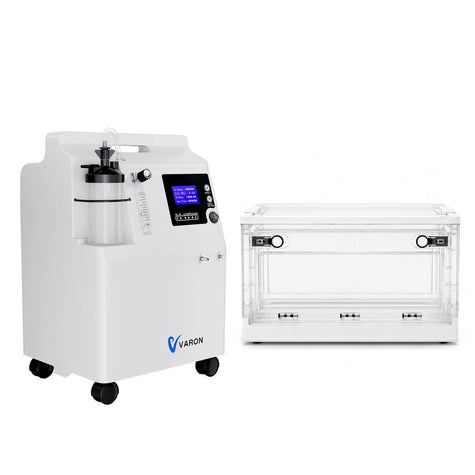
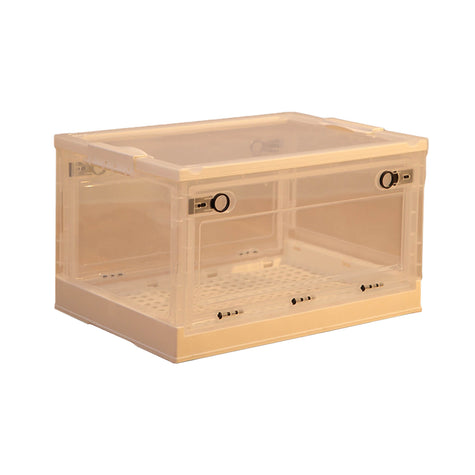
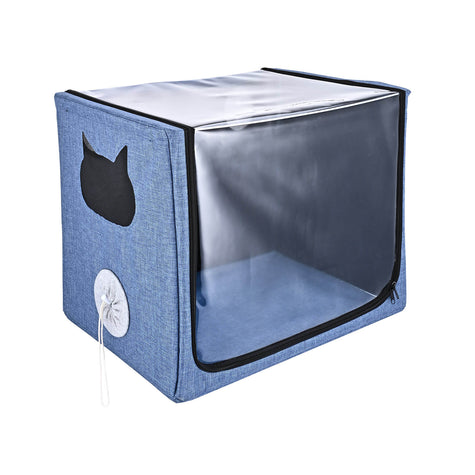
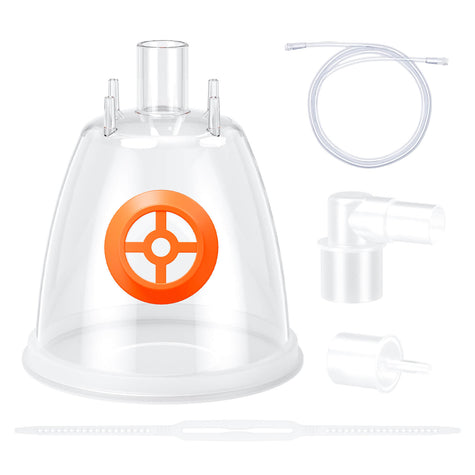
During times of poor outdoor air quality, creating a dedicated home wellness space offers extra peace of mind. For pet parents managing wildfire smoke and pets at home, owning a pet oxygen concentrator and a comfortable pet oxygen chamber can provide gentle oxygen support as a relaxing addition to a pet's daily indoor routine. For senior dogs, brachycephalic breeds, or pets that are sensitive to poor air quality, an oxygen chamber can provide a calming indoor environment after brief outdoor exposure.
It is important to remember that home oxygen equipment is designed for supportive daily wellness and comfort, it cannot replace emergency medical treatment for acute smoke inhalation.
Preparing a Pet Emergency Plan for Wildfire Season
Being prepared ahead of time ensures you can act quickly and calmly if smoke levels worsen or local authorities issue evacuation warnings.
Prepare a Pet Evacuation Kit
Keep a dedicated pet go-bag stored alongside your family emergency supplies. Include:
-
A 3-to-5-day supply of regular pet food and bottled water
-
Necessary daily medications and medical records
-
Extra collars, leashes, and ID tags
-
A cozy blanket or familiar toy to reduce travel anxiety
-
A sturdy, well-ventilated pet carrier
Know Where Your Pet Can Go During an Evacuation
Not all emergency public shelters can accept pets due to health regulations. Research pet-friendly hotels, temporary boarding facilities, or friends and relatives living outside the immediate smoke zone ahead of time so you know exactly where your furry family members will stay safe.
FAQs
Can wildfire smoke affect dogs and cats?
Yes. Dogs and cats breathe the same air we do, and fine particulate matter in wildfire smoke can irritate their eyes, nasal passages, and lungs, leading to coughing, watery eyes, and fatigue.
What are the signs of smoke inhalation in dogs and cats?
Key signs include persistent coughing, rapid or heavy breathing, open-mouth breathing (especially in cats), eye redness/tearing, lethargy, reduced appetite, and unusual restlessness.
Should I take my dog outside when there is wildfire smoke?
When outdoor air quality is poor or AQI levels are high, outdoor activity should be kept to a minimum. Take your dog outside only for quick bathroom breaks and avoid strenuous exercise until conditions improve.
Can pets stay inside safely during wildfire season?
In most cases, keeping pets indoors is the best way to reduce exposure to wildfire smoke. Keep windows and doors closed, use air filtration if available, and limit outdoor activities when air quality is poor. Always monitor local AQI updates and adjust your pet care routine as conditions change.
Can a pet oxygen chamber help with wildfire smoke exposure?
A pet oxygen chamber may provide supportive comfort at home, but it cannot remove smoke particles from the lungs or replace veterinary treatment for serious smoke inhalation.
Conclusion
During wildfire season, understanding the relationship between exposure of wildfire smoke and pets breathing health and creating a comfortable indoor space are both important steps in keeping your furry companions safe. Explore our pet oxygen chambers and oxygen concentrator solutions to build a dedicated at-home comfort area for your pets.